A familiar scene in every pharmacy: fish oil supplements are sold non-stop. They are considered the safest and most recommended anti-aging supplement for brain health. Dietitians recommend them, doctors approve them, and longevity podcasts present them as an essential element. The only question is 'which brand?', not 'should I take them at all?'.
But the highest quality evidence presents an uncomfortable picture: in healthy older adults, omega-3 supplements do not slow brain aging. They do not improve memory, do not significantly reduce the risk of dementia, and do not change the rate of cognitive decline. The largest randomized trial to directly test this, the cognition arm of the VITAL study, found a null result.
The main message is simple: If you are a healthy older adult eating a reasonable diet, there is currently no strong evidence that a fish oil capsule will protect your brain. If that sounds troubling, it should.
Why We Thought Omega-3 Would Work
The biochemical reason for the expectation was solid:
- The brain is about 60% fat (by dry weight), and DHA (a long-chain omega-3 fatty acid) makes up about 10 to 15 percent of the brain's fatty acids, concentrated especially in neural membranes and synapses.
- DHA is essential for neural membranes. It contributes to membrane fluidity and synaptic function, so the working assumption was that more DHA would support better neural function.
- Omega-3 has anti-inflammatory activity. Chronic neuroinflammation is considered one of the factors in cognitive aging.
- Populations that eat a lot of fish (Japan, Korea) showed lower rates of dementia in observational epidemiological studies.
The expectation was clear: if you give older adults DHA-rich omega-3 supplements, they will age more slowly in their brains. The problem is that a randomized controlled trial, the tool that tests causality and not just correlation, did not confirm this expectation.
The New Evidence
The VITAL Study and Its Cognition Arm (VITAL-Cog)
The VITAL study (Vitamin D and Omega-3 Trial) was a large randomized controlled trial that included a total of 25,871 American adults, who received omega-3 or placebo over several years of follow-up. Its primary endpoints were cancer and cardiovascular disease, not cognition.
The brain question was examined by a dedicated cognitive sub-study, VITAL-Cog (Kang et al., Alzheimer's & Dementia 2022): about 3,500 participants aged 60 and older who underwent repeated cognitive tests over approximately two to three years. The result: no significant difference between the omega-3 and placebo groups in the rate of cognitive change. The average difference in the annual rate of cognitive change was only about 0.01 standard units, practically zero.
Meta-Analyses and Additional Longitudinal Studies
VITAL-Cog is not alone. Systematic reviews and meta-analyses examining omega-3 supplements and cognition in healthy older adults reached the same general conclusion: the effect size on cognition is tiny and in most analyses is not significant or clinically meaningful. Whether testing verbal memory, processing speed, or executive function, the benefit of the supplement in healthy older adults tends to zero out.
Explaining the Observational Link
If observational studies show a link between fish consumption and less dementia, but randomized trials of supplements show zero, what explains the gap? It is likely that the observational link is influenced by confounding factors: those who eat fish regularly tend to have a better overall diet, more physical activity, and better socioeconomic status and vascular health. When isolating 'fish' or 'omega-3' alone in a controlled trial, the effect weakens dramatically.
Why Do Fish Provide Different Results Than Supplements?
If an omega-3 supplement doesn't work well, how do fish eaters benefit? Two main explanations:
- Fish eaters eat less red meat. They replace saturated meat with lean, high-quality protein, which lowers cardiovascular risk, and through that, also the risk of vascular dementia.
- Fish contain much more than just omega-3. They are a source of protein, vitamin D, selenium, and iodine. It is the overall nutritional package that has an effect, not a single omega-3 molecule in a capsule.
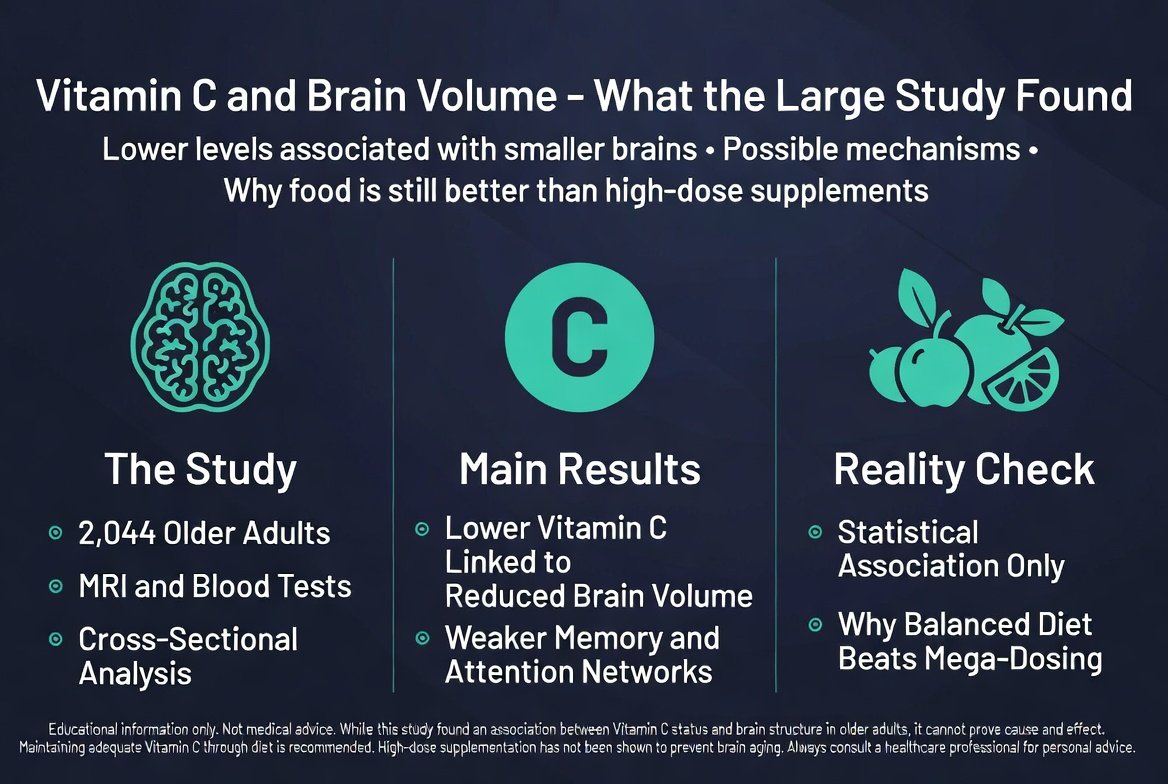
This is a well-known phenomenon in nutrition: a supplement is never equivalent to whole food. Just as a vitamin C supplement does not replace an orange, an omega-3 supplement does not replace salmon.
Does This Mean Omega-3 Is Completely Useless?
No. The picture is less grim in several scenarios, and this is where the important nuance lies:
1. In Older Adults with Very Low Omega-3 Levels
If a blood test shows a low Omega-3 Index, supplementation can indeed raise the level to a range associated with better health outcomes. That is, the clearest benefit is correcting a genuine deficiency, not adding to someone who is already at a normal level.
2. For Preventing Recurrent Cardiac Events in Heart Patients
The REDUCE-IT study showed that a high dose of pure EPA (icosapent ethyl, brand name Vascepa) reduced the primary composite endpoint of cardiovascular events by about 25% in statin-treated patients with heart disease and high triglycerides. Important: this is a prescription drug at a dose of 4 grams per day, not a regular 1-gram supplement from the shelf, and the context is heart health, not brain health.
3. For Eye and Skin Health
DHA is consumed in large amounts in the retina. Omega-3 supplements have been studied for helping with dry eyes and certain skin conditions. These are separate effects from brain health.
4. In Pregnant Women
DHA during pregnancy is important for the development of the fetal nervous system. This is the context where adequate omega-3 intake is accepted and recommended.
What Does Help Brain Health?
- Regular aerobic physical activity. Official recommendations are about 150 minutes per week (roughly 20 minutes a day) of moderate-intensity activity. Large observational studies link physical activity with a significant reduction in dementia risk, although the causal link has not yet been fully proven in randomized trials.
- Quality sleep, 7-9 hours. The glymphatic system clears waste products from the brain primarily during deep sleep.
- The MIND diet (a combination of Mediterranean and DASH for brain health): leafy greens, berries, nuts, olive oil, and whole fish, not a supplement.
- Learning and cognitive engagement. A new language, a musical instrument, solving puzzles. Building cognitive reserve.
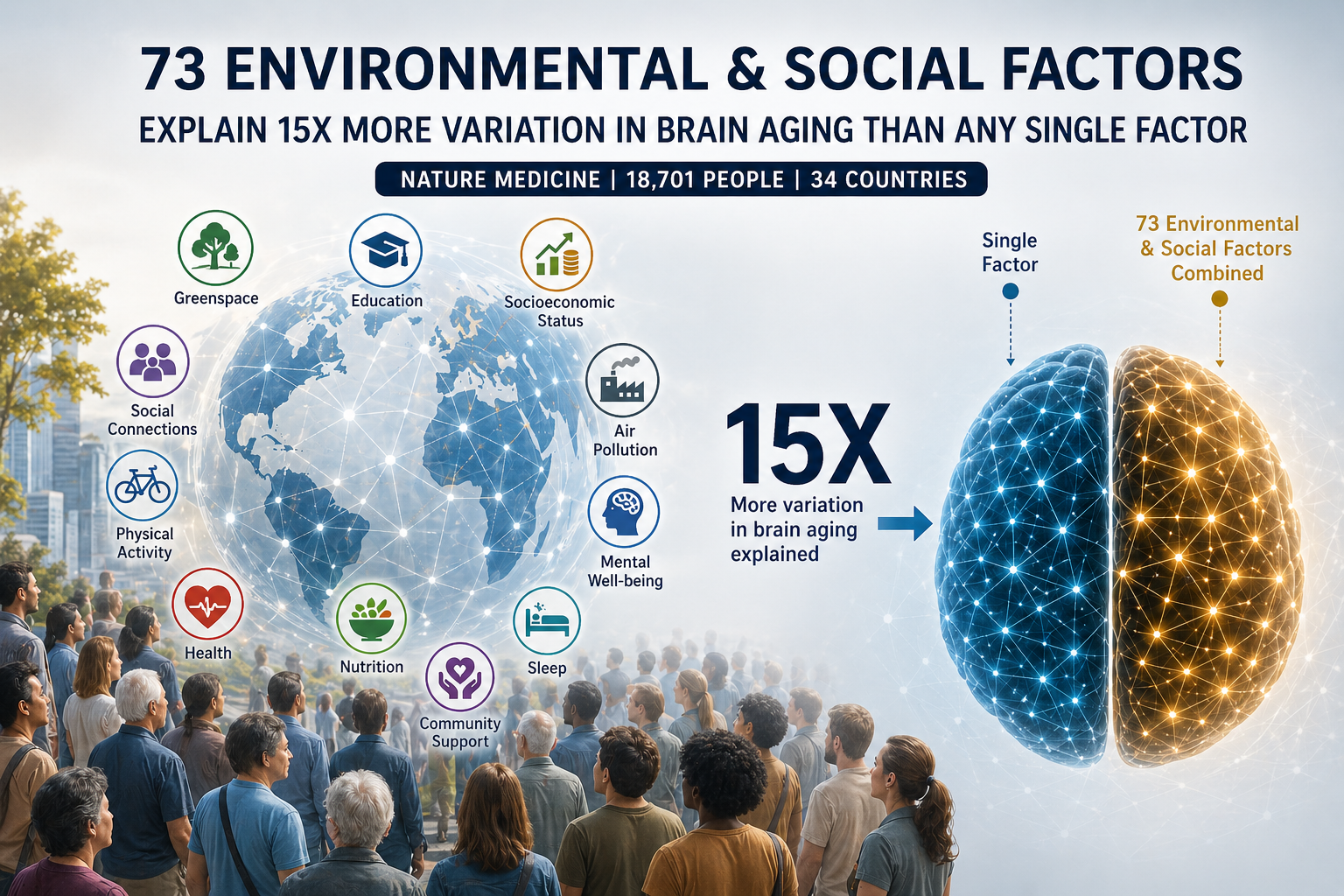
- Social connections. Social isolation and loneliness have been linked to an increased risk of dementia (about 25 to 30 percent in observational studies).
- Control of blood pressure and blood sugar. Vascular health equals brain health. Medications like statins and metformin are also being studied in the context of brain aging, but without a definitive answer yet.
The Broader Perspective
The fish oil story is a warning sign in the anti-aging field: a plausible biochemical connection is not a guarantee of a clinical effect. Just because our brain is partly made of fat and contains DHA does not mean that taking a DHA supplement will help, just as eating gold will not make us stronger, even though gold is present in the body's chemistry.
The broader lesson: Every time someone offers the next anti-aging supplement, the right questions are: 'What randomized controlled trial on healthy humans, at what dose, for what duration, with what clinical outcome?'. If the answers are 'none', 'theoretical', 'in mice', or 'at an unknown dose', it is a marketing story, not scientific evidence.
And this does not mean you shouldn't eat fish. Eat them, three times a week. They are excellent food. But don't take the capsule thinking it replaces the fish, or that it is 'enough' to protect your brain. It is not.
References:
Kang JH et al., Marine n-3 fatty acids and cognitive change among older adults in the VITAL randomized trial, Alzheimer's & Dementia: TRCI, 2022 (DOI: 10.1002/trc2.12288)
Bhatt DL et al., Cardiovascular Risk Reduction with Icosapent Ethyl for Hypertriglyceridemia (REDUCE-IT), NEJM 2019

💬 Comments (0)
Be the first to comment on the article.