In a groundbreaking new study, the researchers examined the potential of "chemical reprogramming" – using chemical compounds to return aged cells to a younger state.
Methods:
The research focused on the role of loss of epigenetic information (changes not related to the DNA sequence itself) in cellular aging. The researchers developed two new methods for examining the age of cells:
- Transcription-based aging clock: This method measures the expression levels of specific genes associated with aging.
- Nucleocytoplasmic test (NCC): This test tests the compartmentalization of materials between the cell nucleus (nucleus) and the cytoplasm, a process that goes wrong with age.
Findings:
Using the two new methods, the researchers were able to identify six different chemical cocktails that can reverse the cellular aging process.
These cocktails caused old cells to return to expressing genes related to normal function and growth, and display characteristics of young cells.
Implications:
This discovery may lead to the development of new and exciting treatments for a variety of age-related diseases.
A significant advantage of this approach is that it does not require genetic modification of the cells, which reduces the risks and side effects.
Yamanaka cocktail technique:
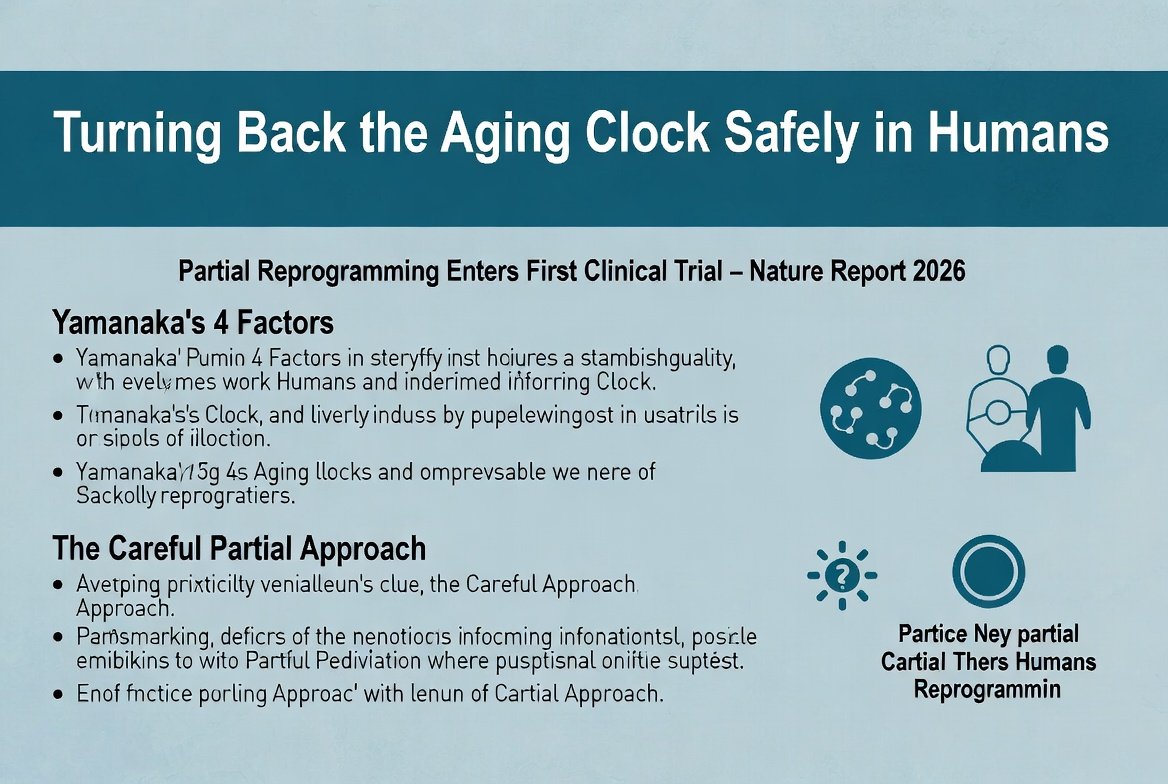
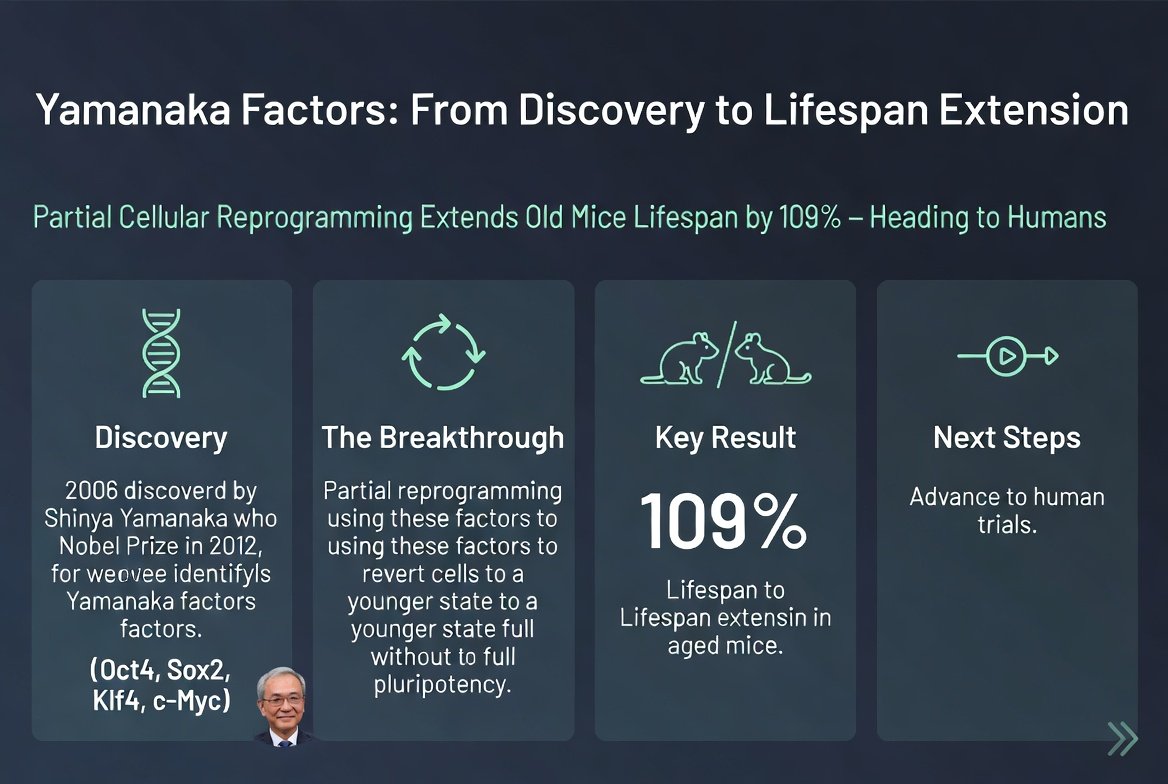
The Yamanaka cocktail technique, also known as the Yamanaka factors, was developed by Professor Shinya Yamanaka in 2006. The technique is based on four transcription factors (Oct4, Sox2, Klf4 and c-Myc) that can transform skin-like cells (fibroblasts) into pluripotent embryonic stem cells. These cells have the potential to become any type of cell in the body.
The relationship between the Yamanaka cocktail technique and the current research:
The current study uses an approach similar to that of the Yamanaka cocktail technique, but instead of using transcription factors, chemical cocktails are used. These cocktails affect different pathways within the cell, causing it to return to a younger state.
Challenges and risks:
However, these approaches are not without challenges and risks.
One of the main challenges is that Yamanaka factors and chemical cocktails can cause unwanted genetic changes, which may lead to cancer.
In addition, these techniques are still not effective enough in humans, and more research is needed in order to develop safe and effective treatments.
The full study:
💬 Comments (0)
Be the first to comment on the article.