Almost all of us know this. We wake up in the morning feeling like we haven't slept, drag ourselves through the day on one cup of coffee after another, and around three in the afternoon, the big crash hits. The feeling of chronic fatigue has almost become the norm, and most of us try to solve it the same way: more caffeine, more sugar, more energy drinks. The problem is that all of these are loans, not solutions. They postpone the crash by an hour, and then charge interest.
The good news is that in most cases, daily fatigue is not a sign of illness but a result of habits that can be changed. Short or poor-quality sleep, meals that create a blood sugar roller coaster, prolonged sitting, dehydration, and sometimes a common nutritional deficiency that hasn't been diagnosed. In this guide, we will go step by step through what really generates energy throughout the day, what drains it, and when it's time to stop guessing and get a blood test.
Why Does Energy Crash? Four Main Suspects
Before fixing, it's worth understanding where the crash comes from. On most days, behind the feeling of fatigue lies one of four factors, and usually a combination of them:
- Insufficient or poor-quality sleep: Not just how many hours you slept, but also how continuous and deep the sleep was. Poor sleep disrupts the entire system throughout the day.
- Unstable blood sugar: A meal high in simple carbohydrates raises sugar quickly, then drops it, and that's exactly the crash felt in the afternoon.
- Sedentary lifestyle: The less you move, the less active the mitochondria (the cell's energy factories) are. Paradoxically, lack of movement produces more fatigue, not less.
- Undiagnosed nutritional deficiency: Low iron, B12, vitamin D, or an underactive thyroid can cause persistent fatigue even in people who look perfectly healthy.
Note that none of these four is 'low caffeine'. Coffee does not fix any of these problems, it only temporarily masks them. Let's see what actually works.
Nine Practical Ways to Boost Energy Naturally
The order here is not random. It is built by impact: the foundations (sleep, light, meals) first, and only then the fine-tuning. If you implement just the first three, you will already feel a difference.
1. Sleep First, and That Includes Quality
No supplement, drink, or trick can compensate for poor sleep. Sleep is the foundation of all energy. Aim for 7 to 9 hours, but equally important is maintaining consistency: going to bed and waking up at roughly the same time even on weekends. A dark, cool (around 18-20 degrees Celsius), and quiet room, and stopping screen use about half an hour before sleep, dramatically improve the quality of deep sleep, the stage where the body truly recovers.
2. Morning Light Within the First Hour
One of the most powerful tools, and the most free. Exposure to natural light in the morning, even 10 to 20 minutes outside, synchronizes the biological clock, lowers the sleep hormone melatonin, and sharpens alertness. Early morning light also helps you fall asleep better that same night, so the morning affects both the energy of the day and the next sleep. Take your coffee outside instead of drinking it in front of the screen.
3. Balanced Meals: Protein and Fiber Against Sugar Crashes
A breakfast of sugary cereals or just white bread is a recipe for a crash within two hours. The secret is to combine protein, healthy fat, and fiber in every meal. Egg, yogurt, legumes, nuts, vegetables. This combination slows down sugar absorption, flattens the curve, and prevents the sharp drop felt later. Stable energy comes from stable blood sugar, not from high sugar.
4. Drink Water, Dehydration Masquerades as Fatigue
Even mild dehydration, of one to two percent of body weight, impairs concentration and alertness and produces a feeling of fatigue and a mild headache. Many people who feel 'wiped out' in the afternoon simply haven't drunk enough. A glass of water before the coffee, and a bottle on the desk throughout the day, solves this without any effort.
5. Movement Snacks: Short Walks Throughout the Day
You don't need a one-hour workout. A 5 to 10 minute walk after a meal, or every hour or two of sitting, immediately raises alertness and helps balance blood sugar. These are 'movement snacks', and they are one of the most underutilized tools against the afternoon crash. Taking the stairs instead of the elevator also counts.
6. Regular Physical Activity, Even When Tired
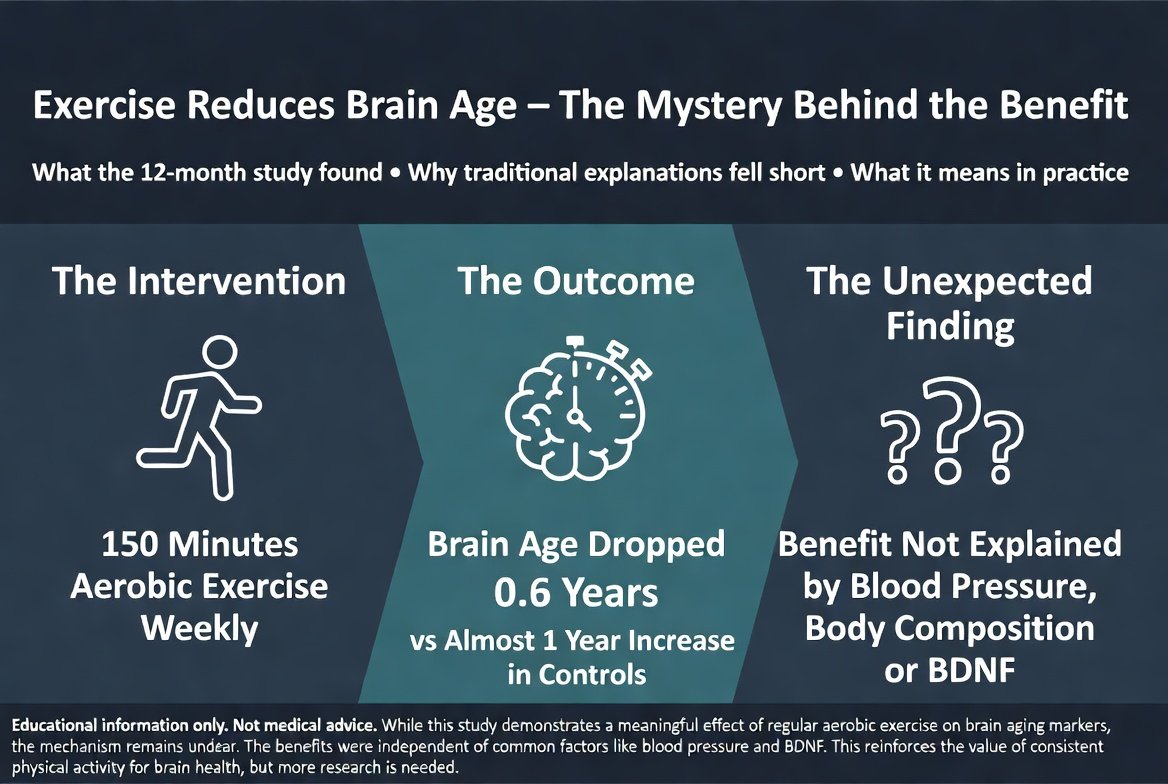
This sounds counterintuitive, but regular physical activity is one of the most effective ways to reduce fatigue and increase energy, even in people who start from a feeling of exhaustion. The body learns to produce energy more efficiently. Don't wait until you have the strength; movement is what generates the strength.
7. Manage Caffeine, Don't Be Dependent on It
Caffeine is a good tool when used correctly. Two simple rules: Avoid coffee after about 2:00 PM (caffeine stays in the system for 6 to 8 hours and impairs sleep that night, perpetuating tomorrow's fatigue), and avoid the first cup of coffee immediately upon waking; give the body an hour to wake up on its own. If you need caffeine just to function, it's a sign that one of the other foundations is broken, usually sleep.
8. Breathing and Stress Reduction
Chronic stress drains enormous energy. When the body is in a constant state of alert, it burns resources and makes sleep difficult. A simple breathing practice, for example, exhaling twice as long as inhaling, for a few minutes, calms the nervous system and restores a feeling of freshness. Several short breathing breaks a day are better than one big effort.
9. Check for Common Deficiencies When Fatigue is Stubborn
If you have done all of the above and fatigue persists for weeks, it's time for a blood test. Deficiencies in iron, B12, vitamin D, and an underactive thyroid are common and sometimes hidden causes of chronic fatigue. The good news: they are easily diagnosed and treated. We will elaborate on this later.
The Evidence: What Research Actually Shows
Study 1: Low Iron Causes Fatigue Even Without Anemia (Vaucher, 2012)
One of the most important findings regarding fatigue. A randomized controlled trial published in the medical journal CMAJ examined 198 women of reproductive age who reported unexplained fatigue and had low iron stores but no anemia. After 12 weeks of iron supplementation, the iron group reported a 47.7% reduction in fatigue, compared to 28.8% in the placebo group, a significant difference. The conclusion: you can be tired from low iron even when your blood count is completely normal. Therefore, it's important to check ferritin (iron stores), not just hemoglobin.
Study 2: Physical Activity Increases Energy and Reduces Fatigue (Puetz, 2006)
A systematic review and meta-analysis published in Psychological Bulletin analyzed about 70 experimental studies that examined the effect of regular exercise on feelings of energy and fatigue. The finding was consistent: regular exercise significantly improved feelings of alertness and energy and reduced fatigue, with a moderate but consistent effect size across studies. This is the research backing behind the rule 'move to feel more awake'.
Study 3: Vitamin D and Perceived Fatigue
A double-blind, placebo-controlled trial that examined vitamin D supplementation in healthy people suffering from fatigue found a significant improvement in the feeling of fatigue in the group that received vitamin D compared to placebo. It's important to understand the context: the benefit is prominent mainly when there is a real deficiency in vitamin D. Supplementing in a person with normal levels won't work wonders, but correcting a real deficiency can change the picture.
Study 4: B12 and Fatigue
Vitamin B12 deficiency is a known cause of fatigue, and in clinical studies, fatigue is one of the most common symptoms among those suffering from a deficiency. Here the nuance is similar to vitamin D: supplementing B12 helps mainly when there is a real deficiency. Therefore, the correct approach is not 'take B12 just in case' but test, and correct if needed. People at particularly high risk: vegetarians and vegans, the elderly, and those taking certain medications for stomach acid.
What Drains Your Energy (And Should Be Avoided)
Sometimes boosting energy is less about 'adding' and more about 'stopping'. These are the common obstacles:
- Late afternoon coffee: Impairs sleep at night, which creates tomorrow's fatigue. A vicious cycle.
- Sugar and simple carbohydrates alone: Give a short spike and then a sharp crash. The crash is worse than the starting state.
- Continuous sitting for hours: The more you sit, the less awake you feel. The body slowly shuts down.
- Alcohol in the evening: Might make you sleepy, but severely impairs the quality of deep sleep, and you wake up more tired.
- Screens until the last moment: The blue light and mental arousal delay falling asleep.
- Skipping meals: Causes sugar crashes and overeating later, both of which are exhausting.
When to See a Doctor? Fatigue That Doesn't Go Away
This is the most important part of the guide. All the recommendations here are suitable for daily fatigue in generally healthy people. But if you have fixed your sleep, diet, and movement and you are still persistently tired for several weeks, this is not something to 'try harder' to solve; it's something to check.
See a doctor and request a basic blood test that includes:
- Iron and ferritin (iron stores), not just hemoglobin. As we saw, you can be tired from low iron even without anemia.
- Vitamin B12 (and folic acid), especially if you are vegetarian, vegan, or over 50.
- Vitamin D, a very common deficiency, especially in winter and in those not exposed to sun.
- Thyroid function (TSH), an underactive thyroid is a very common cause of fatigue, especially in women.
Warning signs that require more urgent attention: fatigue accompanied by unexplained weight loss, shortness of breath, chest pain, persistent fever, night sweats, or a significant change in appetite. These are not normal 'lack of energy' and should be checked. Fatigue is a symptom, not a diagnosis, and finding the cause is half the solution.
Action Plan for the Coming Week
If you don't know where to start, choose just three things from this week:
- Morning light: 10 minutes outside with your coffee, every morning.
- Breakfast with protein: Egg, yogurt, or legumes, not just carbs.
- Caffeine limit: No coffee after 2:00 PM.
- Walk after lunch: 10 minutes, every day.
- Consistent bedtime: Even on weekends.
After two to three weeks of consistency, if the fatigue is still there, that's the sign for a blood test. Want to go deeper? You can check supplements for energy that are personally suited to your situation, or build a training program that fits your level and goals.
The Broader Perspective
The great temptation is to look for 'the one solution', the magic supplement or drink that will give the boost. But real energy is not something you add; it's something you stop wasting. It is built from good sleep, stable blood sugar, movement throughout the day, and a body that isn't lacking foundational elements like iron or vitamin D. Coffee, at best, only masks these holes for an hour.
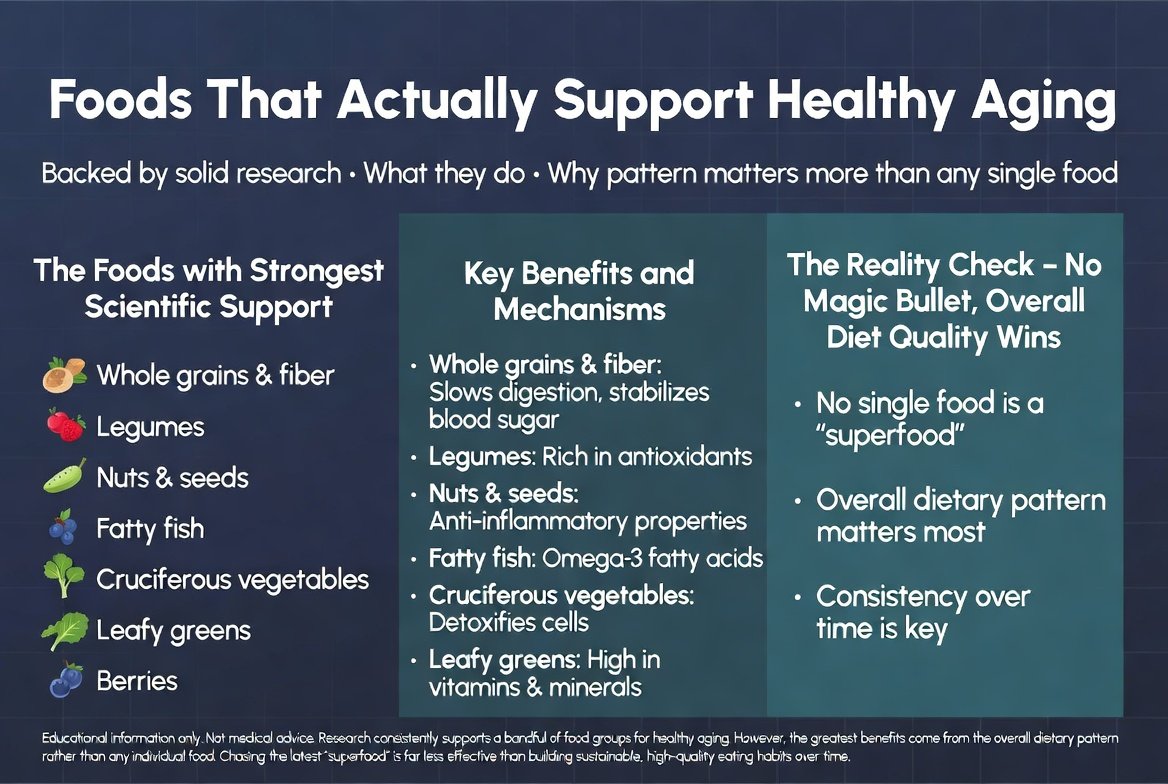
The real news is that almost everything that boosts energy is also what extends healthy lifespan: sleep, movement, balanced nutrition, and stress management. When you take care of your daily energy, you are essentially investing in your long-term health. Start with the basics, be consistent for two weeks, and if something still isn't working, get a blood test instead of guessing.
For more practical guides on health and longevity, see more practical guides.
References:
Vaucher P et al. (2012) - Effect of iron supplementation on fatigue in nonanemic menstruating women with low ferritin: a randomized controlled trial. CMAJ.
Puetz TW et al. (2006) - Effects of chronic exercise on feelings of energy and fatigue: a quantitative synthesis. Psychological Bulletin.
Effect of vitamin D3 on self-perceived fatigue: a double-blind randomized placebo-controlled trial. Medicine.

💬 Comments (0)
Be the first to comment on the article.