Every week, a new headline promises to stop or reverse aging: a molecule that extended the lifespan of mice, a supplement that restores NAD to levels of a 20-year-old, genes that reset the cellular clock. The question every reader asks is simple and legitimate: What of this can I actually do, today, to slow my own aging? And just as importantly: what of this is proven, and what is merely marketing hype wrapping research on mice?
This article is an honest answer to that question. It is built around the most widely accepted scientific framework for understanding aging, the 12 Hallmarks of Aging, first defined in 2013 by Carlos Lopez-Otin and his colleagues in Cell (as nine hallmarks), and expanded to 12 in 2023. Each hallmark has a mechanism, and each mechanism has interventions that try to influence it. But not all are equal. We will rank each in three honest categories:
- 🟢 Proven in Humans: Overwhelmingly lifestyle, physical activity, strength training, quality nutrition, protein, sleep, not smoking, fiber, vitamin D. These are the foundation, and they are cheap or free.
- 🟡 Promising but Early: Limited or preliminary human evidence, senolytics, NAD boosters, spermidine, omega-3. Worth following, not relying on.
- 🔴 Experimental, Not Proven to Extend Human Lifespan: Rapamycin, metformin for healthy people, partial epigenetic reprogramming (Yamanaka factors), NMN for longevity, gene therapy. Scientifically exciting, but not ready for self-use.
Let's say it now, and we will repeat it throughout the article: There is currently no anti-aging magic pill, and no supplement has been proven to extend the lifespan of a healthy human. The most powerful, safe, and cheap levers are lifestyle. Everything else is exciting research worth knowing, but not worth betting your health on. (For a deep understanding of why we age in the first place, read our companion article: 12 Hallmarks of Aging: Why We Age – The Complete Guide.)
1. Genomic Instability: Protecting DNA
The hallmark: Throughout life, our DNA accumulates damage from radiation, toxins, and replication errors. Repair systems weaken, and damage accumulates.
🟢 What is Proven: The best protection for the genome is avoiding known harmful factors, smoking (the largest controllable mutagenic factor), excessive sun exposure without protection, and heavy alcohol use. These are not exotic 'anti-aging treatments,' but the foundation. A diet rich in natural antioxidants (vegetables, fruits) supports cellular defense systems.
🟡 Promising: Basic research on molecules that improve DNA repair (e.g., NAD boosters that fuel PARP and sirtuin enzymes) is interesting, but in humans, there is no evidence yet that they significantly reduce genomic damage in a clinically meaningful way.
The bottom line for this hallmark is intentionally boring: Don't smoke, protect yourself from the sun, drink in moderation. It's not sexy, but it's the only thing proven here.
2. Telomere Attrition: Protecting Chromosome Ends
The hallmark: Telomeres are protective 'caps' at the ends of chromosomes that shorten with each cell division. When they become too short, the cell stops dividing or becomes a zombie cell.
🟢 What is Proven: Here there is an impressive finding. A 2017 study by Larry Tucker, analyzing data from 5,823 adults in the US National Health and Nutrition Examination Survey (NHANES), found that people with high levels of physical activity had longer telomeres, an advantage of about 9 biological years compared to sedentary people, and 7 years compared to moderately active people. It's important to understand this is an observational study (correlation, not necessarily causation), but the direction is consistent across many studies. Regular physical activity is the most proven intervention for telomere health. Avoiding smoking and obesity are also linked to longer telomeres.
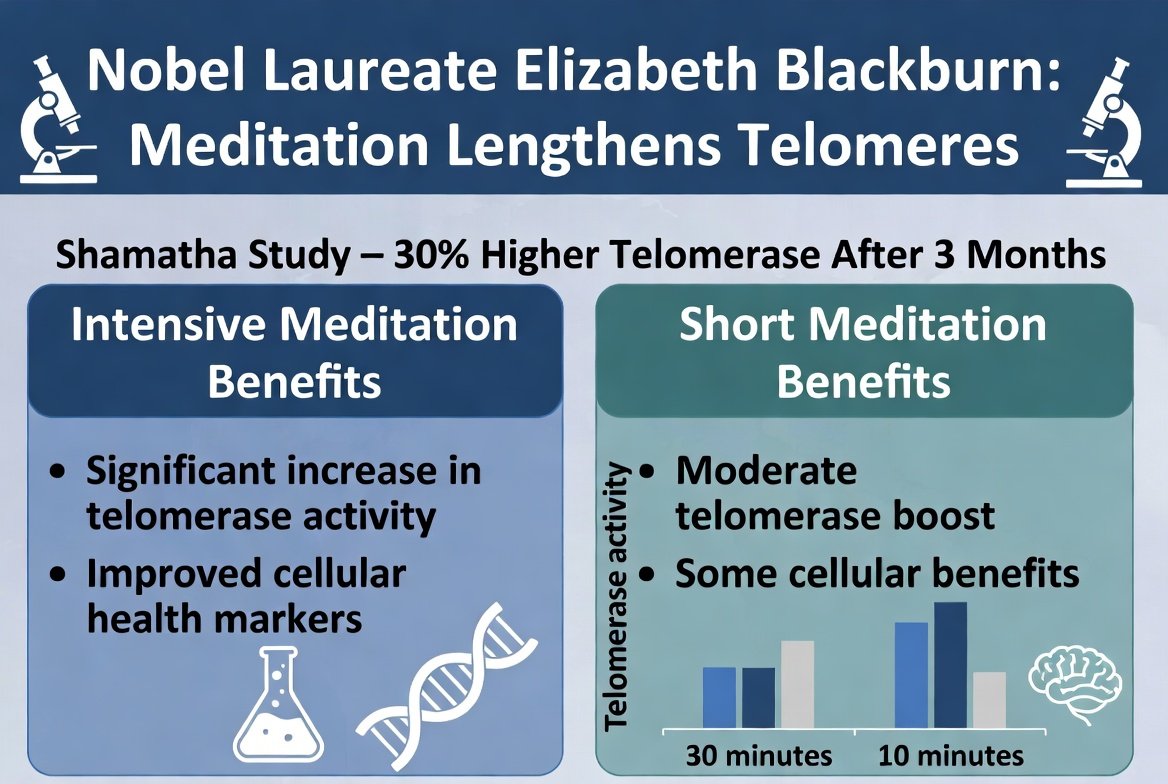
🔴 Experimental: Telomerase activators (the enzyme that lengthens telomeres) sound like an ideal solution, but there is a good reason for caution: Cancer cells exploit exactly this enzyme to become immortal. Artificially lengthening telomeres could increase cancer risk, so there is currently no safe and approved treatment for lengthening telomeres in healthy humans.
3. Epigenetic Alterations: Resetting the Expression Clock
The hallmark: DNA doesn't change, but the 'instructions' that turn genes on and off (methylation and histones) become disrupted with age. This is the basis of 'epigenetic clocks' that measure biological age.
🟢 What is Proven: A healthy lifestyle leaves a measurable epigenetic signature. Consistent exercisers and people on a quality diet show a lower biological age on methylation clocks. In the CALERIE study, which tested 25% caloric restriction for two years in healthy humans, a slowing of about 3% in the rate of biological aging (according to the DunedinPACE clock) was measured. This is the first direct evidence that a simple intervention slows the epigenetic clock in humans.
🔴 Experimental: The most exciting headline in this field is partial epigenetic reprogramming, the use of Yamanaka factors (OSK) to 'reset' cells to a younger age without erasing their identity. A groundbreaking study from David Sinclair's lab in Nature (2020) showed that OSK restored vision in old and blind mice. But this is critical: This has only been done in animals. The first human clinical trial (for glaucoma) is just beginning. There is nothing here that a person can do for themselves, and any promise of 'home reprogramming' is marketing, not science.
4. Loss of Proteostasis (Protein Homeostasis)
The hallmark: With age, damaged proteins accumulate instead of folding correctly or being broken down. Such accumulation underlies diseases like Alzheimer's and Parkinson's.
🟢 What is Proven: The two most powerful levers for protein maintenance are physical activity and quality sleep. Movement boosts cellular 'cleanup' systems, and deep sleep activates the glymphatic system that clears toxic proteins from the brain. Adequate dietary protein (about 1.2 to 1.6 grams per kg per day in adults) is also essential for building and maintaining body proteins.
🟡 Promising: Spermidine (a natural polyamine in foods like wheat germ and fermented soy) promotes autophagy, see the next section. Human evidence is still mostly observational.
5. Disabled Autophagy: The Cellular Recycling System
The hallmark: Autophagy is the 'recycling' mechanism where the cell breaks down damaged components and builds new ones. With age, this mechanism weakens, and it is one of the three hallmarks added in 2023.
🟢 What is Proven: The most powerful and safe activation of autophagy is through physical activity and fasting or caloric restriction. When the body enters a temporary energy deficit, it turns on autophagy to 'recycle' components. No extreme fasting is needed: reasonable eating breaks and avoiding continuous eating throughout the day also contribute.
🟡 Promising: Spermidine is the most studied dietary activator of autophagy. Studies in mice (Eisenberg, Nature Medicine 2016) showed that spermidine supplementation extends lifespan and improves heart function through autophagy. In humans, the research is still observational: people who consume more spermidine from their diet show lower mortality rates, but there is no controlled clinical trial yet proving causation. Worth following, not relying on.
6. Deregulated Nutrient Sensing: mTOR, AMPK Pathways, and Caloric Restriction
The hallmark: The body 'senses' how much energy and food are available through pathways like mTOR (promotes growth) and AMPK (promotes conservation and repair). Chronic excess of food, especially sugar and excessive protein, locks the system into 'growth' mode and accelerates aging.
🟢 What is Proven: This is one of the hallmarks where lifestyle has the most direct impact. Moderate caloric restriction, maintaining a healthy weight, intermittent fasting, and physical activity all shift the balance from mTOR to AMPK, the 'anti-aging' state. The CALERIE study (above) is the human proof: 25% caloric restriction slowed the rate of biological aging. No starvation is needed: even avoiding chronic caloric excess and losing excess weight achieve much of the benefit.
🔴 Experimental: Here are the two most talked-about drugs in longevity. Rapamycin inhibits mTOR, and it is the only drug consistently proven to extend lifespan in mammals: in the ITP study by the National Institute on Aging (Harrison, Nature 2009), it extended median lifespan of mice by about 9% to 14%, and at a higher dose (Miller, Aging Cell 2014) even by 23% to 26%. But, and this is a huge but, there is no study yet showing that rapamycin extends lifespan or slows aging in healthy humans, and it has side effects and risks. Metformin, a diabetes drug, activates AMPK and is being studied for longevity (the TAME trial), but it has also not been proven to extend lifespan in healthy people, and there is evidence it may even blunt some benefits of exercise. Both are prescription drugs that should not be taken alone for 'anti-aging' purposes.
7. Mitochondrial Dysfunction: The Energy Factories
The hallmark: Mitochondria, the energy factories of the cell, lose efficiency with age, producing less energy and more oxidative stress.
🟢 What is Proven: The golden intervention here is physical activity, especially aerobic exercise. Regular movement activates the protein PGC-1α and increases mitochondrial biogenesis, building new, efficient mitochondria. In older adults who underwent an exercise program, significant improvement in mitochondrial density and function in muscle was measured, along with improved insulin sensitivity. This is a partial and measurable reversal of one of the classic hallmarks of aging. Moderate-intensity exercise ('Zone 2') is considered particularly effective for mitochondrial health.
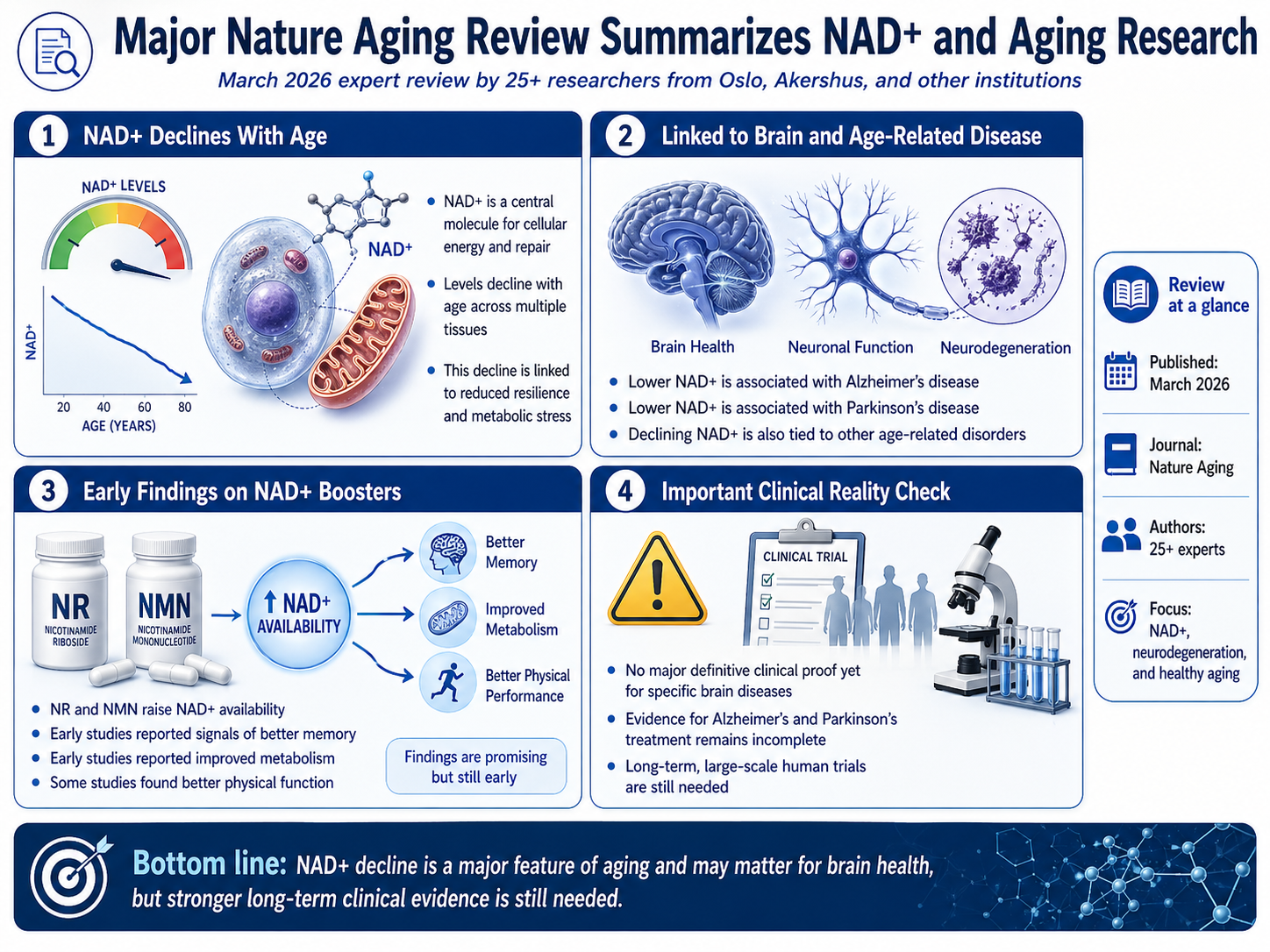
🟡 Promising: NAD boosters (NMN and NR) are based on the logic that NAD levels decline with age and impair mitochondrial function. They do reliably raise NAD levels in human blood, but, and this is the critical difference, human studies (Elhassan 2019, Remie 2020) have not yet shown clear functional or anti-aging benefit. They are relatively safe but have not proven themselves. CoQ10 and omega-3 are also being studied for mitochondrial health with partial evidence.
8. Cellular Senescence: Zombie Cells and Senolytics
The hallmark: With age, damaged cells stop dividing but refuse to die. These 'zombie' cells (senescent cells) secrete inflammatory substances that poison the surrounding tissue, known as the SASP.
🟢 What is Proven: Again, physical activity helps clear and mitigate zombie cells, and an anti-inflammatory diet reduces the damage they cause. This is the accessible foundation for everyone.
🟡 Promising, but no more than that: Senolytics, molecules designed to selectively kill zombie cells, are among the most exciting fields. The most studied combination is dasatinib + quercetin. The first human trial (Justice, EBioMedicine 2019) tested 14 patients with pulmonary fibrosis and saw improvement in physical function (walking speed, walking distance) with reasonable safety. Fisetin, a natural flavonoid, is also being studied in clinical trials (including at the Mayo Clinic). But here is the honesty: These are small, preliminary trials on specific diseases, and none have proven that senolytics extend the lifespan of a healthy human or slow general aging. Most of the impressive evidence is still in mice. Do not take dasatinib (a chemotherapy drug) on your own, under any circumstances.
9. Stem Cell Exhaustion: The Regeneration Reservoir
The hallmark: Our stem cells, which maintain and regenerate tissues, become depleted and lose capacity with age. The result: slower healing, impaired muscle and bone regeneration.
🟢 What is Proven: The best way to support the stem cell reservoir is to give the body a reason to use it: strength training stimulates muscle stem cells (satellite cells), weight-bearing exercise stimulates bone stem cells, and good sleep and nutrition provide the raw materials. Muscle and bone that are not used lose their regenerative capacity faster.
🔴 Experimental: 'Stem cell treatments' offered in private clinics (sometimes costing tens of thousands of shekels) are not proven for anti-aging, some are dangerous and unregulated. Real regenerative medicine exists for specific medical conditions, but 'stem cell injections for anti-aging' is currently marketing, not evidence-based treatment.
10. Altered Intercellular Communication
The hallmark: Cells communicate with each other through hormones and signaling molecules. With age, this 'language' becomes distorted, inflammatory signals increase, and repair signals weaken.
🟢 What is Proven: Active muscle is an endocrine organ. When you exercise, muscle secretes hundreds of signaling molecules (myokines) that talk to the brain, liver, and immune system, tipping the balance toward an anti-aging state. Thus, physical activity directly repairs intercellular communication. Good sleep regulates the hormones (cortisol, growth hormone, insulin) that keep the system balanced.
11. Chronic Inflammation: Inflammaging
The hallmark: With age, a low-grade, silent chronic inflammation (inflammaging) develops, accelerating almost every age-related disease, from atherosclerosis to Alzheimer's. This is a new hallmark from 2023.
🟢 What is Proven, and here there is abundant evidence: The Mediterranean diet is the most proven dietary intervention against inflammation. In the PREDIMED trial, participants on a Mediterranean diet (rich in olive oil, nuts, vegetables, fish) showed a significant decrease in key inflammatory markers: IL-6, hs-CRP, TNF-α, and others, over years. Concurrently, physical activity lowers inflammatory markers (sometimes by 30% or more), adequate sleep prevents the inflammatory rise that accompanies sleep deprivation, and loss of belly fat (an active inflammatory tissue) lowers systemic inflammation. Omega-3 from the diet also contributes.
🟡 Promising: Omega-3 and curcumin supplements are being studied as anti-inflammatories with partial evidence, but they are complementary, not a replacement for the dietary foundation.
12. Dysbiosis: Gut Microbes
The hallmark: The population of bacteria in the gut (microbiome) changes for the worse with age, losing diversity and producing fewer beneficial and more inflammatory substances. This is the third of the hallmarks added in 2023.
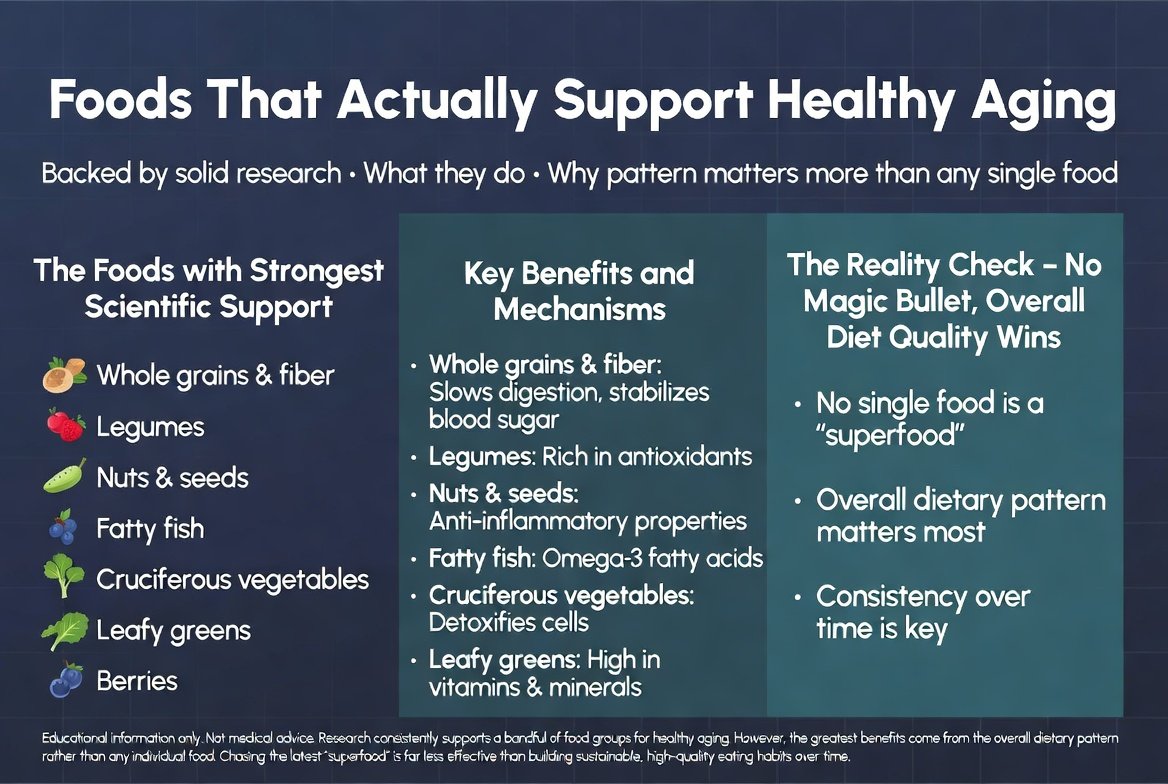
🟢 What is Proven: The most powerful tool for a healthy microbiome is simple: dietary fiber and plant diversity. Gut bacteria ferment fiber and produce short-chain fatty acids (especially butyrate), which nourish gut cells, strengthen the gut barrier, and reduce inflammation. A large meta-analysis (Reynolds, Lancet 2019) linked high fiber intake to lower mortality and fewer chronic diseases. Fermented foods (yogurt, sauerkraut, kimchi) add bacterial diversity. Practical recommendation: 30+ different types of plants per week, vegetables, fruits, legumes, whole grains, nuts.
🟡 Promising: Probiotic and prebiotic supplements may help in certain situations, but the science of the microbiome is still young, and fiber from food beats any supplement.
So Where Do You Really Start?
If you've gone through the 12 sections, you've noticed one thing: The same few lifestyle interventions appear again and again, in almost every hallmark. This is no coincidence. Unlike a drug that targets one pathway, a healthy lifestyle targets ten hallmarks simultaneously. Therefore, here is the practical priority order, from most proven to most experimental:
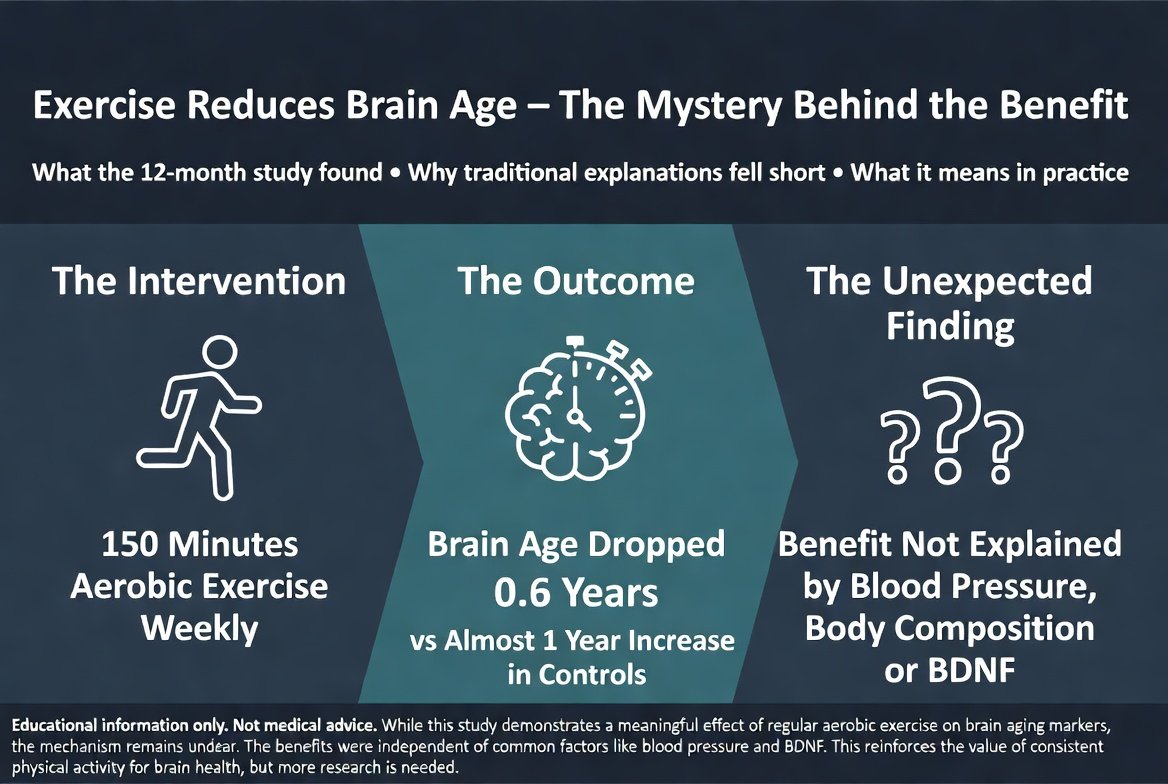
- Move, both aerobic and strength. This is the only intervention that touches almost all 12 hallmarks: telomeres, mitochondria, inflammation, stem cells, cellular communication, epigenetics. Aim for: 150 minutes of moderate aerobic activity per week plus 2 to 3 strength training sessions. If you are sedentary, the jump from 'nothing' to 'something' is the biggest. Build a personalized training plan with our tool.
- Eat a Mediterranean diet, with plenty of plants and adequate protein. Olive oil, vegetables, legumes, fish, nuts, minimal ultra-processed food and sugar. This tackles inflammation, nutrient sensing, and the microbiome all at once. Aim for 30+ different plants per week and adequate protein (especially important after age 50). Get longevity nutrition principles.
- Sleep 7 to 9 quality hours. Sleep repairs proteins, cleans the brain, balances hormones, and regulates inflammation. It is one of the most underappreciated levers.
- Don't smoke, drink alcohol in moderation, protect yourself from the sun. Basic genome protection, at no cost.
- Correct proven deficiencies: Vitamin D (if deficient), omega-3, and based on a blood test. Supplements solve deficiencies, they don't extend lifespan on their own. Check supplement suitability.
- Only after that, with caution and medical guidance, consider the yellow: Senolytics, spermidine, NAD boosters. Follow the research, but don't rely on them or replace the foundation with them.
- Leave the red for the researchers: Rapamycin, metformin for healthy people, reprogramming, private stem cell treatments. These are prescription drugs and experimental technologies not proven in healthy humans. Do not try on your own.
Want to translate all this into one organized plan? Build a personal protocol that combines training, nutrition, and supplements according to your profile, and check what your estimated biological age is. For a review of all 12 hallmarks and the research in each category, see the 12 Hallmarks of Aging Center.
The Broader Perspective
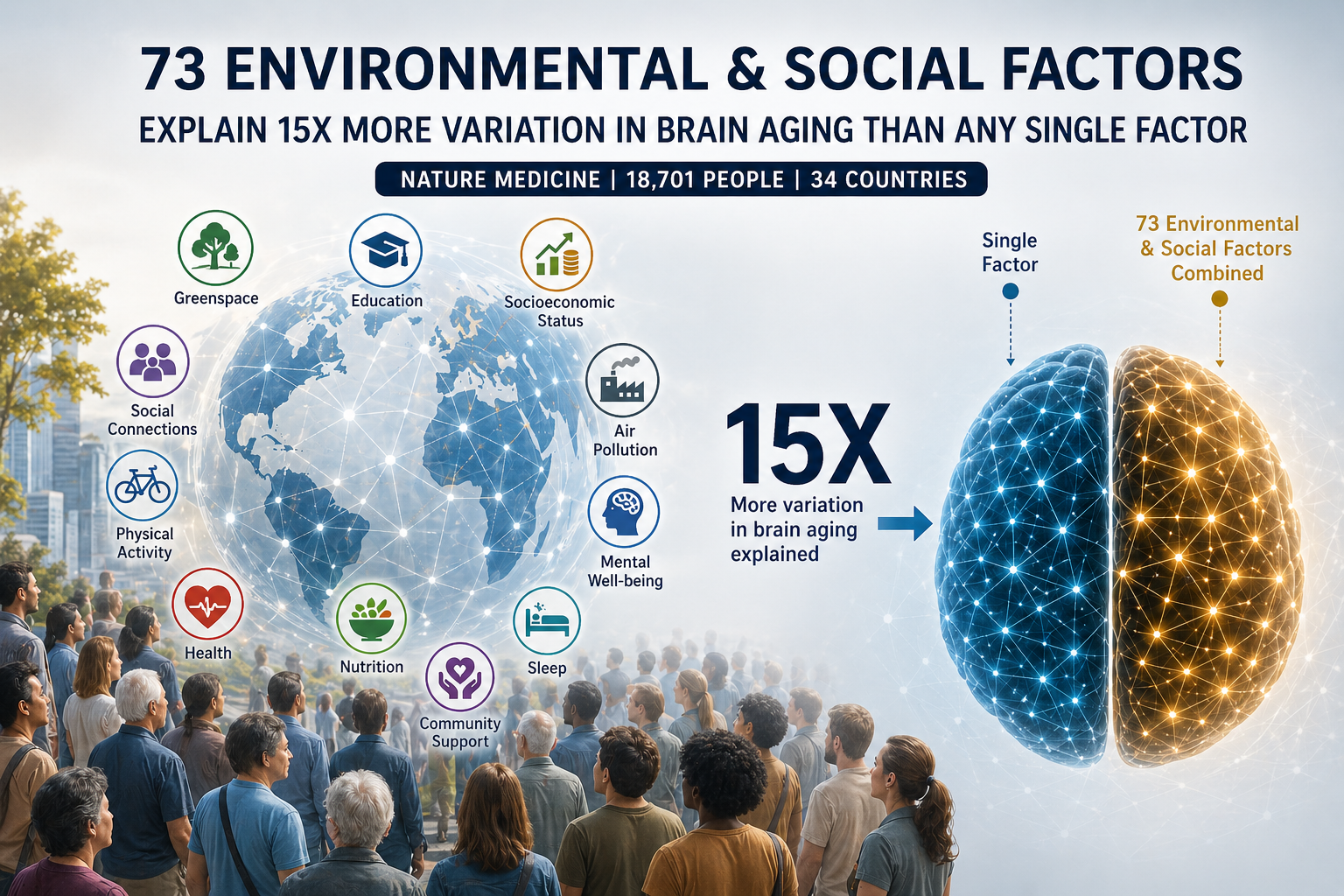
The story of 'reversing aging' is sold to us as a race for the next pill. But when you look honestly at the evidence, something almost disappointingly simple emerges: The most powerful, safe, and cheapest levers against aging are already in your hands. They are called movement, real food, sleep, and connections. They don't require a prescription, don't cost 5,000 shekels a month, and are available tomorrow morning.
This doesn't mean experimental research is worthless. On the contrary, it is entirely possible that in the next decade or two, senolytics, partial reprogramming, or mTOR drugs will become real tools that add to the foundation. But they will add to it, not replace it. And every healthy year you earn today, through proven lifestyle, is a ticket to stay around and meet those breakthroughs when they mature.
So yes, you can slow aging. Not through a secret, but through consistency. Aging is partially under your control, and the part that is under control begins not in a lab, but in the choices you make with every meal, every workout, every night.
Note: This article is for information and education only and does not constitute medical advice. Rapamycin, metformin, dasatinib, and any prescription drug require medical supervision. Consult a doctor before making significant changes to your diet, physical activity, or taking supplements, especially if you are taking medications or have a chronic illness.
References:
Lopez-Otin et al. - Hallmarks of Aging: An Expanding Universe (Cell, 2023)
Lu et al. - Reprogramming to recover youthful epigenetic information and restore vision (Nature, 2020)
Justice et al. - Senolytics in idiopathic pulmonary fibrosis: first-in-human pilot study (EBioMedicine, 2019)

💬 Comments (0)
Be the first to comment on the article.