Every few years, the health world adopts a new habit that is supposed to change everything, and in recent years, it's cold's turn. Cold showers, cold water immersions, and ice baths have moved from the realm of extreme athletes to millions of ordinary people. Trend leaders promise accelerated fat burning, a bulletproof immune system, elevated mood, and even a slowing of the aging process itself. But how many of these claims are truly scientifically based, and how many are marketing hype?
The answer, as always in science, is more interesting than the slogans. Cold exposure indeed does real, measurable things to the body, but not necessarily the things being sold to you. In this article, we will separate what research supports from what is still speculation, and explain how to benefit safely, because with cold, unlike a dietary supplement, there is also real risk.
What is Cold Exposure?
Cold Exposure is an umbrella term for several practices that share one thing: deliberately exposing the body to low temperatures for a short time. The main ones are:
- Cold Shower: 30 seconds to a few minutes of cold water, usually at the end of a regular shower. The most accessible and safest version.
- Cold Water Immersion: Entering the sea, a lake, or a bath in water at a temperature of 10-15 degrees Celsius.
- Ice Bath: Submersion in water with ice at a temperature of 5-10 degrees Celsius, popular among athletes for recovery.
- Wim Hof Method: A combination of cold exposure with controlled breathing.
Common to all: the body is exposed to a short thermal shock and responds with a chain of rapid and powerful physiological reactions.
The Mechanism: Why the Body Reacts So Strongly to Cold
Our skin is densely packed with cold receptors. When you step into a cold shower, these receptors send a massive wave of electrical signals all at once to the brain. The body interprets this as a threat and activates the sympathetic nervous system, the "fight or flight" system.
The immediate result is a massive release of norepinephrine (noradrenaline), a neurotransmitter and hormone responsible for alertness, focus, and mood. Studies measuring cold water immersion have found a sharp spike in blood norepinephrine levels. This is likely the main explanation for the sharp "I feel alive" sensation reported after a cold shower.
A second mechanism is the activation of brown fat. Unlike white fat, which stores energy, brown fat burns energy to produce heat. Cold is the natural stimulus that activates it, and repeated cold exposure over weeks increases the amount and activity of brown fat in the body.
Current Evidence: What Science Really Supports
Study 1: Cold Showers and Fewer Sick Days, Buijze 2016
The most impressive study in the field was published in the journal PLoS ONE by a group of Dutch researchers. 3,018 participants were randomly divided into groups that ended their daily shower with 30, 60, or 90 seconds of cold water, versus a control group, for 30 days.
The result: The cold groups showed a 29% reduction in sickness-related absenteeism from work compared to the control group. Interestingly, the number of sick days themselves did not decrease significantly, meaning people still got sick, but felt able to function and go to work. Another important point: the duration of cold (30 vs. 90 seconds) did not change the outcome, suggesting that 30 seconds is entirely sufficient.
Study 2: Comprehensive Review of 104 Studies, Espeland 2022
A systematic review published in the International Journal of Circumpolar Health analyzed 104 studies on voluntary cold exposure. The conclusion was balanced: there are promising signs for improved insulin sensitivity, reduced fat mass, and an adaptive response of the immune system, but the researchers emphasized that the quality of evidence is low, most studies are small, and the topic remains controversial. This is an excellent example of the gap between online enthusiasm and scientific caution.
Study 3: The Norepinephrine Surge, Srámek 2000
A classic study in the European Journal of Applied Physiology immersed participants in water at different temperatures for one hour. In water at 20 degrees Celsius, metabolic rate increased by 93% and levels of norepinephrine and dopamine surged. This confirms the mechanism, but also reveals the problem with the "fat burning" claim: the increase in metabolism is short-term, and most of it goes to shivering and rewarming, not to significant weight loss.
Study 4: The Hypothesis on Depression, Shevchuk 2008
It's important to be fair about the source of some claims. The most cited article on cold and mood, by Nikolai Shevchuk in Medical Hypotheses, is a theoretical hypothesis, not a clinical trial. He proposed that a 2-3 minute cold shower might alleviate depressive symptoms through massive nerve stimulation, but tested it on a very small number of people without diagnosed depression. The journal's name, "Medical Hypotheses," says it all: it's a starting point for research, not proof.
What is Hype: The Exaggerated Claims
Here we need to be clear, because this is where most of the marketing damage lies:
- "Cold extends life": There is no human study showing that cold exposure extends lifespan. The evidence for this comes from worms and rodents, and cannot be extrapolated to humans. This claim is simply unfounded.
- "Burns tons of fat": Activating brown fat is real, but the amount burned is small. No study shows dramatic weight loss from cold alone, without changes in diet and activity.
- "Boosts metabolism for the rest of the day": The increase in metabolism occurs mainly during exposure and rewarming, and it is modest. It does not continue burning for hours afterward.
The bottom line: cold is a good tool for mood, alertness, and a sense of resilience, not a metabolic miracle or a fountain of youth.
Safety Warning: Where Cold is Truly Dangerous
Unlike most health trends, cold has a real physiological risk, which is why this section is the most important in the article.
- Cold sharply raises blood pressure. The thermal shock constricts blood vessels and raises heart rate and blood pressure within seconds. If you have heart disease, uncontrolled high blood pressure, or an arrhythmia, cold exposure can be dangerous and may trigger a cardiac event. Consult a doctor before starting.
- Never enter cold water alone. Entering cold water causes the "Cold Shock Response": an involuntary gasp and increased breathing rate that can lead to water inhalation and drowning. In the sea, lake, or bath, always have someone nearby.
- Avoid if you are pregnant or have a chronic illness without explicit medical approval.
- Get out immediately if you feel dizzy, chest pain, or severe numbness.
The Nuance for Fitness Enthusiasts: Cold After Strength Training
A point many are unaware of, which changes the picture for anyone training to build muscle. An important study by Roberts et al. 2015 published in the Journal of Physiology followed trainees for 12 weeks. One group did cold water immersion immediately after strength training, the other did active recovery.
The result: The group that immersed in cold water showed less growth in muscle mass and strength. The reason: the inflammation and increased blood flow after training are precisely the signals that trigger muscle building, and cold suppresses them. The practical conclusion: if your goal is to build muscle, do not take an ice bath immediately after resistance training. Wait at least 4-6 hours, or do the cold exposure on a rest day. For endurance athletes who need to recover quickly between competitions, the story is different and cold may help.
How to Start Safely, Step by Step
If you don't have heart disease and want to try, here is the gradual and safe way:
- Start at the end of a regular hot shower. In the first week, finish with only 30 seconds of cold water. That's it. As we saw in the Buijze study, 30 seconds is enough for benefit.
- Breathe deeply and slowly. The urge will be to hold your breath and tense up. Instead, maintain long, controlled exhalations. This trains the stress response.
- Add 10-15 seconds each week if you feel comfortable, up to a maximum of 2-3 minutes. No need for more.
- Only once the cold shower has become routine, consider progressing to cold water immersion, and always with another person present.
- Listen to your body. Mild shivering after getting out is normal. Dizziness, pain, or numbness are signs to stop.
Cold is one of several "biohacks" with a real scientific basis, alongside intermittent fasting, morning sunlight exposure, and resistance training. Discover more science-based hacks that integrate into daily routine without outlandish promises.
The Broader Perspective
Cold exposure is a perfect example of how a real health trend gets stretched into a caricature. The foundation is real: cold spikes norepinephrine, improves mood and alertness, activates brown fat, and can contribute to a daily sense of resilience. The exaggeration is unnecessary: it doesn't extend life, doesn't burn significant amounts of fat, and doesn't replace diet and exercise.
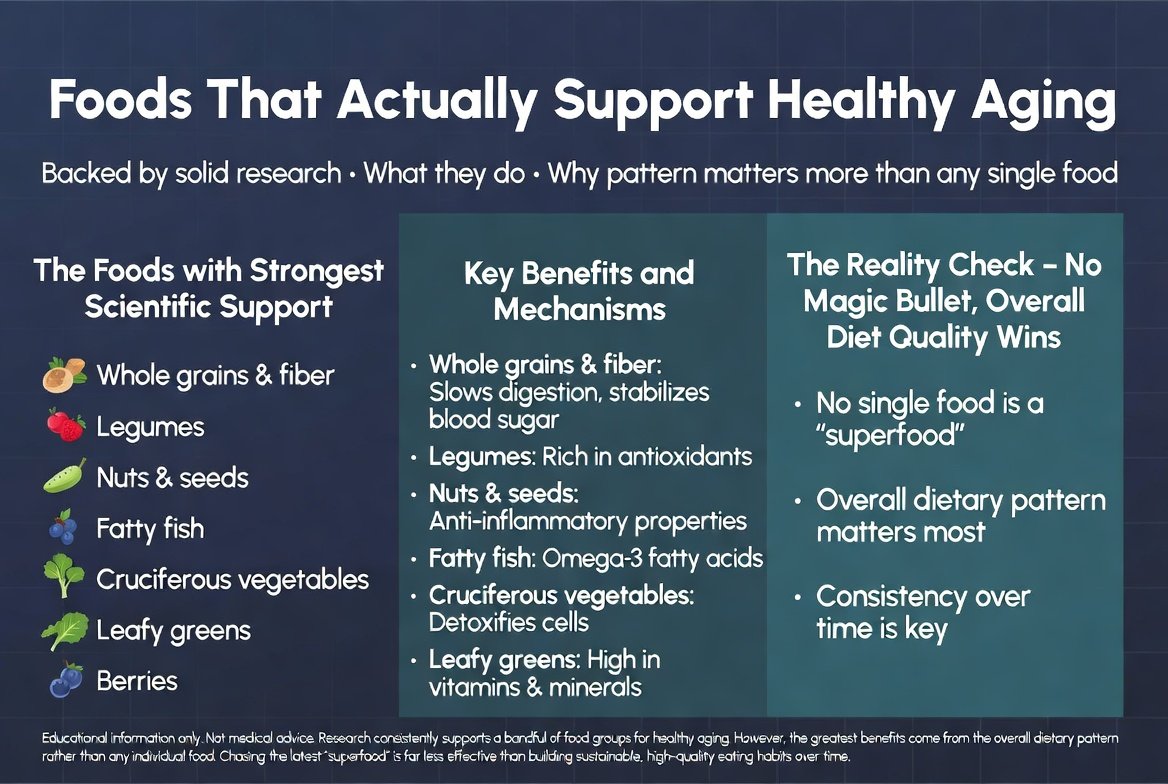
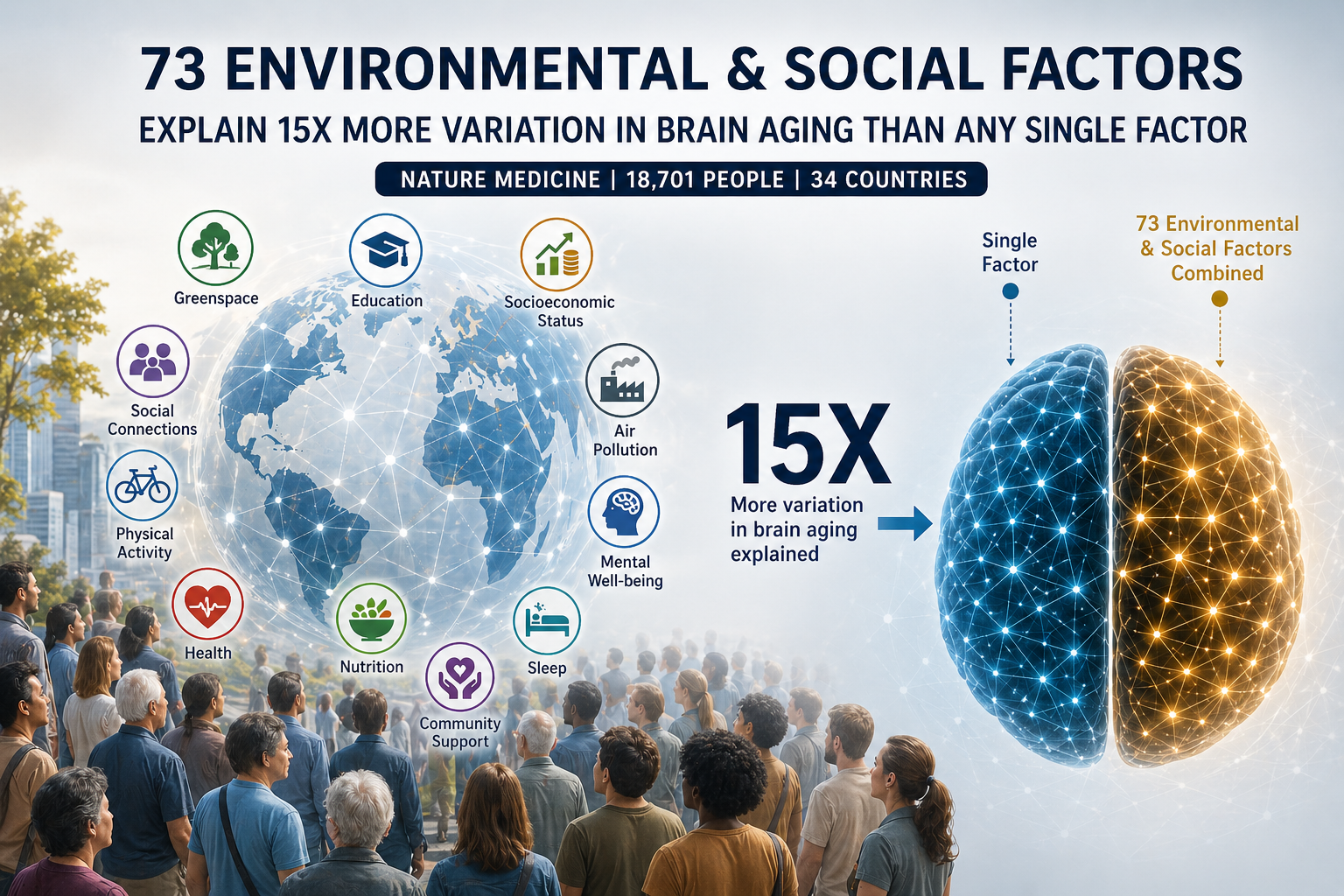
If you enjoy the cold shower and the mental boost it gives, that's an excellent reason to continue, provided you do it safely. But if you hate it, don't feel you're missing the key to longevity. You're not. The habits that truly move the needle—sleep, movement, nutrition, and social connections—remain unchanged. Cold is a nice addition, not the foundation.
References:
Buijze et al. 2016, PLoS ONE: The Effect of Cold Showering on Health and Work
Roberts et al. 2015, Journal of Physiology: Cold Water Immersion and Strength Training
Espeland et al. 2022, Int J Circumpolar Health: Health Effects of Voluntary Exposure to Cold Water

💬 Comments (0)
Be the first to comment on the article.