If you walk into a pharmacy or health food store, almost every other shelf will promise to strengthen your immune system. Supplements, smoothies, superfood powders, and miracle drops all make the same promise. The problem? The vast majority have not been seriously tested, and even those that have, their effect is tiny compared to what really matters. The good news is that the things that actually work are cheap, accessible, and usually already within your reach.
In this guide, we will take an honest approach: we won't sell you miracles, but explain what research shows truly supports immune function, step by step. This is not a medical guide or a substitute for a doctor's advice, but general information about a healthy lifestyle.
First of all: There is no such thing as boosting immunity
The immune system is not a muscle you lift weights for and enlarge by force. It is a complex network of cells, proteins, and organs that works in a balanced manner. A stronger immune system
is not necessarily better: an overactive immune system causes autoimmune diseases and chronic inflammation. What we really want is a well-functioning immune system, one that responds when needed and calms down when not needed.
- No single supplement
boosts
immunity in a healthy, well-nourished person. - The real benefit comes from accumulating habits, not from one product.
- Correcting a genuine nutritional deficiency (like low vitamin D) helps, but mega-dosing when there is no deficiency adds nothing and is sometimes harmful.
With this framework in mind, here are the steps truly worth your time, ordered by how much evidence supports them.
Practical steps, in order of importance
1. Get enough sleep, this is the most powerful step
If you do only one thing from this list, let it be sleep. During sleep, the body produces and regulates immune cells, and chronic sleep deprivation directly impairs the ability to fight infections. In a famous study by Prather and colleagues in 2015, researchers measured the sleep of 164 healthy volunteers for a week, then intentionally exposed them to the cold virus. Those who slept less than 6 hours a night were about 4 times more likely to develop a cold compared to those who slept more than 7 hours.
- Aim for 7 to 9 hours of sleep per night.
- Maintain a consistent bedtime and wake-up time, even on weekends.
- Darken the room, turn off screens an hour before bed.
2. Eat a plant-rich diet
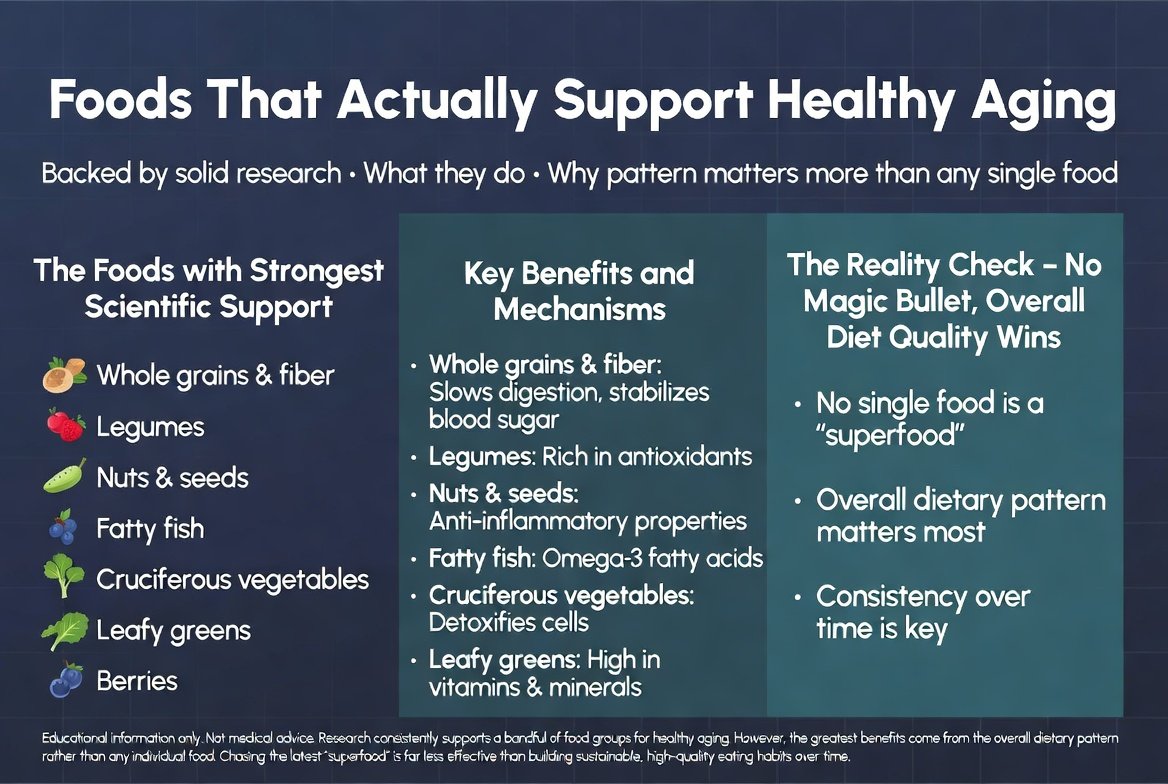
Most immune cells rely on nutrients from food: protein, vitamins (A, C, D, E), zinc, selenium, iron, and copper. The best way to provide all of them is a varied plate, not a pill. Colorful vegetables and fruits, legumes, nuts, fish, and whole grains also provide fiber that feeds gut bacteria, where a significant part of the immune system resides.
- Aim for 5 servings of vegetables and fruits a day, the more colors, the better.
- Add a quality protein source to every meal; protein deficiency impairs antibody production.
- Fermented foods (yogurt, sauerkraut) support gut bacteria diversity.
3. Move, but in moderation
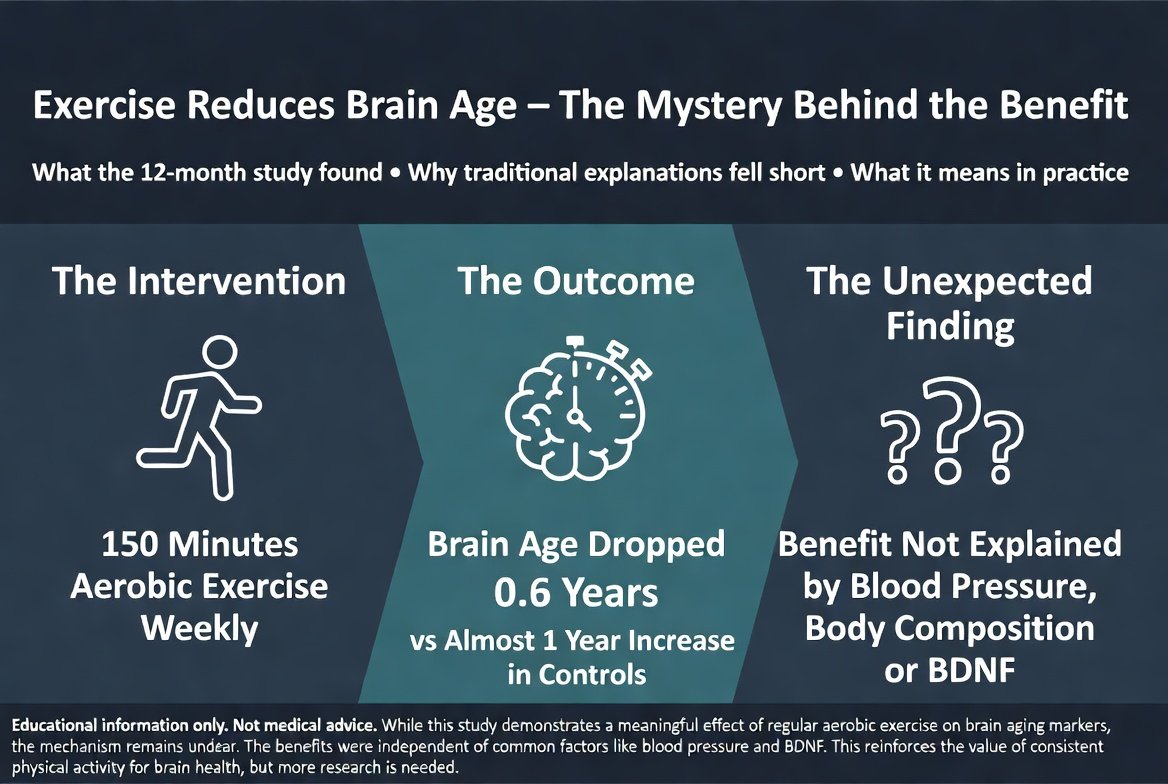
Moderate and regular physical activity is one of the most immune-supportive things there is. A comprehensive review by researcher David Nieman in 2019 described a J-curve
: moderate activity is associated with a 40 to 50 percent reduction in upper respiratory tract infections, but extreme and prolonged exertion (like a marathon) temporarily increases the risk of infection. Brisk walking, light jogging, or cycling a few times a week is the right recipe.
- Aim for 150 minutes of moderate aerobic activity per week.
- Avoid extreme exhausting exertion when you are already sick.
- A daily 30-minute walk is better than one grueling workout per week.
4. Manage stress
Chronic stress raises cortisol levels, and over time, this suppresses parts of the immune response and increases inflammation. Acute stress is part of life, but ongoing stress is a real problem for immunity. There is no need for two hours of meditation; even 10 minutes of breathing, a walk in nature, or a chat with a friend helps. Strong social connections, by the way, are themselves linked to lower morbidity.
- Incorporate short breaks and deep breathing throughout the day.
- Maintain social connections; loneliness harms health as much as smoking.
- Time in nature and enjoyable activities lower cortisol.
5. Correct vitamin D deficiency (but don't overdo it)
Vitamin D is one of the most common deficiencies, especially in winter and for those not exposed to sun. A large meta-analysis in the BMJ in 2017 led by Martineau, which pooled 25 randomized trials and 10,933 participants, found that vitamin D supplementation reduced the risk of respiratory tract infections. The key point: the benefit was dramatic in those who started with very low levels, and very small in those whose levels were already normal. That is, correction helps, not excess.
- Check your vitamin D level with a blood test before starting supplementation.
- If deficient, a regular daily supplement is more effective than a single large dose.
- No need for mega-doses; a normal level is sufficient.
6. Zinc, especially if deficient
Zinc is essential for immune cell function, and deficiency impairs resistance to infections, common especially in the elderly, vegetarians, and those who eat little meat. There is also evidence that high-dose zinc lozenges (over 75 mg per day), if taken at the onset of a cold, may shorten the duration of the cold by about 30 percent. However, regular high-dose zinc intake when there is no deficiency can actually impair copper absorption, so this is not a supplement to take just in case
all year round.
- Meat, seafood, legumes, and pumpkin seeds are good sources of zinc.
- Zinc lozenges at the onset of a cold, yes; regular high-dose intake, no.
7. Simple hygiene
Sometimes we forget the obvious. Proper hand washing is one of the most effective ways to prevent infection, simply because it spares the immune system the battle in the first place.
- Wash hands with soap for 20 seconds, especially before eating and after public spaces.
- Avoid touching your face with unwashed hands.
- Stay up to date with recommended vaccines for your age; this is the only targeted boost that actually trains the immune system.
8. Don't smoke, and limit alcohol
Smoking directly damages the mucous membranes of the respiratory tract and the immune cells that protect them, and heavy drinking suppresses the immune response and disrupts the balance of gut bacteria. These two points are pure loss
: avoiding them does not strengthen
immunity, but stops harming it.
- Quitting smoking improves lung and immune function within weeks.
- If you drink, do so in moderation, no more than one to two drinks per day.
Myths you should stop believing
A large part of the industry is built on statements that sound logical but don't hold water. Here are a few to discard:
- Mega-dose vitamin C prevents colds: For most people, regular intake does not prevent colds and barely shortens them. Only in athletes under extreme exertion has some benefit been found.
- An off-the-shelf
immune booster
supplement: Most blends (echinacea,immune formulas
) lack strong evidence and some have not been tested at all. - More is always better: Excess iron, zinc, or vitamin A can actually harm immune function.
- There is a
detox
that boosts immunity: The liver and kidneys already do the job; no detox diet improves immunity.
If you still want to consider supplements wisely, check out our supplements for immunity, with an honest rating of what has evidence behind it and what doesn't.
When to see a doctor
Most healthy people catch a few colds a year, and that is perfectly normal. But there are signs that warrant a check-up with a doctor, as they may indicate an underlying medical problem:
- Infections that are very frequent or more severe than usual, recurring repeatedly.
- Infections that don't go away or require antibiotics repeatedly.
- Chronic fatigue, unexplained weight loss, or prolonged fever.
- A known condition (diabetes, autoimmune disease) or taking immunosuppressive medications.
In such cases, home
immune boosting is not the solution; medical investigation is needed. Don't self-diagnose, see a doctor.
The bottom line
The most frustrating thing about the world of immune boosting
is also the most liberating: there is no magic. The step that will make the biggest difference for you is getting a full night's sleep, not buying another jar. Your immunity is built from what you do every day, not from what you swallow once in the morning. Sleep, a plate full of colors, moderate movement, stress management, and correcting genuine deficiencies, that's the whole equation.
Want to take this further? We have more practical guides that translate research into steps you can implement today.
Medical note: This guide is general information about a healthy lifestyle and is not a substitute for medical advice, diagnosis, or treatment. If you have a health problem, are taking medications, or considering supplements, consult a doctor or pharmacist before making any changes.
References:
Martineau AR et al. Vitamin D supplementation to prevent acute respiratory tract infections. BMJ 2017;356:i6583
Prather AA et al. Behaviorally Assessed Sleep and Susceptibility to the Common Cold. Sleep 2015;38(9):1353-1359
Nieman DC, Wentz LM. The compelling link between physical activity and the body's defense system. J Sport Health Sci 2019;8(3):201-217


💬 Comments (0)
Be the first to comment on the article.