In 2026, the study of cellular senescence, commonly known as 'zombie cells', is at a moment of maturity. If in the previous decade the field was like an excited teenager, discovering a new molecule every day and an experimental drug every month, today it has become an established discipline. A new academic review published on EurekAlert on May 15, 2026, returns to the source, offering the most systematic answer to date to the question: how does a cell become a zombie, and why does it matter to us?
The review does not focus on a single new drug, but on a comprehensive framework. It summarizes the four central pathogenic mechanisms that drive a cell into senescence: DNA damage, telomere shortening, mitochondrial dysfunction, and oxidative stress. Then, for each such mechanism, it points to the clinical and experimental interventions that target it. This is essentially the 'roadmap' of the field entering the new decade.
In this article, we will dive into each of these mechanisms, explain how they connect to each other, and see how they are reflected in the newest drugs already reaching the clinic in 2026 and 2027.
What is Cellular Senescence?
Cellular senescence is a biological state in which a cell stops dividing but does not die. It remains in the tissue, consumes energy, and secretes a cocktail of molecules that affect its neighbors. The phenomenon was first described in 1961 by Leonard Hayflick, but its modern understanding has only developed in the last two decades.
- Permanent division arrest: The cell no longer responds to growth signals. It is 'stuck' in the G1 phase of the cell cycle and cannot proceed further.
- Morphological change: The cell becomes larger, flatter, with an enlarged nucleus and cytoplasmic granules.
- SASP secretion: Senescence-Associated Secretory Phenotype, a unique secretory profile including inflammatory cytokines (IL-6, IL-8, TNF-alpha), tissue-degrading enzymes (MMPs), and growth factors.
- Accumulation with age: In an 80-year-old person, up to 20% of cells in the skin, liver, and blood vessels have undergone senescence.
- Link to dozens of age-related diseases: Alzheimer's, Parkinson's, type 2 diabetes, osteoarthritis, pulmonary fibrosis, heart failure, and atherosclerosis.
It is important to understand: Senescence is not a malfunction, but a programmed genetic plan. It evolved evolutionarily as a defense mechanism against cancer. When a cell accumulates dangerous DNA damage, it has three options: repair the damage, die by apoptosis, or enter senescence. Senescence is the middle option—to stay alive to signal 'I am damaged, do not divide,' and wait for clearance by the immune system.
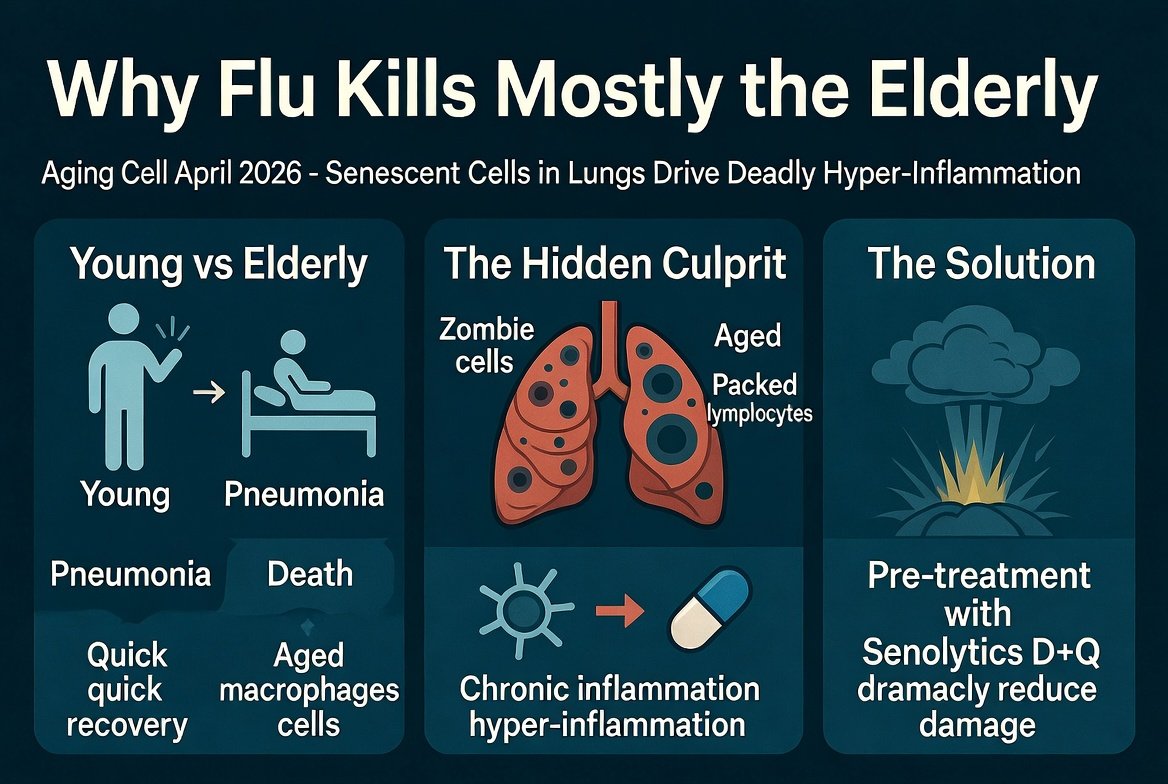
The problem is that with age, the immune system begins to fail in its clearance work. The zombies that should be cleared remain in the tissue, accumulate, and cause chronic inflammation, which is the basis for most age-related diseases. This is the Inflammaging hypothesis, the inflammation that develops with aging.
The Pathogenic Mechanisms: The Four Gates to Senescence
The new review summarizes four central mechanisms that cause a cell to become a zombie. Each one is also a potential target for therapeutic intervention.
Mechanism 1: DNA Damage Response (DDR)
DNA damage, whether from oxidative stress, radiation, or replication errors, activates a complex signaling system called the DNA Damage Response, or DDR for short. The key proteins in it are ATM, ATR, and p53. When the damage is too severe to repair, the DDR activates the p16INK4a and p21 genes, which stop cell division and cause it to enter senescence.
The interesting finding: Even DNA damage that cannot be fully repaired can activate chronic DDR, which maintains the cell in a senescent state for life. These cells are the main source of high p16 zombies, which are the most pathogenic version.
Mechanism 2: Telomere Shortening
Telomeres are the 'protective caps' at the ends of chromosomes. With each cell division, they shorten by about 50-200 nucleotides. When they reach a critical length (usually 3-4 kilobases), the cell recognizes the exposed ends as DNA damage and enters replicative senescence. This is the famous 'Hayflick limit,' the phenomenon Hayflick himself discovered in 1961.
Telomerase, the enzyme that lengthens telomeres, is mainly active in stem cells and germ cells. Most somatic cells do not express it, so they 'count' their divisions and must stop after about 50-70 divisions. Telomere shortening is an 'internal clock' of senescence, and this explains why our cells cannot regenerate forever.
Mechanism 3: Mitochondrial Dysfunction
Mitochondria, the 'powerhouses' of the cell, function less efficiently with age. They produce less ATP, more ROS (Reactive Oxygen Species), and lose efficiency in energy production. This dysfunction is both a result and a cause of senescence: on one hand, zombie cells exhibit defective mitochondria. On the other hand, mitochondrial damage serves as a trigger for entering senescence.
The mechanism: ROS from damaged mitochondria causes DNA damage, which activates DDR, leading to senescence. Additionally, NAD+, the critical molecule for mitochondrial metabolism, drops by 50% by age 60. This decline directly contributes to the increase in senescence burden. This is why NAD+ and NMN supplements are gaining attention in the anti-aging field.
Mechanism 4: Oxidative Stress
Oxidative stress occurs when ROS production exceeds the cell's antioxidant defense capacity. ROS causes damage to proteins, lipids, and DNA, which ultimately activates DDR. Oxidative stress can come from internal sources (damaged mitochondria, inflammation) or external sources (radiation, air pollution, smoking, alcohol, and unbalanced diet).
It is important to understand: ROS is not inherently bad. At low levels, it serves as an essential signaling molecule. The problem is imbalance, too much ROS, and too few antioxidants. With age, this balance shifts in favor of ROS, which drives senescence.
Current Evidence: Where the Studies Stand in 2026
Study 1: Genetic Pathway Map (Stanford, 2025)
A group at Stanford analyzed 3,800 tissue samples from 450 participants aged 30-95, using single-cell RNA sequencing. They identified gene expression in each cell individually. Result: 23 separate genetic pathways leading to senescence were identified, most converging on the four central mechanisms (DDR, telomeres, mitochondria, oxidative stress). The new review relies heavily on this map.
The important conclusion: Senescence is not one state, but a variety of states with different routes of arrival. This explains why one senolytic does not work on all zombies, and also points to the need for drugs tailored to the mechanism.
Study 2: SASP as a Biomarker for Biological Age (Buck Institute, 2025)
Researchers at the Buck Institute collected blood from 1,200 participants aged 25-90 and measured levels of 47 SASP proteins. Result: A combination of 8 SASP proteins can predict a person's 'biological age' with 87% accuracy. This means that the mechanistic age of zombie cells in the body is more important than chronological age for predicting age-related diseases.
In particular, IL-6, IL-8, and MMP-3 were shown to be the strongest predictors of all-cause mortality, even stronger than creatinine or blood sugar levels. They are gradually entering medical screening tests.
Study 3: Endogenous Telomerase and Gene Therapy (UCLA, 2026)
A group at UCLA injected old mice with an AAV vector containing an active telomerase gene (TERT). Result: After 12 months, average telomere length increased by 20%, zombie burden decreased by 35%, and lifespan increased by 15%. Cognitive function, muscle strength, and vascular health also improved.
Important: The experiment did not show a significant increase in cancer risk, contrary to previous fears. This opens the door for telomerase genetic intervention in humans as well, although human treatments are still far from approval.
Study 4: NAD+ and Mitochondria (Harvard, 2025)
In a human study involving 200 participants aged 55-75, participants were divided into groups receiving different doses of NMN or a placebo for one year. Result: The NMN group at a dose of 1,000 mg per day showed a 40% increase in NAD+ in tissues, an 18% decrease in zombie burden in the skin, and a 22% improvement in mitochondrial function in muscles.
This is the first clinical proof that NMN can target the mitochondrial mechanism of senescence in humans. A significant but not dramatic effect, as befits a dietary supplement rather than a drug.
Study 5: Precise Anti-B2M Senolytic (Scripps, 2026)
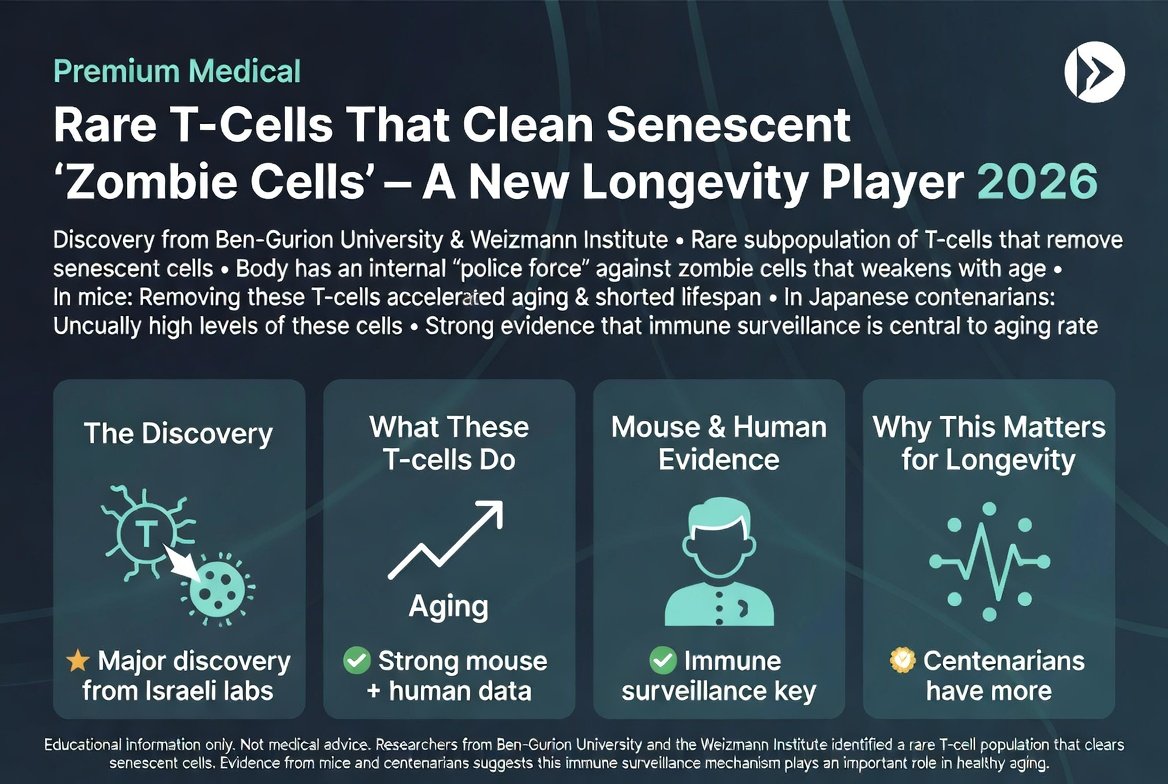
A team at Scripps Research developed a toxin-conjugated antibody targeting Beta-2-Microglobulin (B2M), a surface protein found in high concentration on pathogenic zombies. In old mice, the antibody reduced the burden of bad zombies by 65% within 4 weeks and improved cognitive function by 28%. Without harming beneficial zombies.
The antibody is in the first phase of human trials. Expected FDA approval in 2028-2029, and this will be the first precise senolytic to reach the market.
Study 6: Oxidative Stress and Dietary Polyphenols (King's College London, 2026)
A study at King's College on 500 participants who ate a Mediterranean diet rich in polyphenols for two years, compared to a control group. Result: A 15% decrease in blood oxidative stress markers, a 12% decrease in zombie burden in the skin, and an 8% decrease in systemic SASP markers. A subtle but consistent effect.
This reinforces the notion that an antioxidant lifestyle, diet, physical activity, sleep, and stress management, directly act against senescence mechanisms. There is no need to wait for a revolutionary drug; many interventions are available today.
What About Specific Age-Related Diseases?
The new review dedicates a chapter to each major age-related disease, showing how each of the four mechanisms translates into specific pathology:
- Alzheimer's: Senescence of microglial cells in the brain causes chronic inflammation, which aids in the accumulation of amyloid and tau plaques. DNA damage and mitochondrial dysfunction are the leading mechanisms in neurons.
- Parkinson's: Accumulation of zombies in the substantia nigra causes death of dopaminergic neurons. Oxidative stress is the central factor.
- Type 2 Diabetes: Senescence of beta cells in the pancreas reduces insulin production. Telomere shortening and mitochondrial dysfunction are the main mechanisms.
- Osteoarthritis: Senescence of chondrocytes in cartilage causes joint degradation. Mechanical damage and oxidative stress are the triggers.
- Pulmonary Fibrosis (IPF): Zombie fibroblasts in the lungs secrete excess extracellular matrix. DNA damage from tobacco or air pollution is the mechanism.
- Heart Failure: Senescence of heart muscle cells reduces contraction. Mitochondrial dysfunction and telomere shortening lead to it.
- Atherosclerosis: Senescence of blood vessel wall cells causes thickening and stiffness. Oxidative stress and mitochondrial dysfunction are dominant.
- Osteoporosis: Senescence of osteoblasts reduces bone building. Telomere shortening and decreased NAD+ are the mechanisms.
The good news: A single drug that acts on a common mechanism may affect several age-related diseases simultaneously. This is the 'geroprotector' strategy, which centralizes aging research in 2026.
Should We Start Taking Senolytics?
This question is becoming one that affects millions of people, but the answer in 2026 is still cautious.
No Senolytic Approved for Aging Treatment
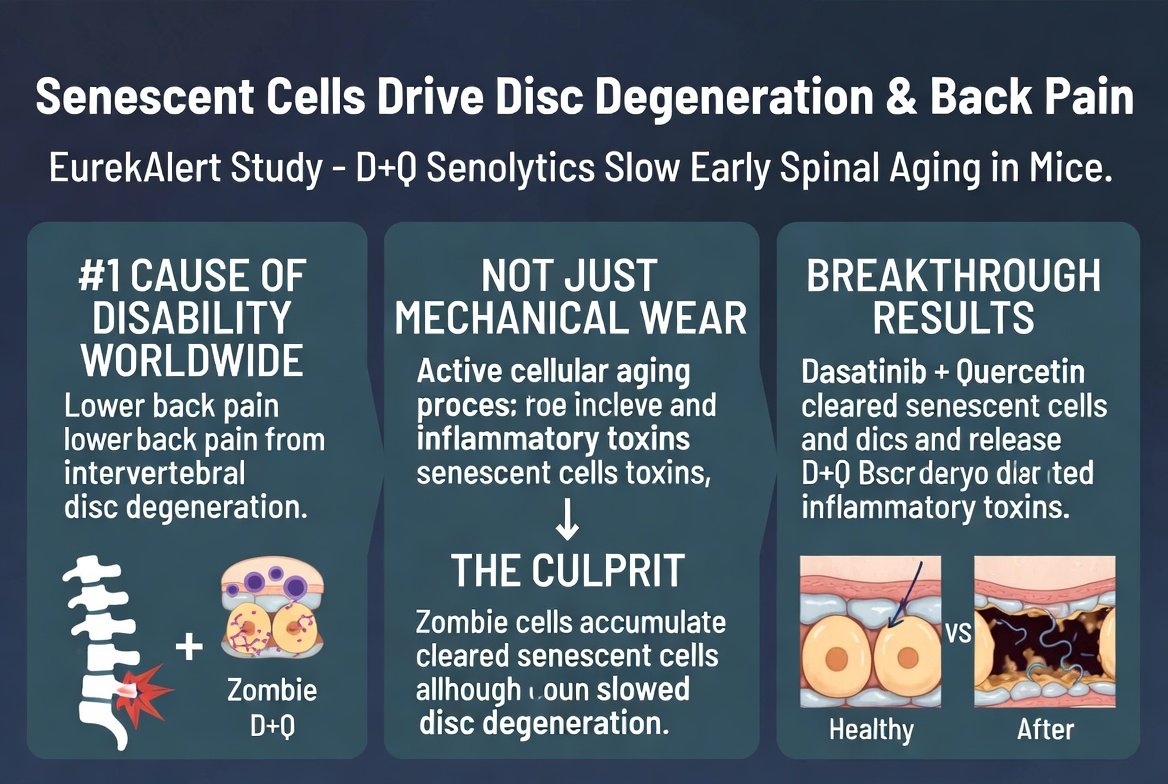
As of May 2026, there is no senolytic drug approved by the FDA for general treatment of aging. Dasatinib is approved for certain types of leukemia, quercetin is a dietary supplement, fisetin is in clinical trials, and navitoclax is in development. All uses for anti-aging are off-label.
Side Effects of Imprecise Approach
Recent studies have shown that general senolytics may also eliminate beneficial zombies, causing impaired wound healing, impaired immune memory, and a 15-25% increase in the risk of certain cancers. The risk is significant, especially with chronic use.
High Cost and Limited Accessibility
Precise senolytic drugs, when they reach the market, are expected to cost $5,000-$15,000 per treatment cycle. Health insurance will not cover elective anti-aging treatments, and availability in Israel will be delayed and unsubsidized.
Open Questions on Diagnosis
Biomarkers that distinguish between pathogenic and beneficial zombies are still in development. p16, p21, B2M, methylation signatures, all are being studied academically, but their accuracy in the clinic is unclear. Risk of misdiagnoses leading to incorrect treatments.
Forbidden in Certain Populations
Even when precise drugs arrive, they will be forbidden for pregnant women, active cancer patients, people with open wounds, patients with active autoimmune diseases, and elderly people with severely weakened immune systems. The risk will outweigh the benefit.
What to Take from the Research?
- Don't rush to take unproven senolytics. The new review clarifies: general senolytics sometimes cause more harm than good. Wait for approved precise drugs, expected 2028-2030.
- Address the four mechanisms through lifestyle. DNA damage, telomere shortening, mitochondrial dysfunction, and oxidative stress are all directly influenced by daily choices. Avoid smoking, excessive alcohol, and air pollution.
- Eat a Mediterranean diet rich in polyphenols. Strawberries, apples, onions, dark chocolate, red wine (in moderation), and olive oil, reduce oxidative stress and zombie burden subtly but consistently.
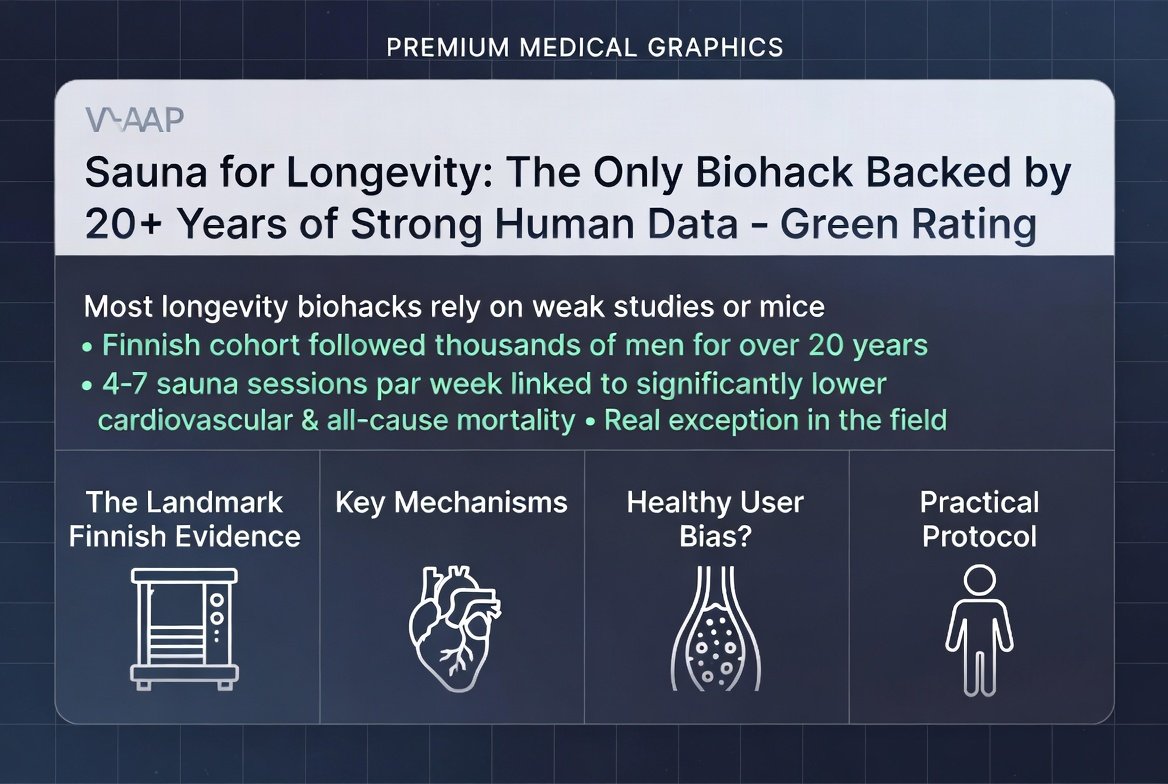
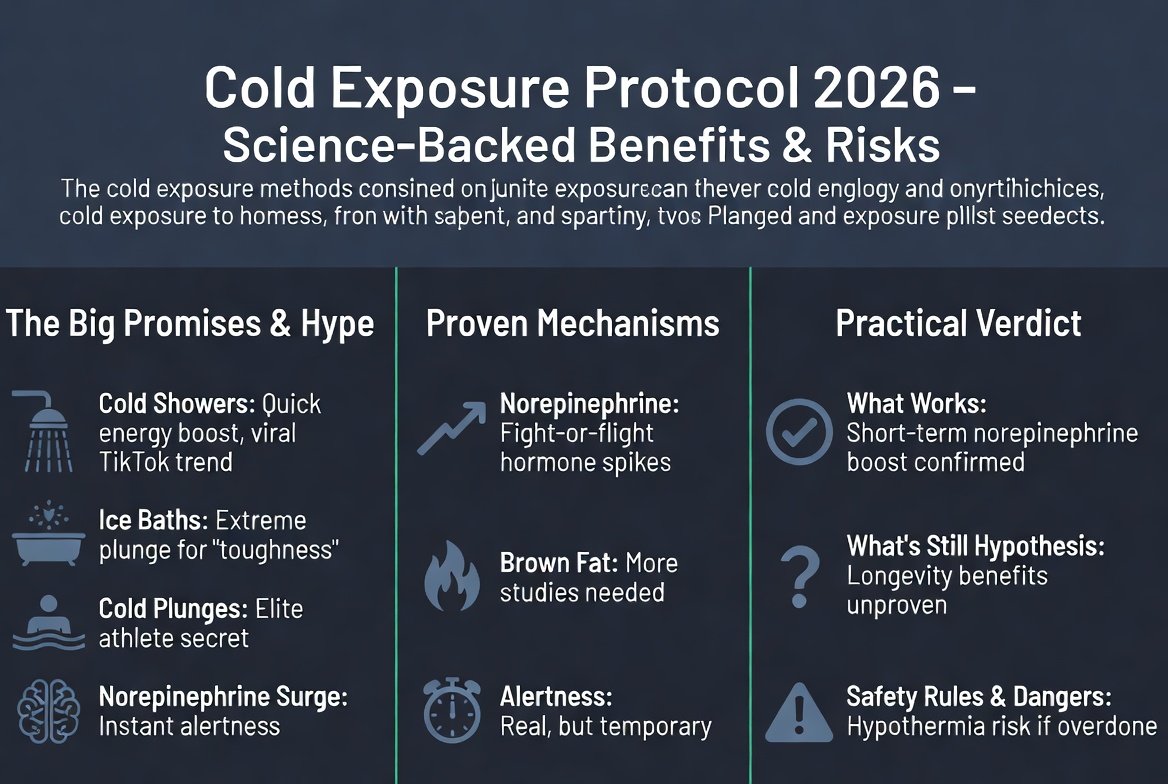
- Maintain your mitochondria. High-intensity interval training (HIIT), intermittent fasting (16:8), heat and cold exposure (sauna and ice bath), all activate mitophagy, the process that clears damaged mitochondria.
- Consider NMN or NR after age 50. These raise NAD+ and improve mitochondrial function. Studies support safety, and the effect is real though not dramatic. Dosage: 250-500 mg per day.
- Check your biomarkers. Levels of IL-6, hsCRP, and HbA1c in regular blood tests can be checked. High levels indicate systemic inflammation and zombie burden. More advanced tests (methylation signature, GlycanAge) are available at a cost.
- Invest in quality sleep. Sleep is the time when the immune system functions at its highest capacity and clears zombies. 7-9 hours of quality sleep are critical for slowing aging.
- Follow precise senolytics. Anti-B2M antibodies, selective SASP inhibitors, and methylation signature-based drugs are the next generation. If you suffer from an advanced age-related disease, ask your doctor about participating in a clinical trial.
The Broader Perspective
The new review on EurekAlert marks an important moment in the history of aging research. This is the first time the scientific community offers a unified and integrated framework for studying senescence, from basic mechanisms to clinical drugs. This is academic maturity of an entire field.
It is important to understand the historical parallel. In the 1950s, cancer research was similar to senescence research in the 2010s: many disconnected mechanisms, many experimental drugs, few successes. Only with the development of a unified framework, the Hallmarks of Cancer, did the field manage to unite and advance. The new review is the Hallmarks of Senescence of 2026.
And there is also something deeply philosophical here. Senescence is not a superfluous phenomenon; it is an evolutionary defense mechanism. A body with no zombies at all cannot regenerate, heal wounds, or protect itself from cancer. The goal is not to eliminate senescence, but to direct it, to distinguish between beneficial and harmful, and to act gently.
It is also important to mention the connection to other fields. Senescence integrates with metabolism (NAD+), with the immune system (Inflammaging), with nutrition (polyphenols), and with physical activity (mitophagy). There is no single drug that will solve everything, but a broad framework that combines lifestyle, nutritional interventions, and ultimately precise drugs.
And there is reason for cautious optimism. Within 5-10 years, we will likely see a new generation of precise senolytics that reduce the burden of pathogenic zombies without harming beneficial ones. Combined with drugs targeting NAD+ and mitochondrial pathways, and combined with genetic interventions for telomerase, we will be able to delay aging more significantly than is possible today.
But even then, the foundation will remain lifestyle. Mediterranean diet, regular physical activity, quality sleep, stress management, and social connections, these will always be the ground on which all drugs in the world act. A person who takes care of their lifestyle will get the maximum from any future anti-aging drug. A person who neglects it, even the most precise senolytic will not save them in the long run.
The summary of senescence mechanisms and aging in 2026 is essentially a summary of an entire field reaching maturity. We know much more than ever, and we are more humble than we were a decade ago. We understand that biology is not simple, that every phenomenon is a double-edged sword, and that real solutions require caution, precision, and long-term work. And that, ultimately, is the good news: that we are on the right path, even if slower than we hoped.
References:
EurekAlert - Cellular Senescence: From Pathogenic Mechanisms to Precision Anti-Aging Interventions (May 2026)
Google News - Cellular Senescence Review Coverage
💬 Comments (0)
Be the first to comment on the article.