NAD+ (Nicotinamide Adenine Dinucleotide) is one of the most fundamental molecules in every cell of the body. Without it, the cell cannot produce energy, repair DNA, or maintain normal function. But it has a troubling characteristic: its levels gradually decline with age. A comprehensive expert review published in Nature Aging in 2025 (and receiving media coverage in March 2026), by more than 25 leading researchers from Oslo, Akershus, and globally, summarizes all current research on NAD+ and what it can do against brain diseases like Alzheimer's and Parkinson's.
Why is NAD+ so important?
NAD+ acts as the "currency" of the cell. Every major energetic action requires it:
- ATP production. This is the cell's fuel. Without NAD+, there is no energy
- DNA repair. PARP enzymes, which repair DNA damage, consume NAD+
- Mitochondrial function. NAD+ is the basis of the metabolic cycle
- Sirtuins. Anti-aging enzymes that depend on NAD+
The decline with age
The researchers document that NAD+ levels in the body's organs decline at a non-uniform rate with age. Brain regions, especially the hippocampus (memory) and the basal ganglia (responsible for movement), lose NAD+ relatively quickly. For this reason, the decline in NAD+ is directly linked to:
- Alzheimer's. Low levels of NAD+ in the brains of patients
- Parkinson's. Decline of dopaminergic neurons that depend on NAD+
- Type 2 diabetes. Decreased insulin sensitivity involves NAD+
- Heart disease. Vascular function depends on NAD+
- Premature aging diseases (Progeria): Particularly low levels
What can be done?
The researchers examined the three main approaches to raising NAD+:
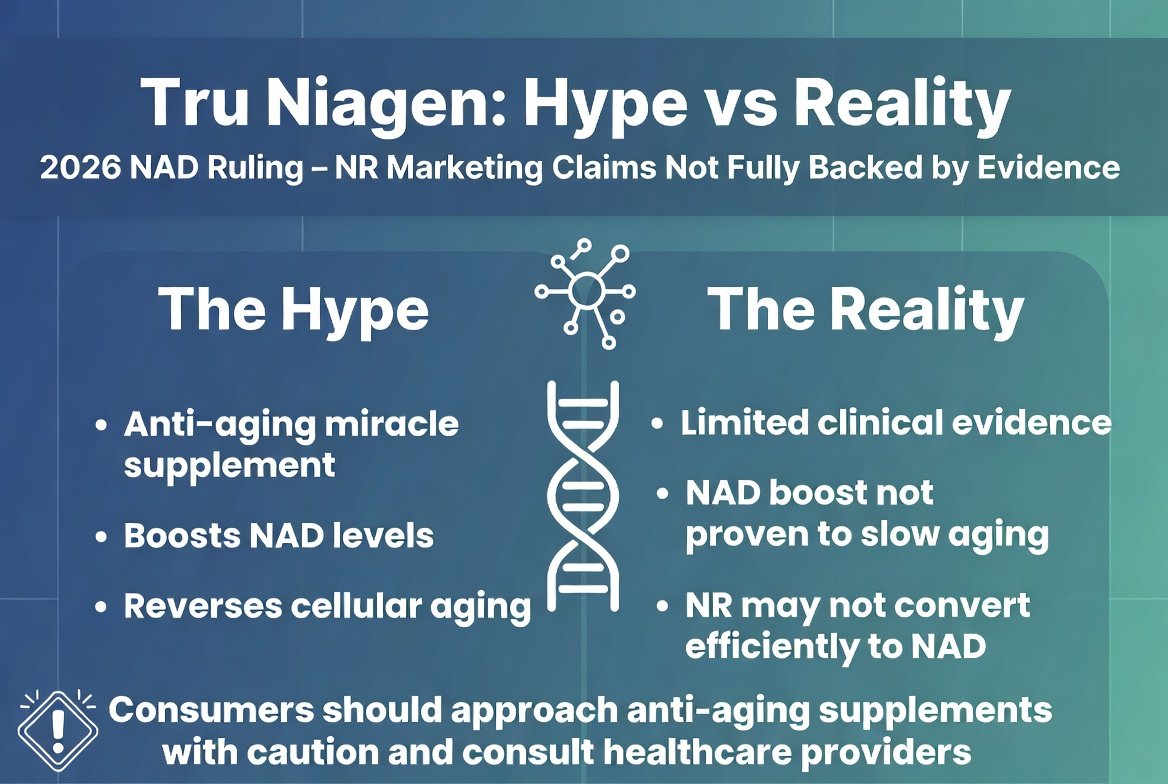
- NR (Nicotinamide Riboside) supplement: A form of vitamin B3 that is converted to NAD+ in the body. Safe, extensively studied
- NMN (Nicotinamide Mononucleotide) supplement: One step closer to NAD+ in the biosynthesis pathway. More popular in recent years
- NAM (Nicotinamide) supplement: Classic vitamin B3. Cheap but considered less effective for some uses
All three have shown promising effects in early studies:
- Improved metabolism
- Improved memory in older adults
- Improved muscle strength and physical function
- Improved insulin sensitivity
The balancing quote
"Targeting NAD+ holds potential to slow healthy aging, and also to treat premature aging diseases. But we need to better understand the correct dosages, long-term safety, and individual variability in response to NAD+ boosting strategies," summarizes Dr. Jianying Zhang, one of the review's authors.
What is still unknown?
The review honestly notes several areas that are still unclear:
- Crossing the blood-brain barrier. How much of the supplements actually reach the brain? Still unclear
- Long-term. There are no trials following users for over 5-10 years
- Individual variability. Some people respond strongly, some not at all. Why?
- Optimal dosages. 250 mg? 1000 mg? Unclear
- Interaction with medications. Especially the connection with supplements in cancer patients (as discussed in other research)
Who should take it?
Based on the review, populations that may benefit:
- People over 50 who feel a decline in energy
- Type 2 diabetes patients (possible improvement in insulin sensitivity)
- People with a family history of Alzheimer's/Parkinson's
Populations that should be cautious:
- Active cancer patients (see previous Case Western research)
- Pregnant women
- People taking certain medications (consult a doctor)
The bottom line
NAD+ is one of the most promising fields in aging research. The new review in Nature Aging confirms the direction, but also warns: it is still a developing field. If you are considering an NR or NMN supplement, do so with knowledge, not inflated expectations. Combine them with physical activity, a Mediterranean diet, and quality sleep—these are the ways already proven to raise NAD+ naturally.


💬 Comments (0)
Be the first to comment on the article.