In the 2000s, resveratrol was the undisputed star of the anti-aging world. Every podcast, every blog, and every advertisement talked about the molecule in red wine, the one that, according to labs, activates sirtuin enzymes and extends lifespan in mice. Then came the disappointment: the human body absorbs less than 20% of ingested resveratrol and breaks down most of it within minutes. Big promise, weak performance.
This is precisely where pterostilbene enters the picture. It is a molecule nearly identical to resveratrol, with only two small chemical changes, but these changes change everything. They make the molecule more stable, more fat-soluble, and more resistant to breakdown in the liver. The result: four times higher bioavailability, and this is why longevity researchers began calling pterostilbene the 'potent cousin' of resveratrol.
What is Pterostilbene?
Pterostilbene is a natural compound from the stilbenoid family, the same family to which resveratrol belongs. It is found mainly in blueberries, grapes, and the bark of certain trees. Chemically, it is the dimethylated derivative of resveratrol: two hydroxyl groups are replaced by methoxy groups.
- Analog of resveratrol: Nearly the same molecular skeleton, with the addition of two methyl groups.
- More fat-soluble: About 4 times higher lipophilicity, allowing it to penetrate cell membranes and the blood-brain barrier better.
- More resistant to breakdown: The two methyl groups protect it from the liver enzymes that rapidly break down resveratrol.
- Scarce natural source: The concentration in blueberries is very low, so a concentrated supplement is the only practical way to reach an active dose.
In simple terms: if resveratrol is a good molecule that the body doesn't know how to utilize, pterostilbene is that same molecule after an engineering upgrade that made it bioavailable.
The Connection to Longevity: The Sirtuin Mechanism
The reason pterostilbene interests longevity researchers is that it acts on the same pathways that made resveratrol famous, but with higher efficiency. Three central mechanisms:
Activation of Sirtuins (SIRT1): Sirtuins are a family of enzymes linked to DNA repair, inflammation regulation, and metabolism. Pterostilbene is studied as an activator of the sirtuin pathway, the same pathway also activated by caloric restriction, one of the few interventions proven to extend lifespan in animals.
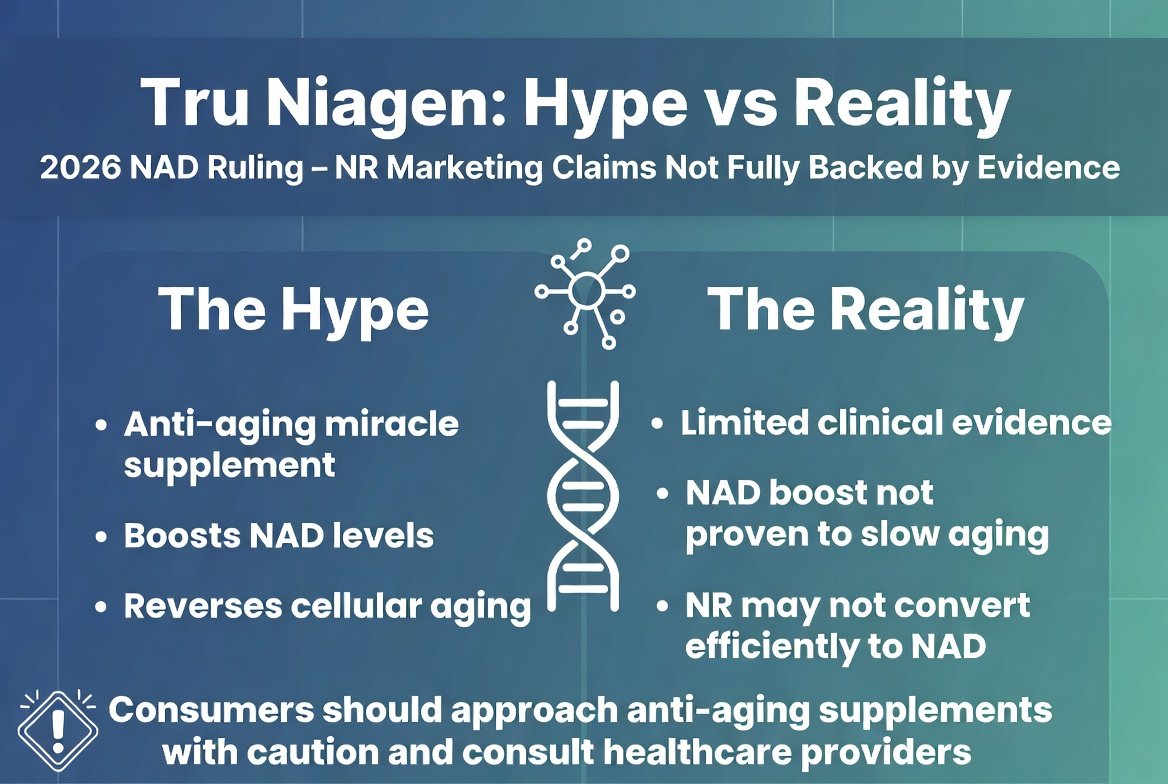
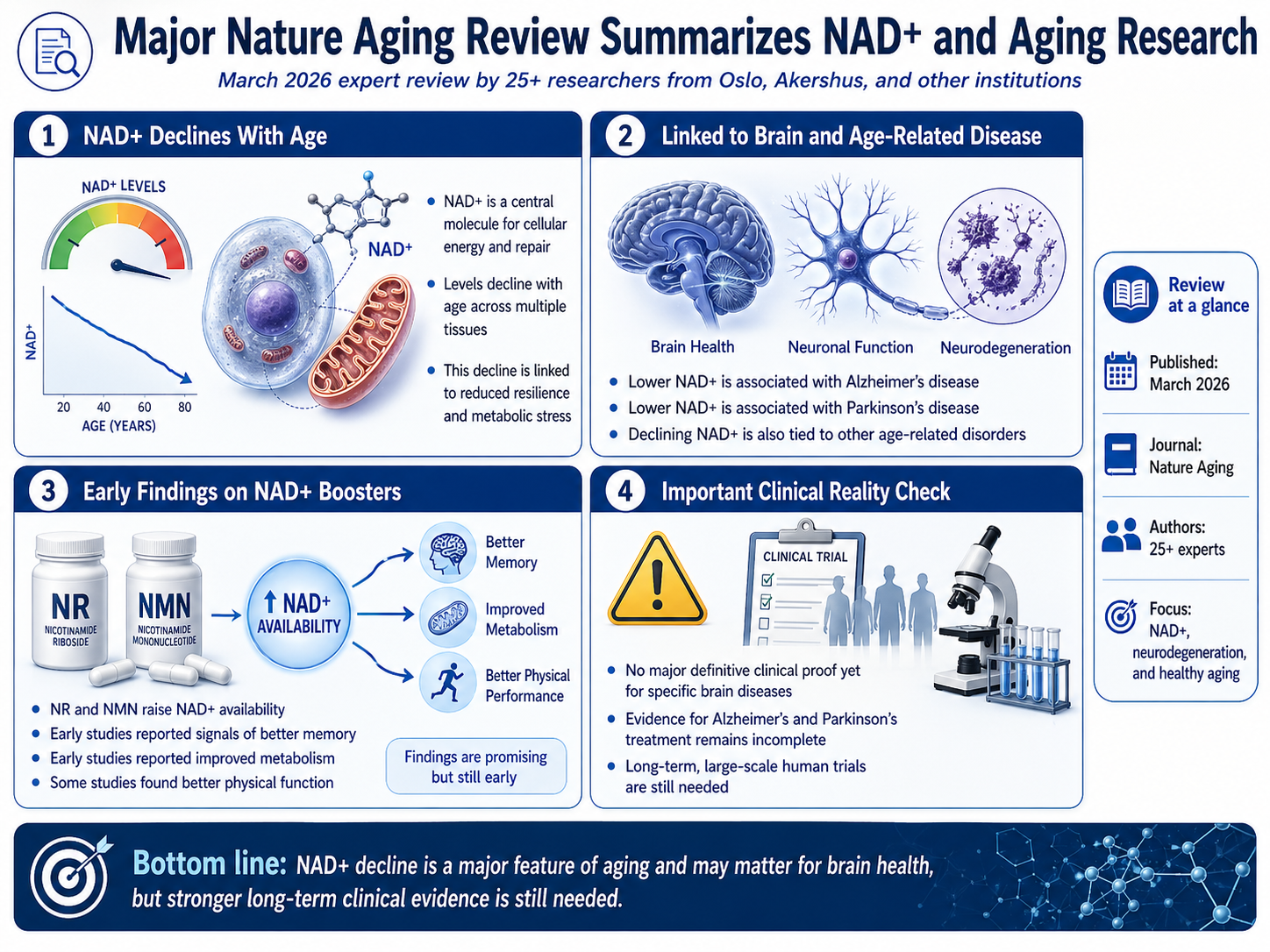
Synergy with NAD: Here lies the logic behind the popular combination of pterostilbene with NMN and NR. Sirtuins require NAD to function. NMN and NR supplements raise NAD levels, and pterostilbene provides the stimulus to the sirtuin itself. The two are considered a complementary pair: fuel on one side, a spark on the other.
Antioxidant and Anti-inflammatory Activity: Like many polyphenols, pterostilbene reduces oxidative stress and suppresses cellular inflammatory pathways. Accelerated aging is closely linked to 'low-grade chronic inflammation', the phenomenon science calls inflammaging, and polyphenols like pterostilbene are studied as its suppressors.
Current Evidence
Study 1: Bioavailability, Kapetanovic 2010
This is the study that turned pterostilbene from an esoteric molecule into a rising star. The researchers directly compared the pharmacokinetics of pterostilbene and resveratrol in animal models. The results were dramatic: the oral bioavailability of pterostilbene reached about 80%, compared to only about 20% for resveratrol. The peak blood concentration of pterostilbene was 11 to 14 times higher. A separate pharmacokinetic study in rats (Remsberg et al., 2008) found its half-life was longer, about 105 minutes compared to only 14 minutes for resveratrol. The conclusion: at the same dose, pterostilbene reaches active levels that resveratrol simply cannot achieve.
Study 2: Blood Pressure and Cholesterol, Riche 2013
This was the first controlled clinical trial in humans focusing on pterostilbene itself. 80 patients with high cholesterol were divided into groups: pterostilbene 125 mg twice daily, 50 mg twice daily, a combination with grape extract, or placebo, for 6 to 8 weeks. The results showed a complex picture: at the high dose, pterostilbene lowered systolic blood pressure by 7.8 mmHg and diastolic blood pressure by 7.3 mmHg, a clinically significant reduction. But in the same breath, pterostilbene raised LDL by 17.1 mg/dL. When combined with grape extract, the LDL increase was mitigated. On the positive side: safety analysis showed no adverse effects on liver function, kidney function, or blood sugar.
Study 3: Combination with NR and NAD Elevation, Dellinger 2017
This trial tested a commercial combination of nicotinamide riboside (NR) with pterostilbene, called NRPT. 120 healthy adults aged 60 to 80 were divided into placebo, recommended dose (250 mg NR with 50 mg pterostilbene), or double dose (500 mg NR with 100 mg pterostilbene), for 8 weeks. The recommended dose raised blood NAD levels by about 40%, and the double dose by about 90%. This is important evidence that the combination successfully raises NAD safely and stably. However, a slight increase in cholesterol was also observed in the treatment group, mainly in those with high BMI.
What About Metabolic and Brain Function?
Beyond longevity, pterostilbene is studied in several other directions. Thanks to its good penetration of the blood-brain barrier, it has been tested in preclinical models for cognitive function and neuroprotection, although human evidence is still scarce. In the metabolic field, animal model studies have indicated improvements in insulin sensitivity and blood lipid profiles, findings that still await confirmation in large human trials. It is important to separate the promise in the lab from the proof in the clinic: most impressive data come from cells and mice, not humans.
Should You Start Taking Pterostilbene?
This is the question for which we rated pterostilbene as yellow, promising but not sufficiently proven. Here are the considerations to weigh before starting:
- The LDL issue: Two human trials showed an increase in 'bad' cholesterol. For people with high cholesterol or cardiovascular risk, this is a point requiring blood monitoring and consultation with a doctor.
- Lack of long-term studies: Most trials lasted 6 to 8 weeks. We have no data on years of use, and longevity is by definition a long-term game.
- Cost: Pure pterostilbene costs between 80 and 180 shekels per month, depending on dose and brand. Combinations with NR are more expensive.
- Interactions: Similar to resveratrol, there may be interactions with anticoagulants and with drugs metabolized by the liver. It is mandatory to check with a pharmacist.
The bottom line: Pterostilbene is not a miracle drug, but it is one of the more established polyphenols in terms of bioavailability, and the data on blood pressure and NAD elevation are genuinely interesting.
What to Take Away from the Research?
- A reasonable dose is 50-100 mg per day. This is the range tested in human trials. There is no need or justification for higher doses without medical supervision.
- Combination with NR or NMN is mechanistically logical. Sirtuins need NAD, and pterostilbene alone does not provide it. If the goal is sirtuin pathway activation, the combination utilizes both arms.
- Check your lipid profile before and after. Given the findings on LDL, anyone starting pterostilbene should get a baseline blood test and a follow-up test after 8 to 12 weeks.
- Don't neglect the basics. Sleep, strength training, quality protein, and stress management affect the same metabolic pathways, for free and without side effects.
- Choose a product with high-purity pterostilbene. To purchase pterostilbene on iHerb you can find standardized brands with a certificate of analysis.
The Broader Perspective
The story of pterostilbene is a reminder of a fundamental principle in the supplement world: A good molecule is worthless if the body doesn't know how to absorb it. Resveratrol failed not because its mechanism is wrong, but because its pharmacokinetics are harsh. Pterostilbene solves precisely that problem, and this is why it represents a real leap forward, not just a marketing one.
But high bioavailability is a double-edged sword: it increases potential benefit, but also unwanted effects, like the rise in LDL. Pterostilbene is an excellent example of a supplement that sits exactly in the gray area: promising enough to justify interest, yet still far from the certainty that justifies a blanket recommendation. If you want to build a personalized supplement protocol for longevity, you are welcome to start with our personal supplement selector, and check which supplements are right for you.
The message to remember: In the world of longevity, bioavailability is no less important than the molecule itself, and pterostilbene has proven that sometimes two small chemical changes are worth more than a decade of hype.
References:
Riche et al., Analysis of Safety from a Human Clinical Trial with Pterostilbene, Journal of Toxicology, 2013
Kapetanovic et al., Pharmacokinetics, oral bioavailability, and metabolic profile of resveratrol and its dimethylether analog, pterostilbene, in rats, Cancer Chemother Pharmacol, 2010
Dellinger et al., Repeat dose NRPT increases NAD+ levels in humans safely and sustainably, NPJ Aging and Mechanisms of Disease, 2017


💬 Comments (0)
Be the first to comment on the article.