The longevity supplement industry is worth about $5 billion a year (the broader anti-aging market, including cosmetics and devices, is estimated at $60 to $90 billion). Every morning, an Instagram post or podcast pops up promising you a new magic supplement that will turn you into a 30-year-old at age 60. The problem: most of these supplements haven't undergone serious clinical research, or if they have, their effects are negligible. A comprehensive report published on MSN, based on a review of evidence by gerontology and pharmacology experts, distinguishes between what actually works and what you're simply wasting money on.
10 Supplements Not Worth the Money
1. Oral Collagen
Sold as a supplement for skin, joints, and hair. It's true that collagen is a large protein that breaks down into amino acids and small peptides in the digestive system, so the body doesn't "transfer" it directly to the skin. Nevertheless, meta-analyses of dozens of controlled studies indicate a modest but significant improvement in skin hydration and elasticity from using hydrolyzed collagen peptides. However, for joint health and longevity, the evidence is weak to non-existent. In other words: not magic, not completely worthless - moderate benefit for skin only, at a high price.
2. Standard-Dose Resveratrol
This is the supplement that "discovered" anti-aging following research on red wine. The problem: the dose needed to achieve an effect in animal studies is equivalent to 1,000 glasses of wine a day. Standard supplements contain 100-500 mg - well below the effective level. Oral bioavailability is also very low.
3. Vitamin E as a Separate Supplement
Once considered a life-saving antioxidant. A meta-analysis of dozens of studies showed increased mortality in users of high-dose supplements compared to control groups. Vitamin E from food - excellent. As a high-dose supplement - dangerous.
4. Generic Antioxidants ("Everything-in-One")
Supplements containing a mixture of 30 different antioxidants. The body doesn't need every antioxidant - some actually interfere with cellular repair processes. Low-dose free radicals are cellular signaling molecules. Their aggressive destruction harms hormesis - the adaptation process to stress that strengthens cells. High doses of antioxidants have even been shown to blunt the positive adaptation to physical activity.
5. Ginseng as a Daily Supplement
Ginseng is excellent for short-term results (energy, concentration). But there is no solid evidence it affects longevity in humans. Most studies are short-term and have small sample sizes.
6. Oral Glutathione
Sold as the "master antioxidant." The problem: glutathione is destroyed in the digestive system. An oral supplement hardly reaches the bloodstream. Expensive IV glutathione injections are also unproven to improve longevity.
7. Ginkgo Biloba
Sold for memory and cognitive function. A 2012 meta-analysis (Laws et al., Human Psychopharmacology) on about 1,100 healthy participants: no significant effect on memory, attention, or executive function in healthy adults.
8. Excessive Selenium Supplements
Selenium is needed in tiny amounts - 55 mcg per day. Doses above 200 mcg per day have been shown to increase the risk of type 2 diabetes. Most Israelis get enough from their diet.
9. "DNA Supplements" and Commercial Genetic Tests
Companies like 23andMe sell "personalized supplements for your DNA." There is no scientific evidence that their dietary recommendations are based on more solid data than general advice.
10. Coconut Oil as a Health Supplement
Coconut oil is about 82% saturated fat (according to the American Heart Association). The AHA and the Gerontological Society say it clearly: there is no evidence that a supplement of it is beneficial for longevity. It is more harmful than good for the heart. Olive oil? Completely different - it is actually recommended.
10 Supplements That Actually Work
1. Vitamin D
Deficiency is especially common in older populations (in Israel, despite the sun - due to less time outdoors). Solid evidence for bone health, immune system, and mood. 1000-2000 IU per day is safe and beneficial.
2. Omega-3 (EPA + DHA)
Anti-inflammatory, protects the brain and heart. The large VITAL study showed a reduction in total heart attacks (myocardial infarction), although it did not reduce overall mortality and did not meet the primary cardiovascular endpoint. Dose: 1-2 grams EPA+DHA per day. Preferably from high-quality fish oil or algae.
3. Magnesium
Essential for 300 enzymes in the body. Deficiency is common in older adults, manifesting as fatigue, cramps, poor sleep. 300-400 mg per day of magnesium citrate or glycinate (not oxide).
4. Creatine
Has become the most scientifically established sports supplement. Studies also show cognitive benefits in older adults. Helps prevent sarcopenia. 3-5 grams per day, daily.
5. NMN / NR
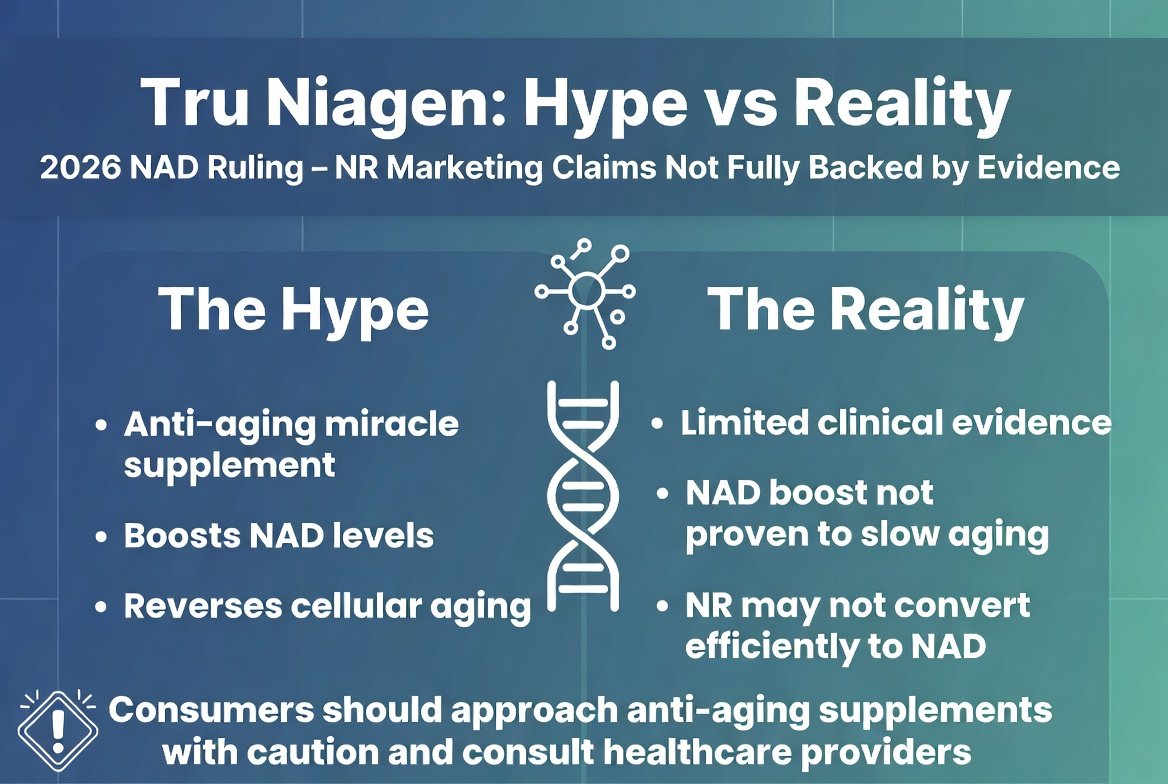
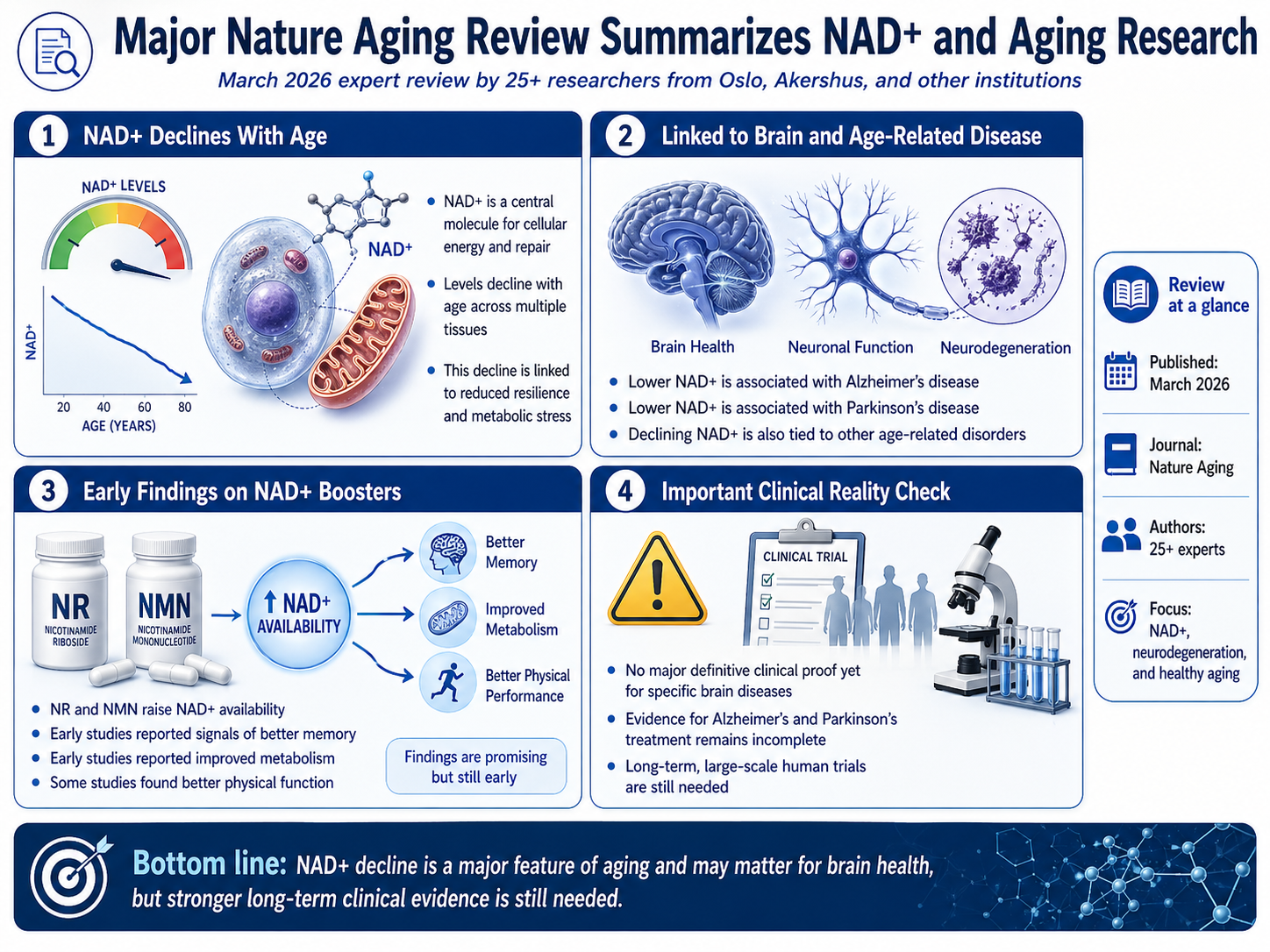
Controversial but with solid animal evidence, and beginning to show promising human results. Restores cellular NAD+. Dose: 250-500 mg per day. An expensive supplement but with a scientific basis.
6. Vitamin B12
Deficiency in 15% of people over 60 (decreased absorption). Essential for the brain and immune system. 500-1000 mcg per day in older adults, even without a blood test, is safe and effective.
7. Calcium (When Deficient)
Recommended only when proven dietary deficiency exists. Check based on diet - if less than 1000 mg per day from food, then consider a 500 mg supplement. Must be combined with vitamin D.
8. Melatonin
In low doses (0.3-1 mg) improves sleep quality. Effectiveness increases with age (over 55) because our bodies produce less. Quality sleep = significant anti-aging benefit.
9. Specific Probiotics
Not all probiotics. Defined strains (like Lactobacillus rhamnosus GG, Bifidobacterium lactis) show solid benefits. Effects on systemic inflammation, mood (gut-brain axis), and immune health.
10. Folic Acid
Especially essential after age 50 - deficiency is linked to increased homocysteine, a risk factor for stroke and Alzheimer's. 400 mcg per day is safe. Preferably in methylfolate form for those with MTHFR genetic variants.
How to Identify a Worthy Supplement Yourself
- Look for meta-analyses, not individual studies. PubMed is your friend.
- Large number of participants: A group of 30 people is not enough.
- Human studies, not just mice.
- Placebo-controlled: Studies without a placebo aren't worth much.
- Supplement quality: Reputable companies with third-party testing (USP, ConsumerLab).
- Beware of promises: Anything that "reverses aging" - be suspicious.
The Bottom Line
Dietary supplements are not magic. They complement good nutrition and physical activity, not replace them. If you're spending more than $50-75 a month on supplements, you're likely paying for marketing, not science. Investing in the 10 supplements that work will cost you about $25-30 a month and provide maximum benefit.
Note: All information is for educational purposes only. Consult a doctor before starting supplements, especially if you have underlying conditions or are taking medications.

💬 Comments (0)
Be the first to comment on the article.