NAD+ (Nicotinamide Adenine Dinucleotide) הוא אחת המולקולות הבסיסיות ביותר בכל תא בגוף. בלעדיו, התא לא יכול לייצר אנרגיה, לתקן DNA, או לשמור על תפקוד תקין. אבל יש לו תכונה מטרידה: רמותיו יורדות בהדרגה עם הגיל. סקירת מומחים מקיפה שפורסמה ב-Nature Aging בשנת 2025 (וזכתה לסיקור תקשורתי במרץ 2026), של יותר מ-25 חוקרים מובילים מאוסלו, אקרשהוס, וגלובל, מסכמת את כל המחקר העדכני על NAD+ ומה הוא יכול לעשות כנגד מחלות מוח כמו אלצהיימר ופרקינסון.
למה NAD+ חשוב כל כך?
NAD+ פועל כ-"שטר הכסף" של התא. כל פעולה אנרגטית גדולה דורשת ממנו:
- ייצור ATP. זה הדלק של התא. בלי NAD+, אין אנרגיה
- תיקון DNA. אנזימים PARP, שמתקנים נזקי DNA, צורכים NAD+
- תפקוד מיטוכונדריאלי. NAD+ הוא בסיס המעגל המטבולי
- סירטואינים (sirtuins). אנזימים אנטי-אייג'ינג שתלויים ב-NAD+
הירידה עם הגיל
החוקרים מתעדים שרמות NAD+ באיברי הגוף יורדות בקצב לא-אחיד עם הגיל. אזורי המוח, ובמיוחד ההיפוקמפוס (זיכרון), והמרכז המוח (basal ganglia, שאחראי על תנועה), מאבדים NAD+ במהירות יחסית. מסיבה זו, הירידה ב-NAD+ קשורה ישירות ל:
- אלצהיימר. רמות נמוכות של NAD+ במוח של חולים
- פרקינסון. דעיכה של נוירונים דופמינרגיים שתלויים ב-NAD+
- סוכרת מסוג 2. ירידה ברגישות אינסולין כרוכה ב-NAD+
- מחלות לב. תפקוד וסקולרי תלוי ב-NAD+
- מחלות הזדקנות מוקדמת (פרוגריה): רמות נמוכות במיוחד
מה אפשר לעשות?
החוקרים בחנו את שלוש הגישות העיקריות להעלאת NAD+:
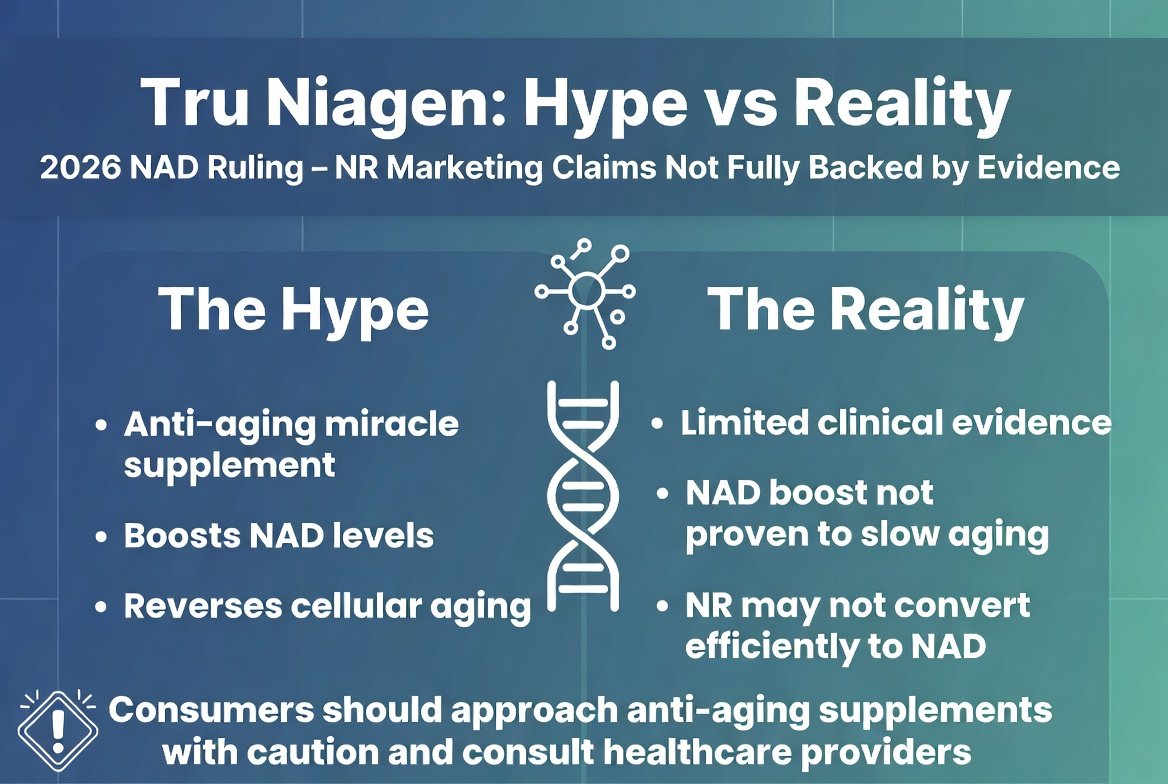
- תוסף NR (Nicotinamide Riboside): צורת ויטמין B3 שמומרת ל-NAD+ בגוף. בטיחותית, נחקרת בהרחבה
- תוסף NMN (Nicotinamide Mononucleotide): צעד אחד קרוב יותר ל-NAD+ במסלול הביוסינתזה. פופולרי יותר במהלך השנים האחרונות
- תוסף NAM (Nicotinamide): ויטמין B3 קלאסי. זול אבל נחשב פחות יעיל לחלק מהשימושים
כל השלושה הראו במחקרים מוקדמים השפעות מבטיחות:
- שיפור במטבוליזם
- שיפור בזיכרון בקרב מבוגרים
- שיפור בכוח שריר ותפקוד פיזי
- שיפור ברגישות אינסולין
הציטוט המאזן
"כיוון של NAD+ מחזיק בפוטנציאל להאט הזדקנות בריאות, וגם לטפל במחלות הזדקנות מוקדמות. אבל אנחנו צריכים להבין טוב יותר את המינונים הנכונים, את הבטיחות בטווח הארוך, ואת השונות האישית בתגובה לאסטרטגיות הגברה של NAD+", מסכם ד"ר Jianying Zhang, אחד מכותבי הסקירה.
מה עדיין לא יודעים?
הסקירה מציינת בכנות מספר אזורים שעוד לא ברורים:
- חוצי מחסום הדם-מוח. כמה מהתוספים מגיעים בפועל למוח? עדיין לא ברור
- טווח ארוך. אין ניסויים שעוקבים אחרי משתמשים מעל 5-10 שנים
- שונות אישית. חלק מאנשים מגיבים מאוד, חלק לא בכלל. למה?
- מינונים אופטימליים. 250 מ"ג? 1000 מ"ג? לא ברור
- אינטראקציה עם תרופות. במיוחד הקשר עם תוספים אצל חולי סרטן (כפי שנדון במחקר אחר)
למי כדאי לקחת?
על בסיס הסקירה, אוכלוסיות שיכולות להפיק תועלת:
- אנשים מעל גיל 50 שמרגישים ירידה באנרגיה
- חולי סוכרת מסוג 2 (ייתכן שיפור ברגישות אינסולין)
- אנשים עם היסטוריה משפחתית של אלצהיימר/פרקינסון
אוכלוסיות שצריכות זהירות:
- חולי סרטן פעיל (ראו מחקר Case Western קודם)
- נשים בהריון
- אנשים שלוקחים תרופות מסוימות (התייעץ עם רופא)
השורה התחתונה
NAD+ הוא אחד התחומים הכי מבטיחים במחקר ההזדקנות. הסקירה החדשה ב-Nature Aging מאשרת את הכיוון, אבל גם מזהיר: זה עדיין שדה מתפתח. אם אתם שוקלים תוסף NR או NMN, עשו זאת מתוך ידע, לא ציפיות מנופחות. שלבו אותם עם פעילות גופנית, תזונה ים-תיכונית, ושינה איכותית, אלה הדרכים שכבר הוכחו להעלות NAD+ באופן טבעי.





















💬 תגובות (0)
היו הראשונים להגיב על המאמר.