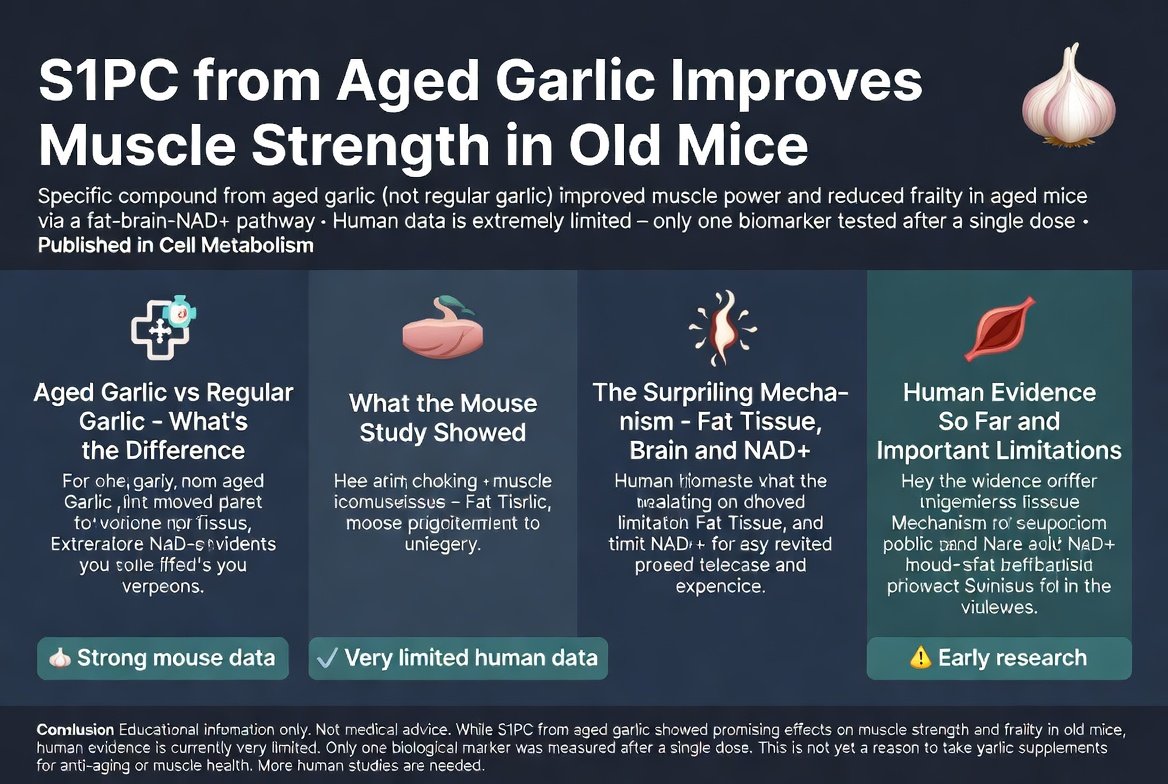
Aged Garlic Compound for Muscles: Does S1PC Slow Sarcopenia?
Garlic has been considered a medicinal spice for thousands of years, but this time it's about something more specific: a compound called S1PC derived ...
Muscles, proteins and amino acids
Garlic has been considered a medicinal spice for thousands of years, but this time it's about something more specific: a compound called S1PC derived ...
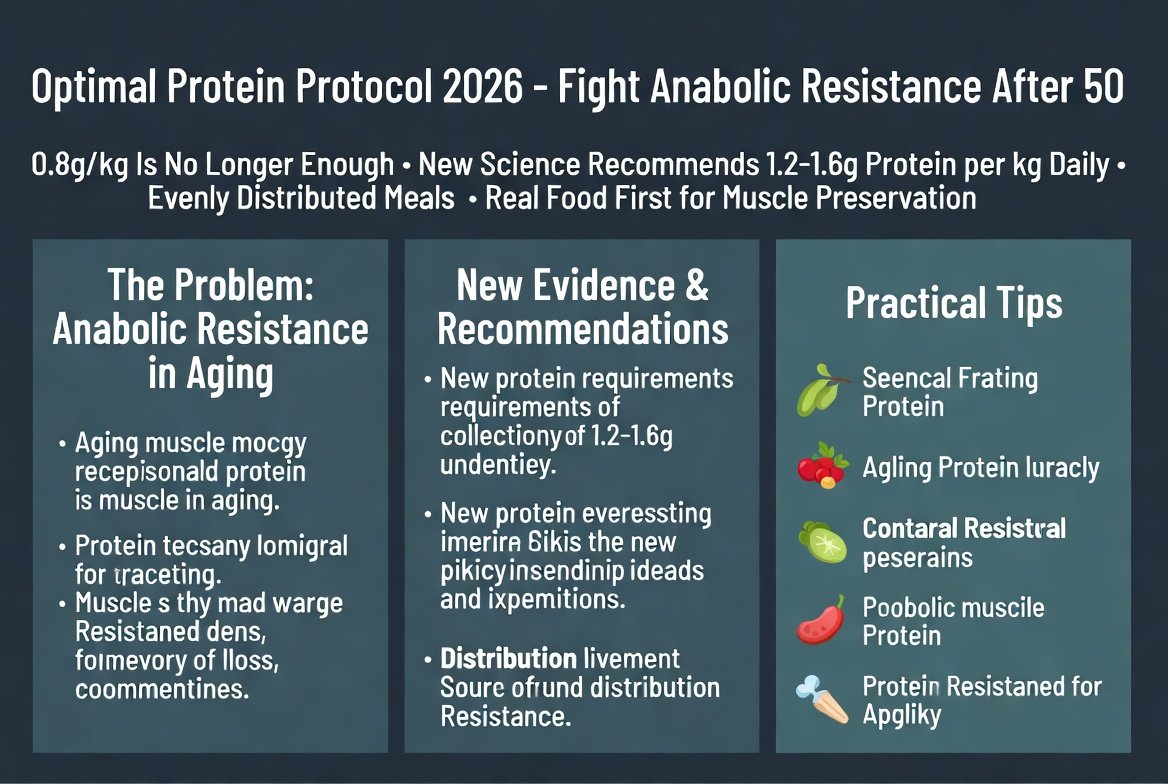
For decades, we were told that 0.8 grams of protein per kilogram is enough for everyone. Current science tells a different story: as we age, muscles b...
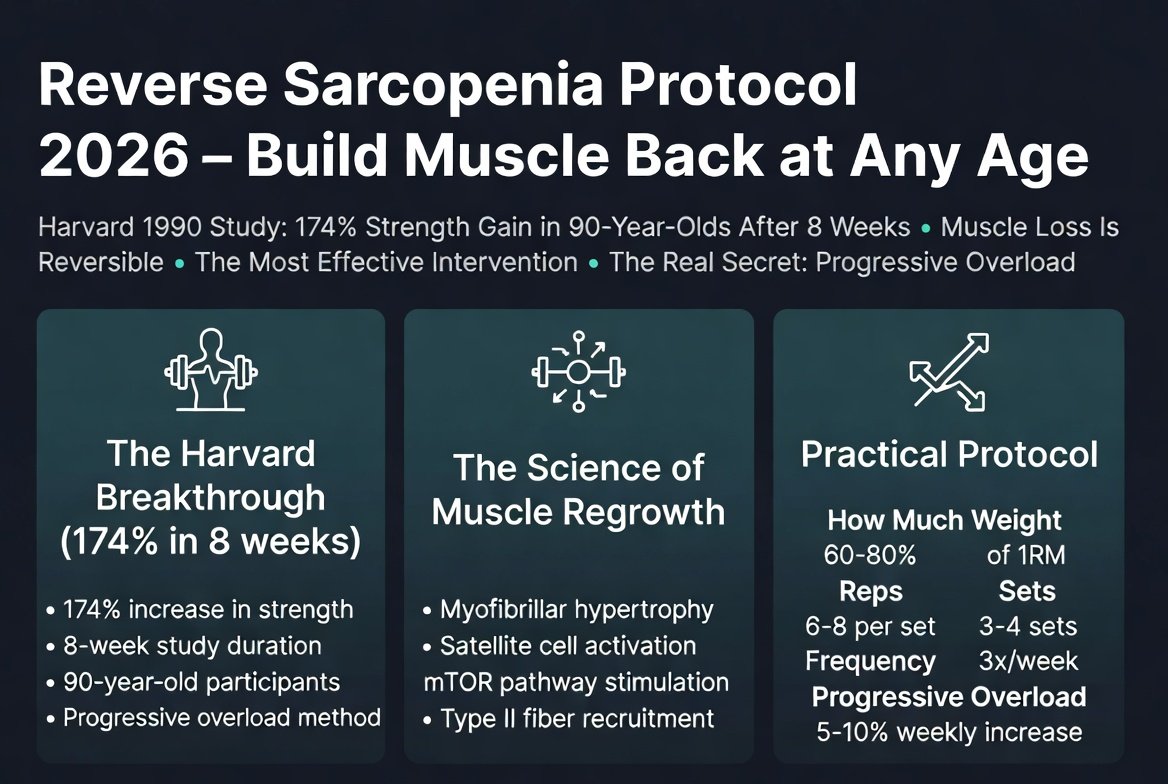
Most people think muscle loss with age is a biological inevitability. It is not. In 1990, a group of researchers from Harvard took nursing home reside...
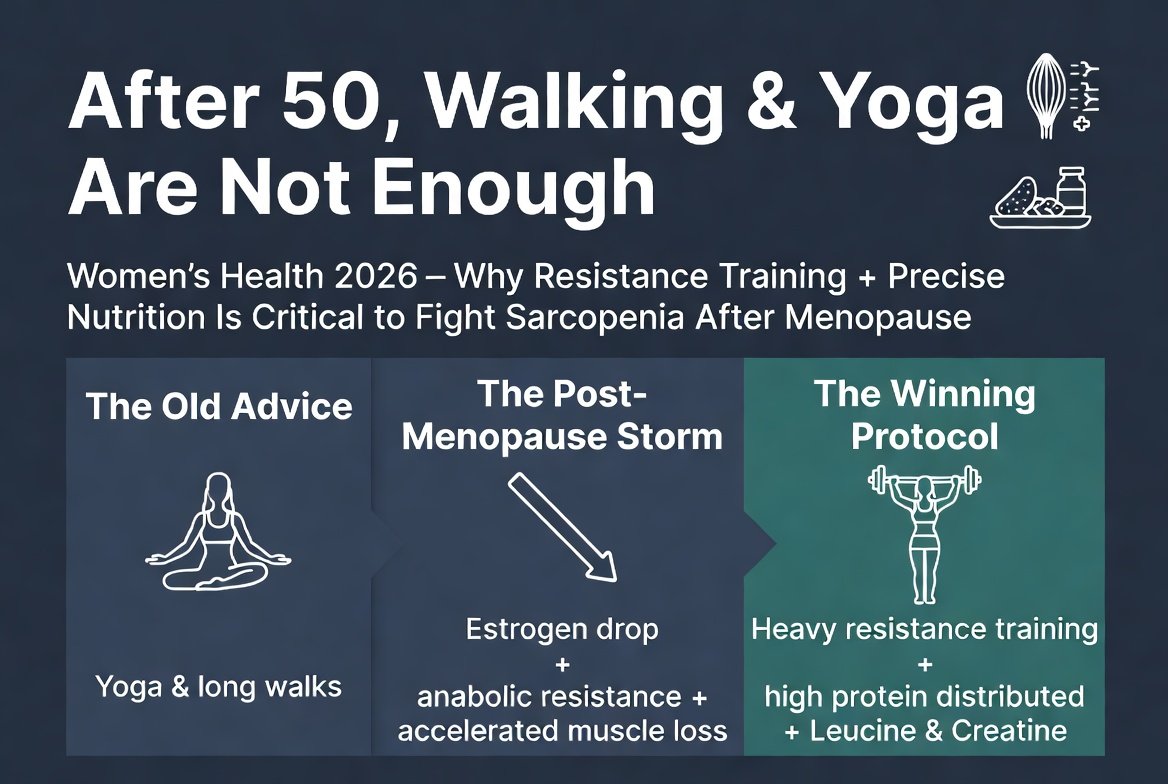
For years, women over 50 were told that the most important things were to sweat in yoga and take long walks. Then it turned out that such advice, prec...
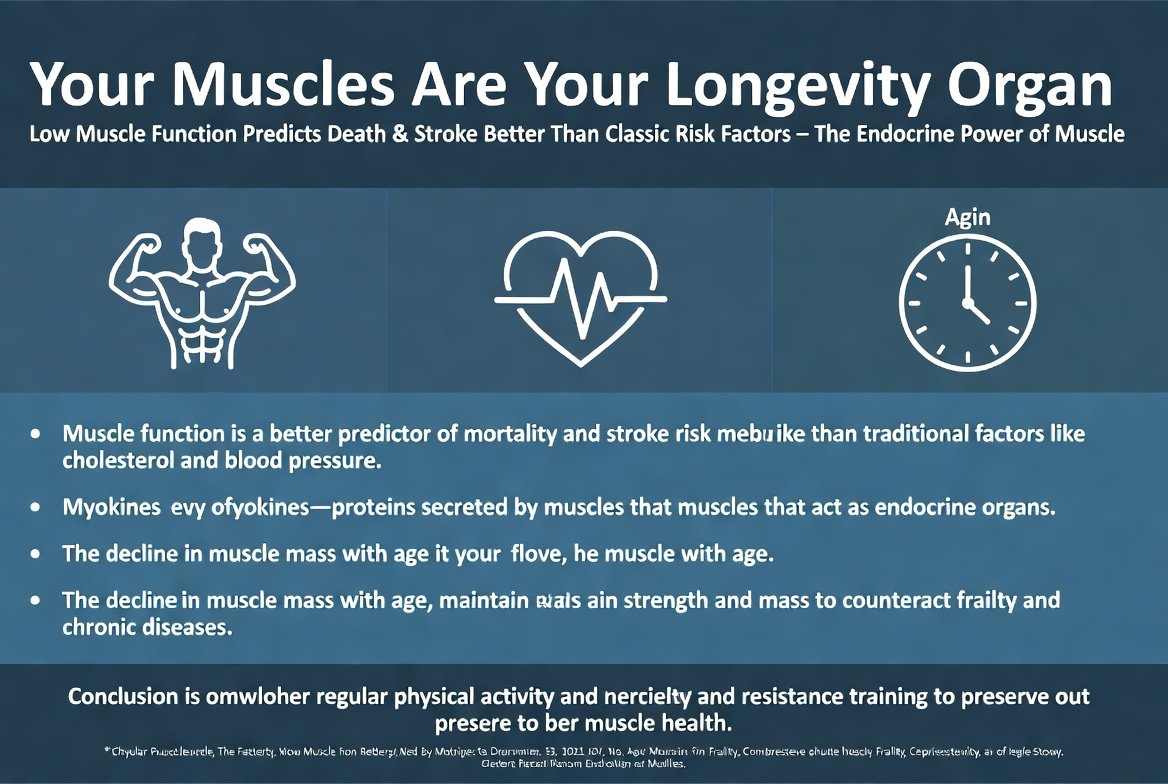
For decades, we were marketed the muscle as a cosmetic tool, or as a project for athletes. But a wave of new research completely changes the picture: ...
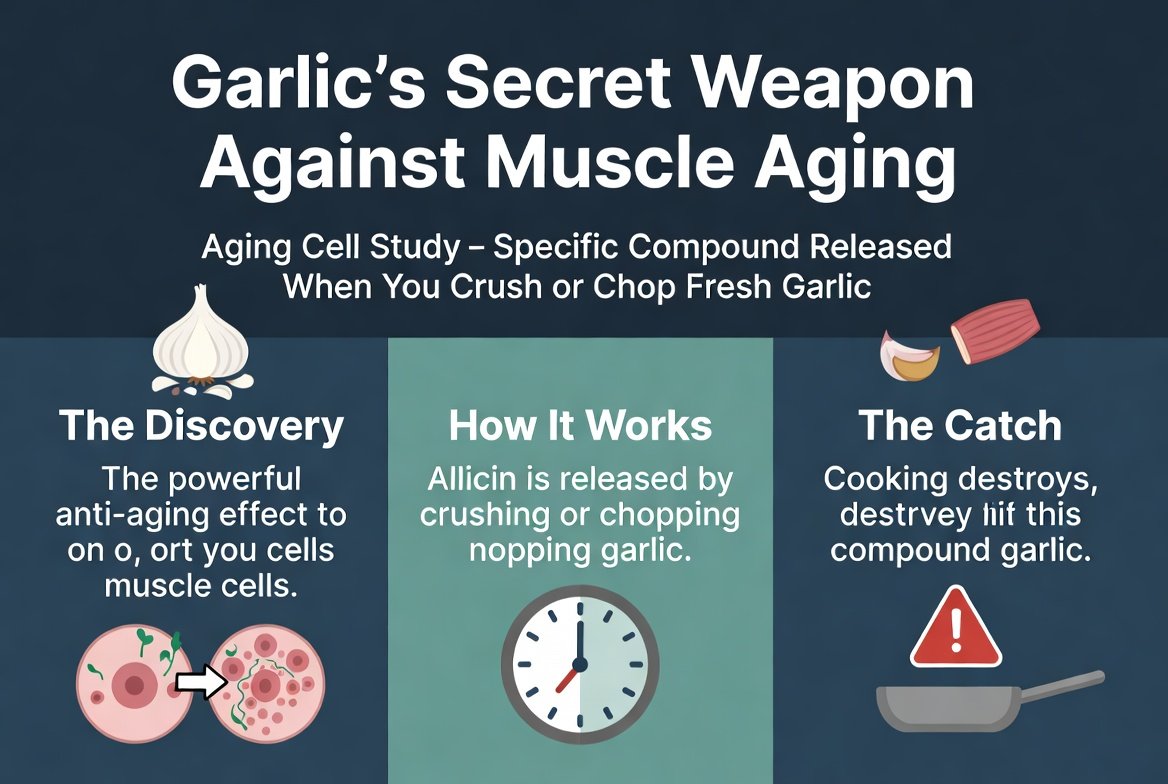
A new study published in Cell Metabolism identifies a specific compound in aged garlic, called S1PC, that improves muscle strength in older mice and r...
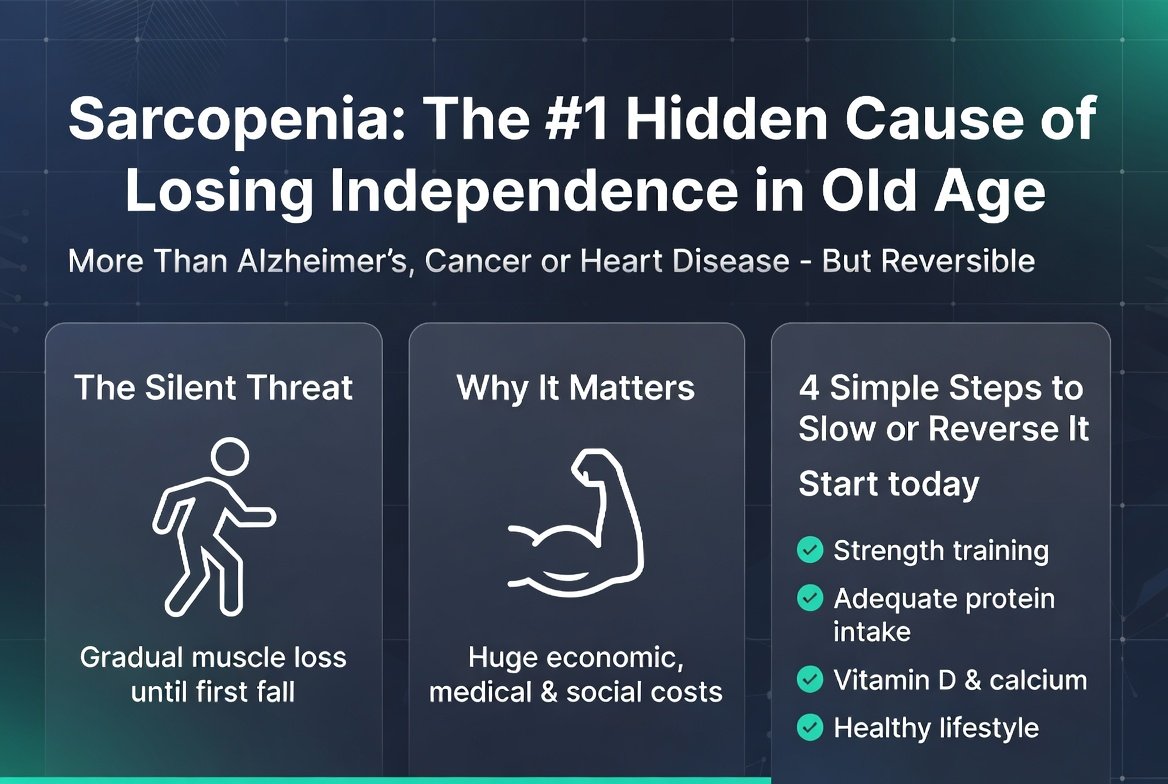
People worry about Alzheimer's, cancer, and heart disease. But the number one cause of loss of independence in old age is none of these. It's sarcopen...
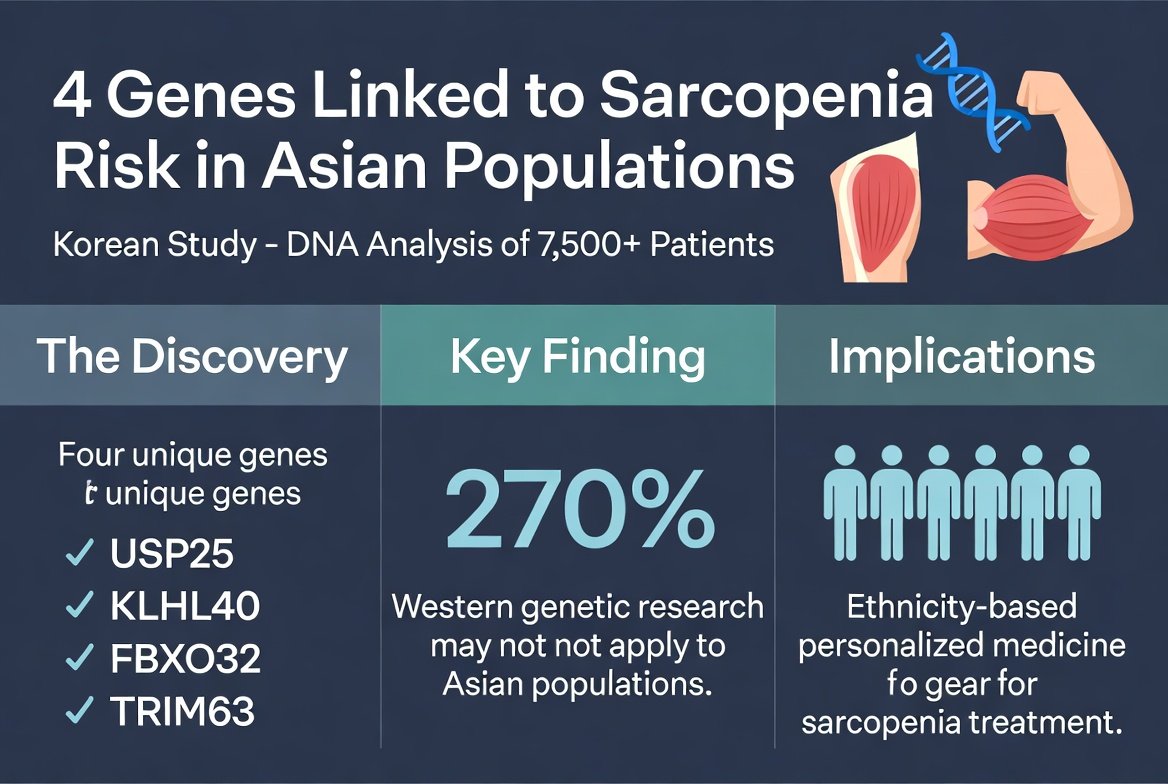
A large Korean GWAS study examined the genetics of sarcopenia (age-related muscle loss) in nearly 7,000 participants, identifying new genetic variants...
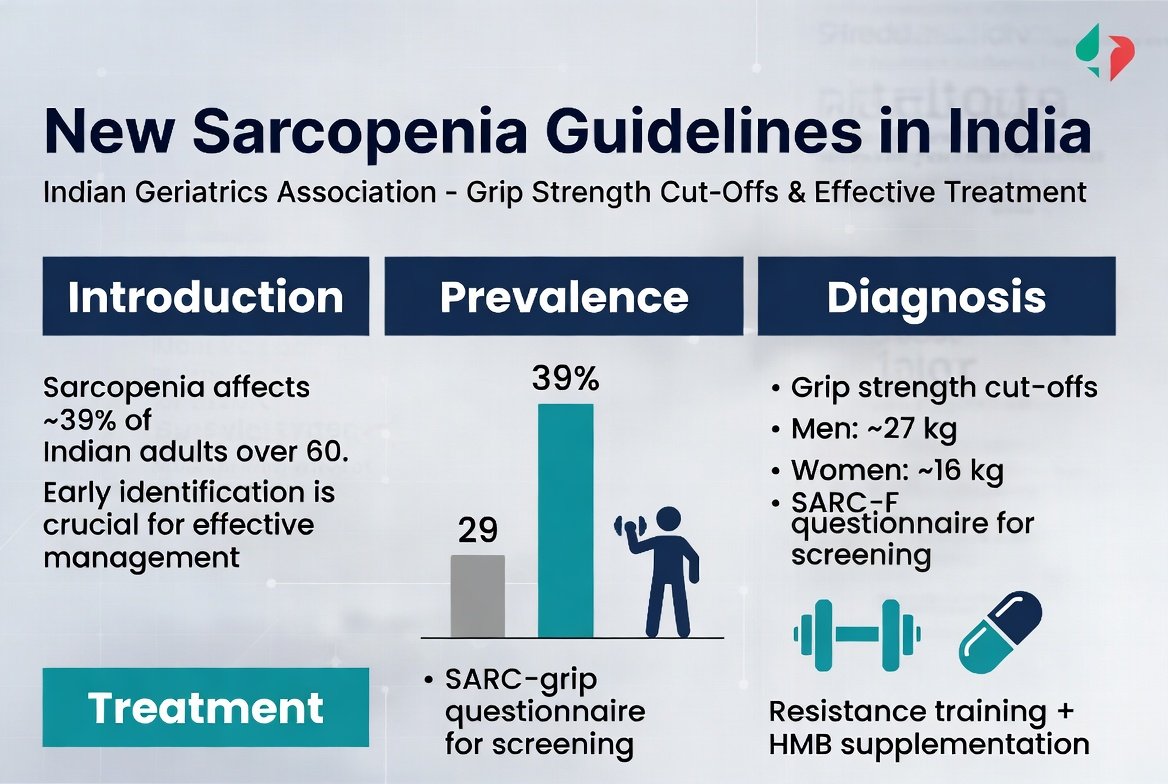
A quiet but massive problem: 39% of those 60+ in India suffer from significant muscle loss. Until 2025, there was no local consensus. Now, an Indian e...
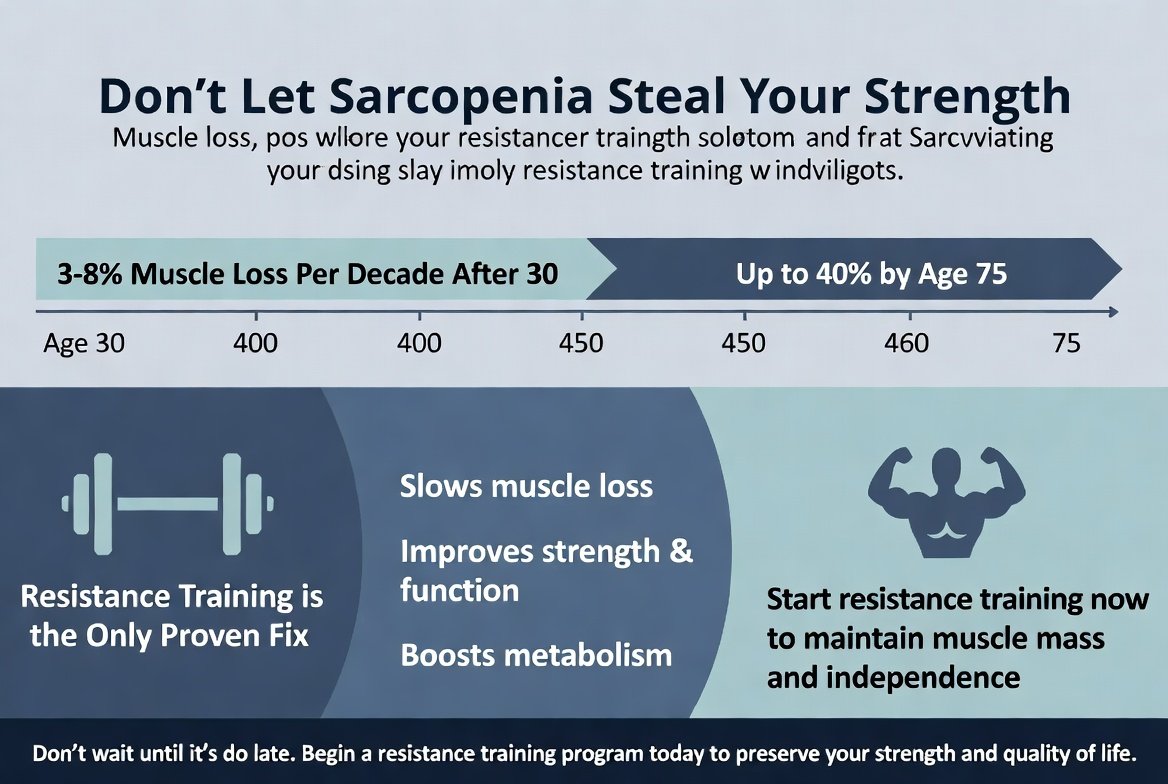
Muscle loss isn't just a problem for the elderly. It starts at age 30 and worsens over the years. The problem: most people are unaware. Once you start...
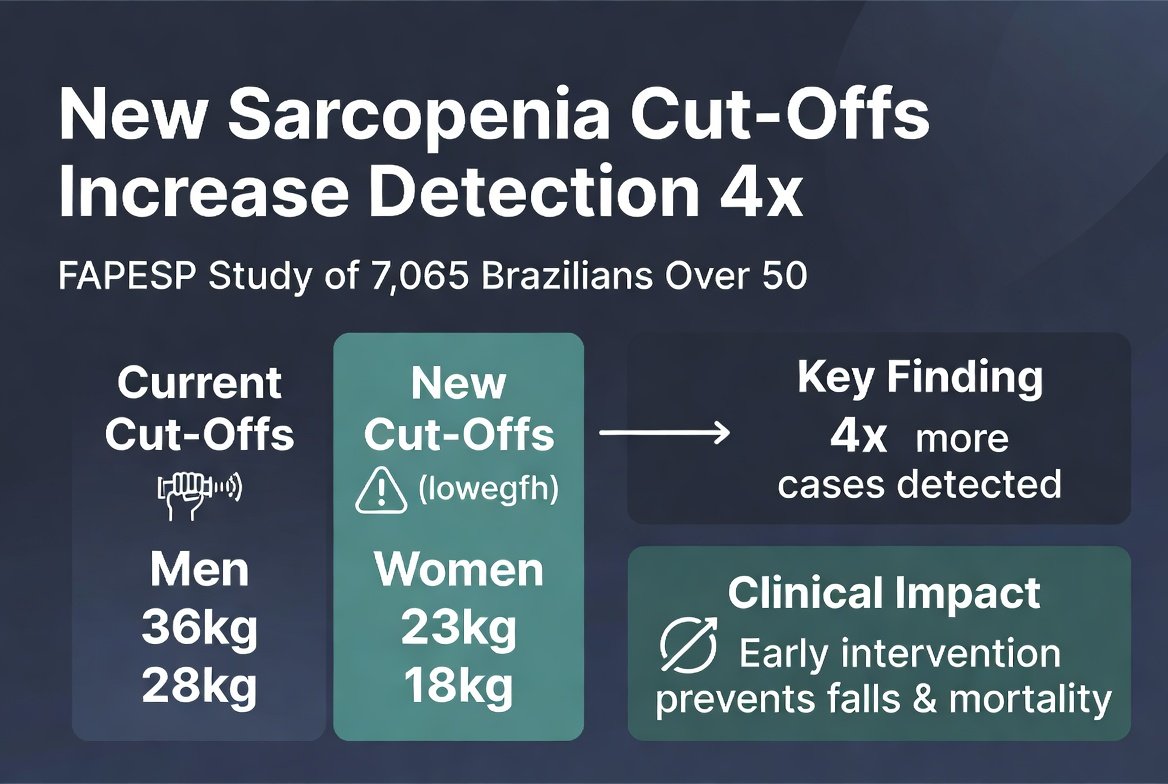
The standard criterion for diagnosing sarcopenia (muscle loss) misses a vast number of people at risk. A new Brazilian study suggests: raising the gri...
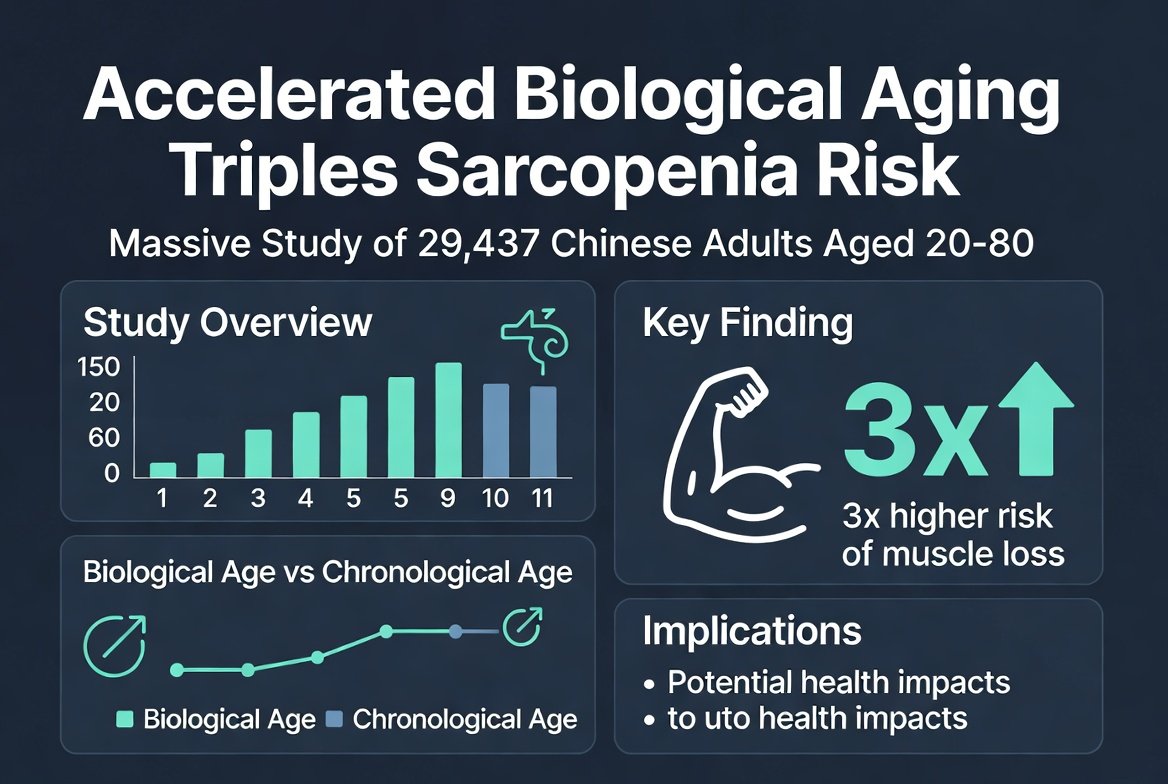
Biological aging is a concept everyone talks about, but few measure. A large cross-sectional study on 29,000 Chinese found that the gap between biolog...
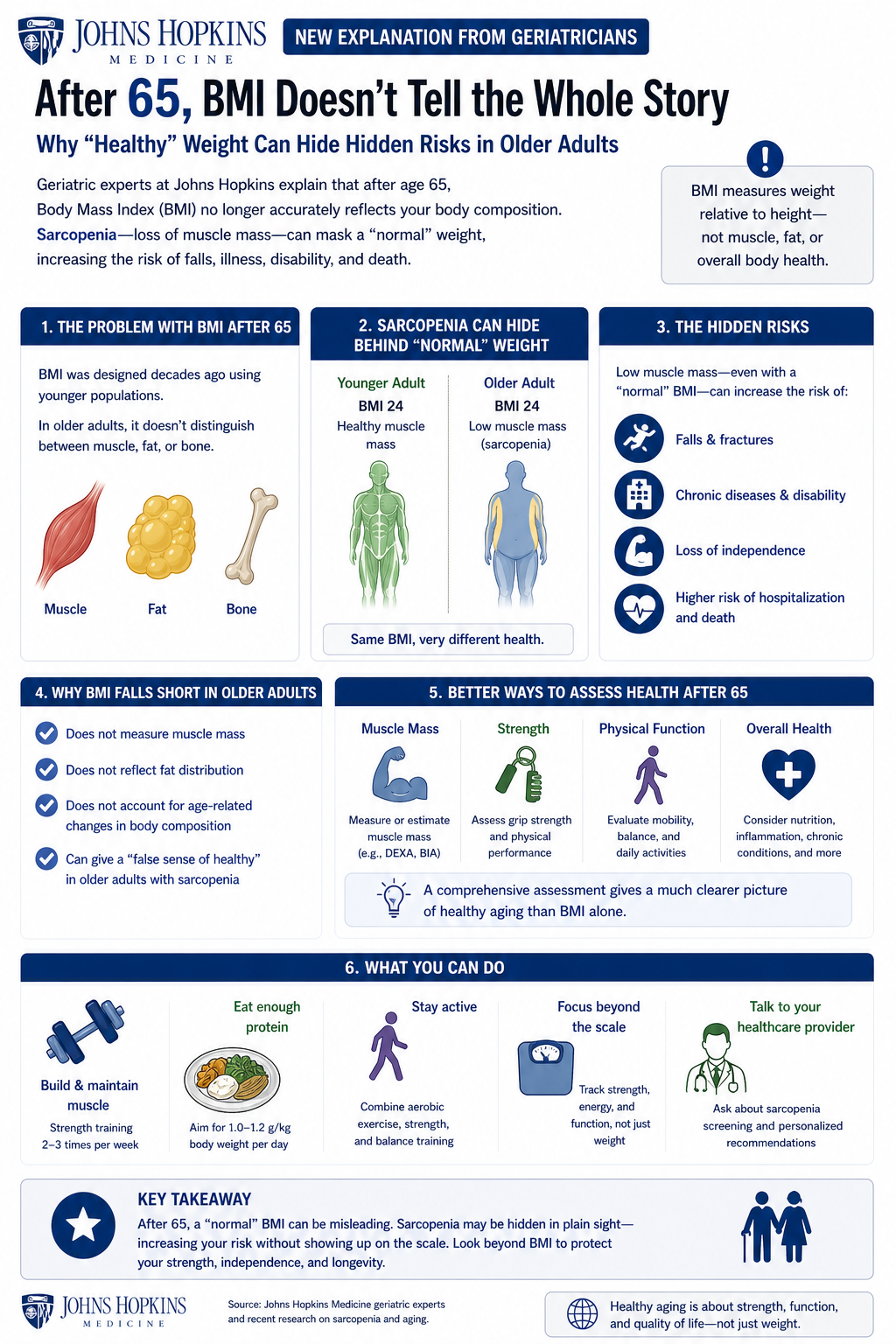
If your BMI is normal after age 65, it doesn't necessarily mean your weight is healthy. Geriatricians from Johns Hopkins explain why this standard met...
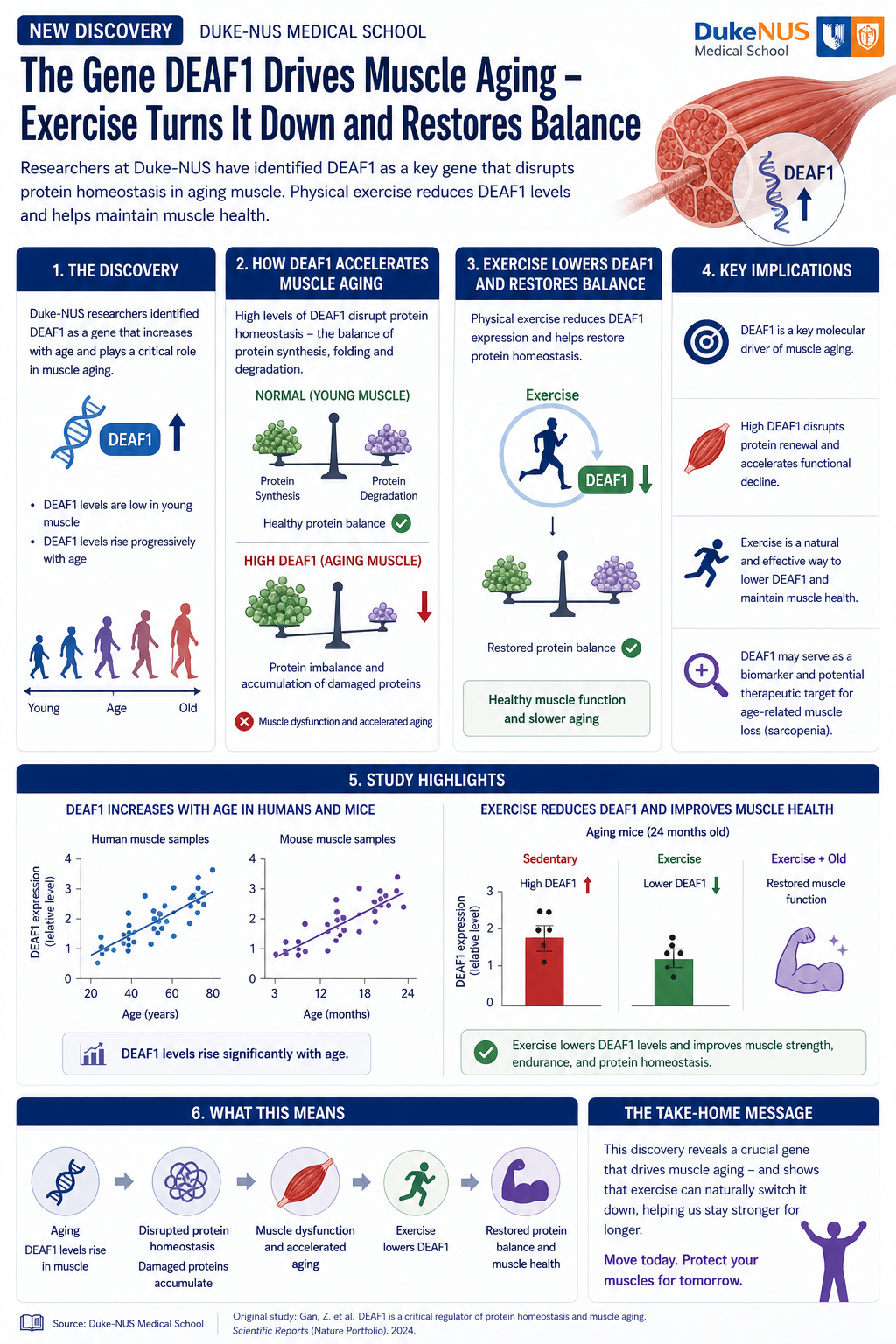
Why does exercise succeed in reversing muscle aging? Duke-NUS researchers identified the DEAF1 gene, suppressed by FOXO proteins, as a "molecular swit...
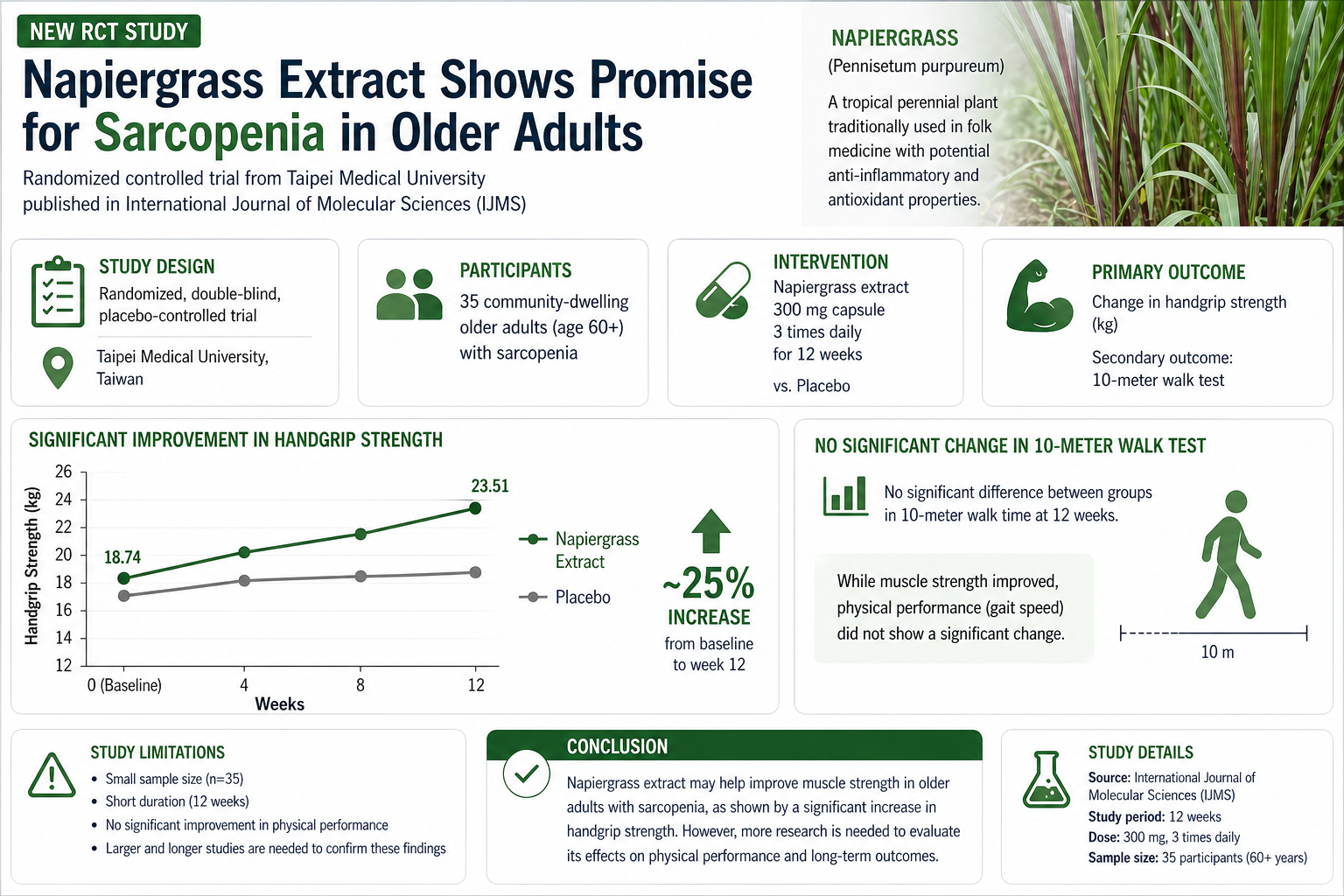
Elephant grass (Napiergrass), a plant grown in Taiwan and used as cattle feed, was tested as a supplement for sarcopenia. An RCT study showed a signif...
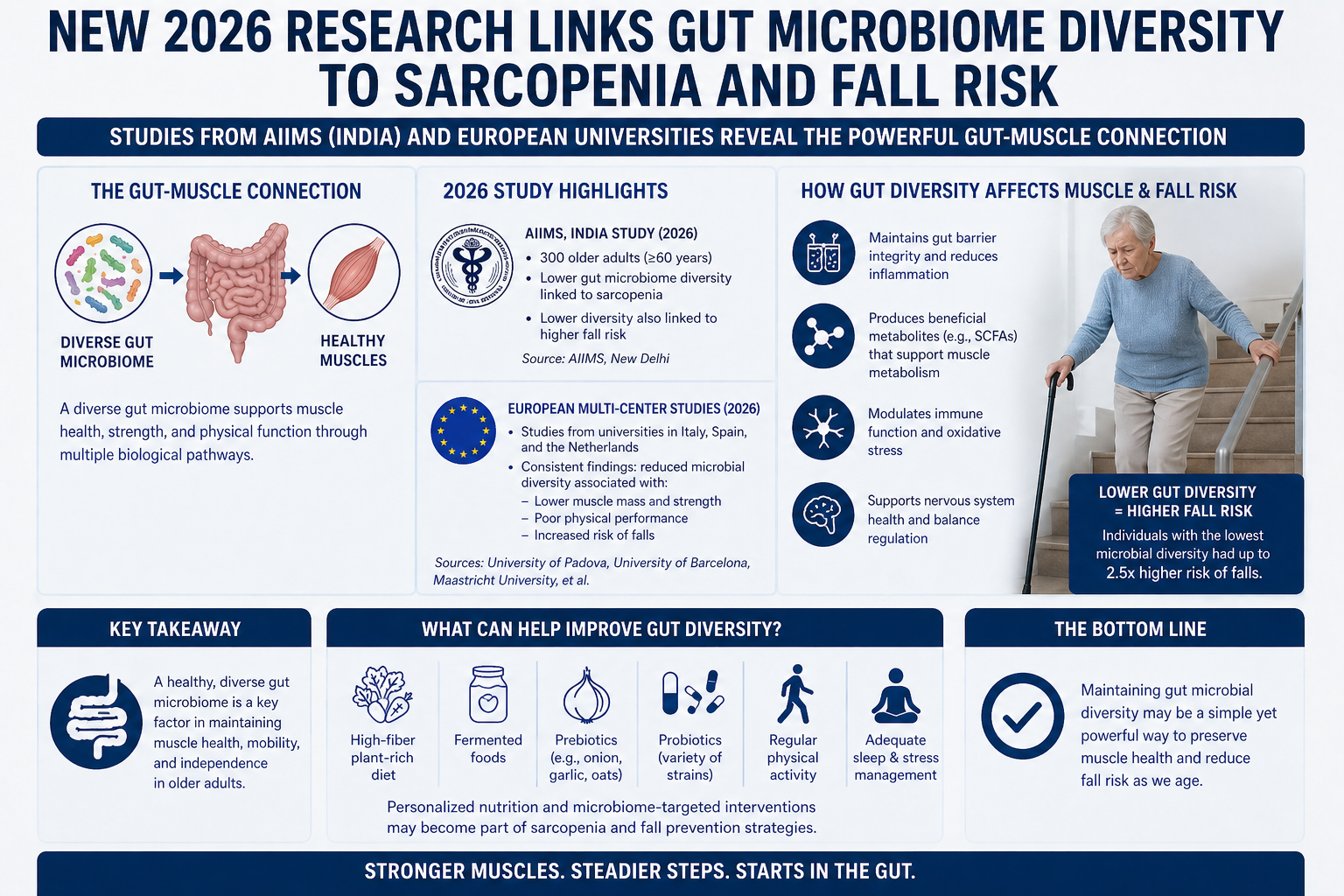
The link between the gut and muscles, the "gut-muscle axis," is becoming a hot topic in aging research. What you need to know to maintain strong muscl...
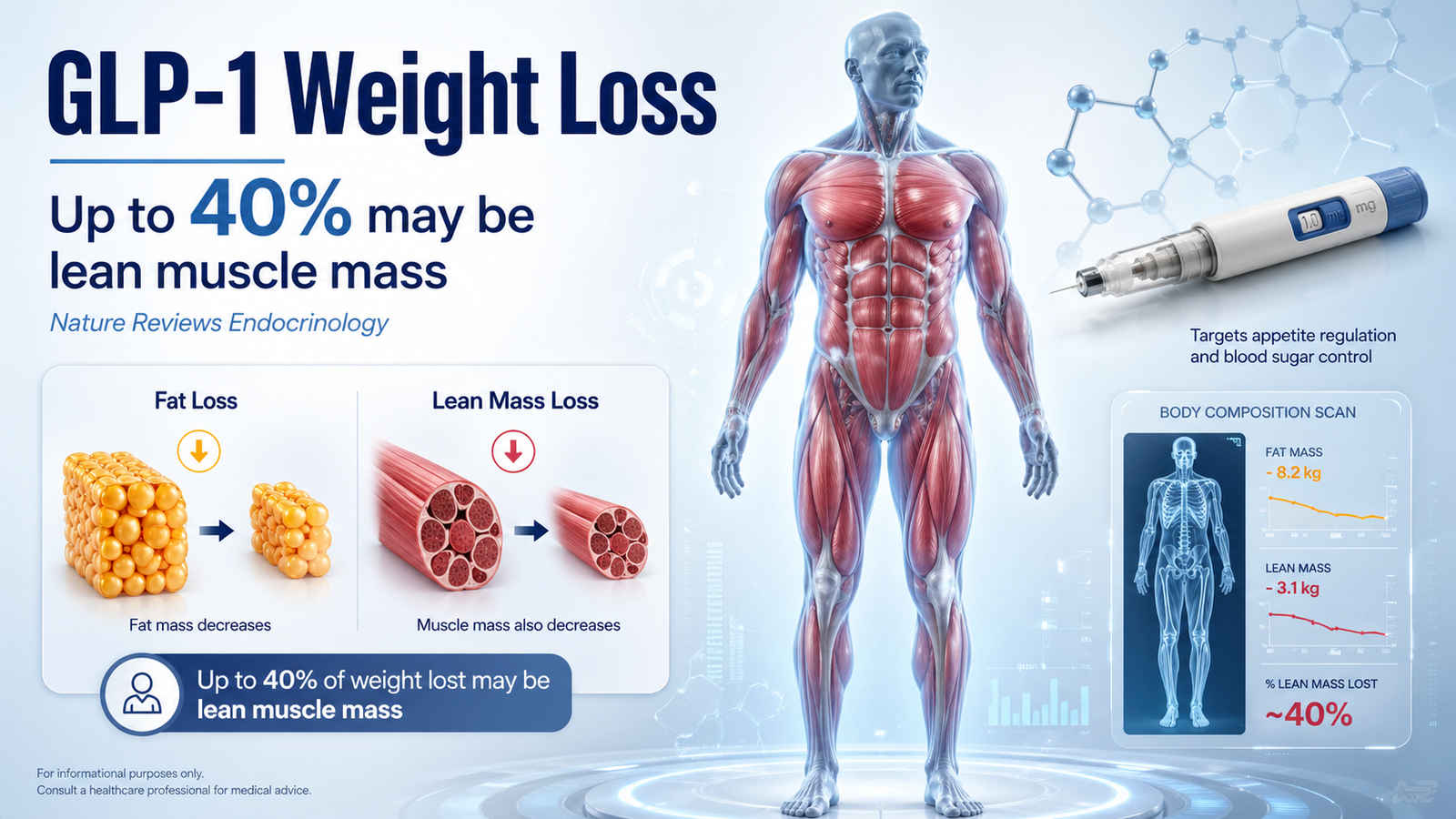
GLP-1 drugs also reduce lean mass, not just fat. We examined how much, whether this is unusual for the drug, and how to preserve muscle mass during we...
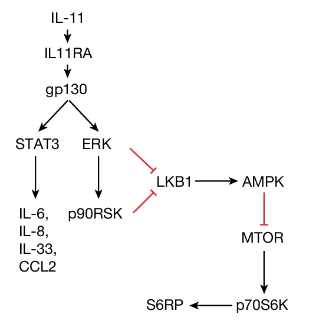
A new study published in the journal Nature found that inhibiting the protein IL-11 extended the lifespan of mice by about 25% and reduced age-related...
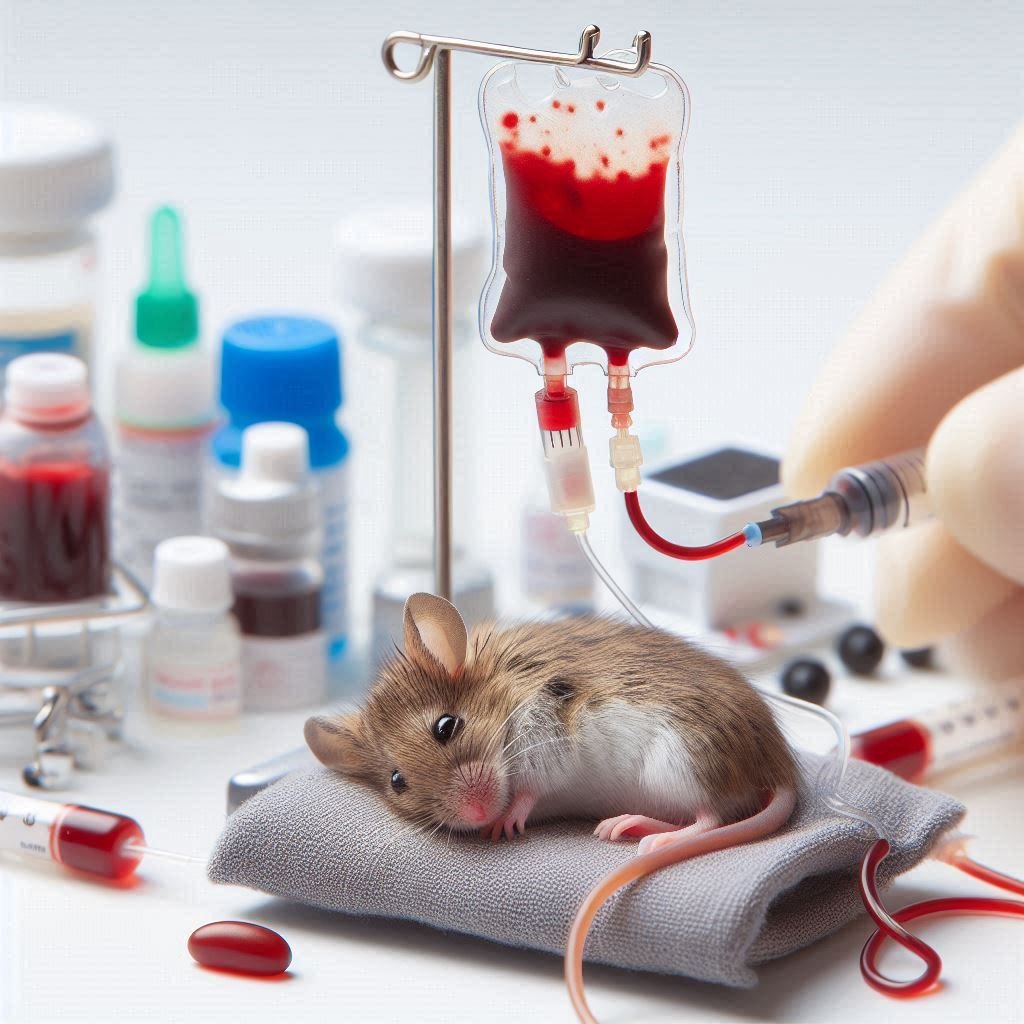
A new study suggests the possibility of slowing, and perhaps even reversing, the aging process. The study, published in the journal "Nature Ag...

https://www.youtube.com/watch?v=4qMrO8J8iB8

Estrogen-related receptor agonists as exercise mimics Physical activity is known to have many benefits for both body and mind. It strengthens the m...
Juvena Therapeutics received FDA Orphan Drug Designation for JUV-161, a candidate for treating Myotonic Dystrophy Type 1 (DM1). This is a development ...
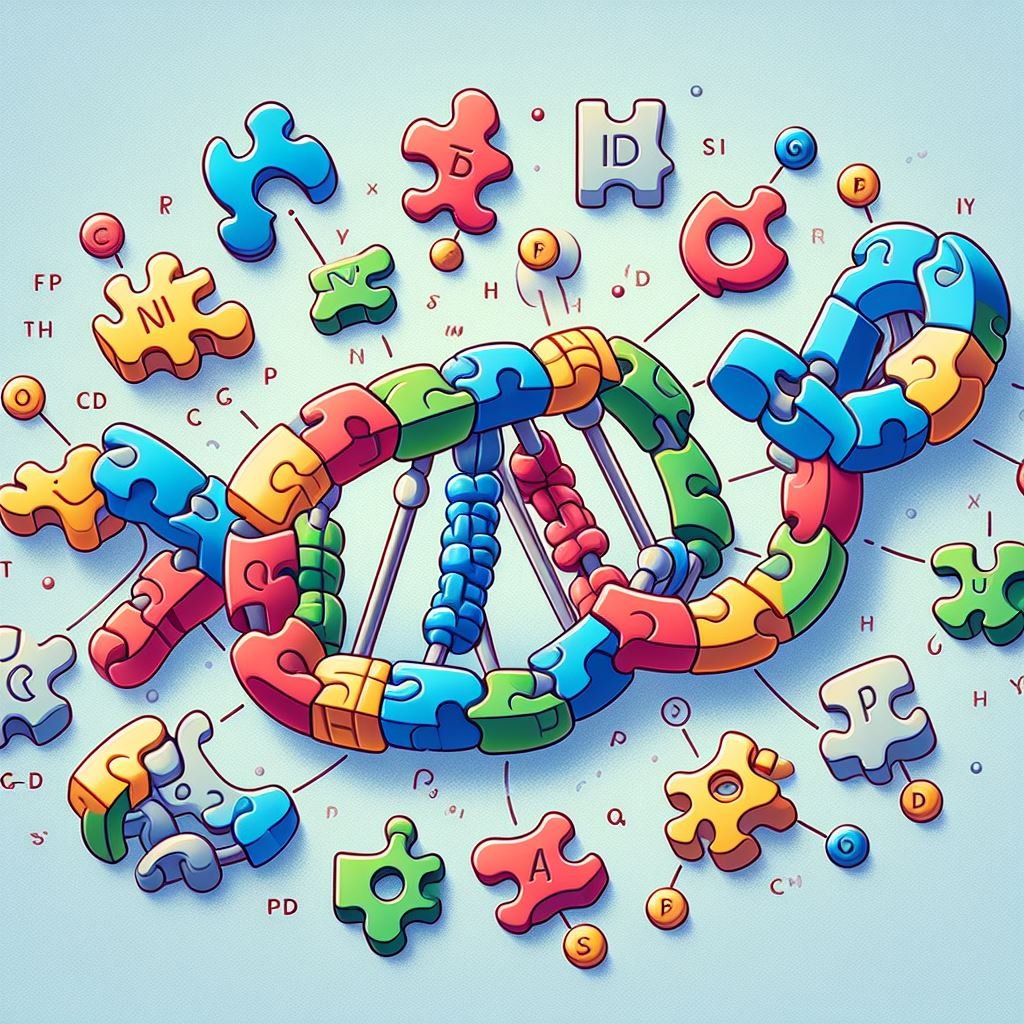
A common explanation claims that older adults lose muscle because the gut no longer absorbs amino acids. Research shows this is inaccurate: the absorp...
Singapore - With age, our muscles naturally tend to atrophy. This process, known as sarcopenia, can lead to frailty, falls, and loss of independence i...
To add: tap the share button at the bottom of the browser, then tap "Add to Home Screen".